Leadership and national development in Uganda are not solely the responsibility of government officials. Every citizen has a role to play in building a country where public resources are protected, government programs achieve their intended objectives, and households experience improved livelihoods. This is the significance of President Yoweri Kaguta Museveni's grassroots message, which emphasizes socio-economic transformation, accountability, mindset change, and the need to fight poverty.
The message, "Kisanja: No More Sleeping, No More Corruption," challenges government officials to deliver on their responsibilities and encourages every Ugandan to contribute to national development. Government officials must put service before self, work diligently, and ensure effective and efficient service delivery to citizens. Public office is a duty to serve, and government commitments must translate into tangible improvements in people's lives.
The responsibility for transformation extends beyond public institutions. Religious leaders, political parties, cultural leaders, civil society organizations, the private sector, and ordinary citizens all have a role in promoting accountability, productive work, wealth creation, and responsible citizenship. Every Ugandan, regardless of political affiliation, religious belief, or social background, should contribute to the country's progress.
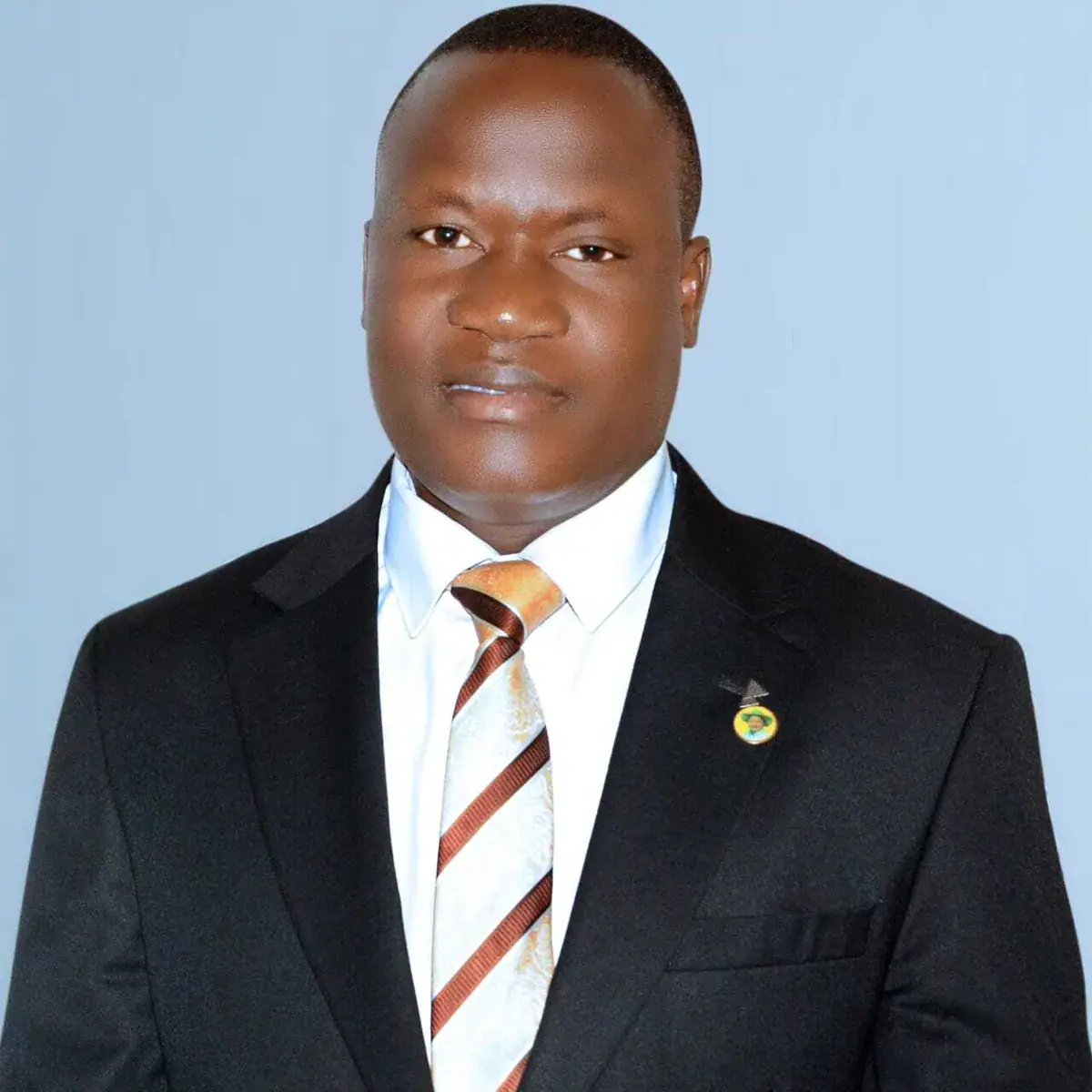
Deputy Resident City Commissioner for Soroti City West Division, Mr. Kyomya James, has witnessed the importance of community engagement in Barazas on government programs. These engagements provide a platform for citizens to share their experiences, raise concerns, and seek solutions, while allowing beneficiaries who have succeeded through government programs to share their stories and inspire others.
During these meetings, community members have shared experiences with various government programs, highlighting both achievements and challenges. Some concerns have been addressed, while others remain pending and require further attention. This approach has energized community members and strengthened their ownership of government programs, demonstrating that Barazas are an important way of bringing government closer to the people.
The Parish Development Model (PDM), health facilities, schools, roads, and agricultural programs require consistent supervision to ensure that resources reach their intended beneficiaries. Monitoring must go beyond writing reports and making occasional visits. It should identify weaknesses, establish responsibility, and ensure that corrective action follows. Allegations of corruption, extortion, and abuse of office must be investigated fairly.
If all Ugandans embrace President Museveni's message on socio-economic transformation, particularly the Ekibalo (mathematics) of fighting the enemy called poverty, Uganda can achieve improved livelihoods for its people. This requires mindset change, beginning with leaders and extending to the communities they serve. Every household must recognize the importance of productive economic activities, saving, investment, wealth creation, and the responsible use of available opportunities.
Key points
- Every Ugandan has a role to play in building a country where public resources are protected and government programs achieve their intended objectives.
- President Museveni's message emphasizes socio-economic transformation, accountability, and mindset change to fight poverty.
- Community engagement and active participation of citizens are crucial for Uganda's transformation.