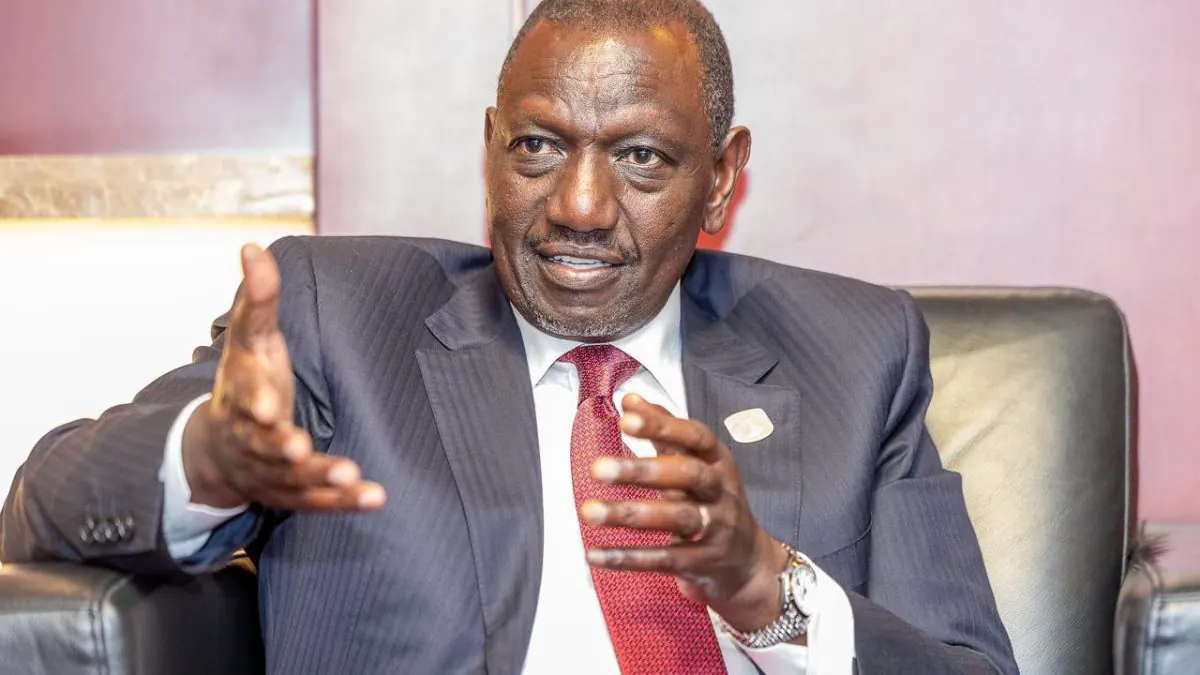
On September 22, 2026, President William Ruto addressed world leaders in New York at a High-Level Reflection on the Pact for the Future, convened by Namibia, Zambia, the African Union, and the United Nations Economic Commission for Africa. He emphasized that high debt servicing costs severely constrain national budgets and choke investment in critical public sectors. Ruto stated that affordable development financing is essential for unlocking economic opportunities for Africa's growing youth population.
President Ruto noted that African nations actively shaped the Pact for the Future adopted by world leaders in 2024, but multilateral institutions must now accelerate the translation of those commitments into concrete financial outcomes. He advocated for expanded credit guarantees, enhanced risk-sharing mechanisms, and structural adjustments to mitigate perceived sovereign risk premiums that artificially inflate borrowing rates for African nations.
To bridge the continent's development financing gap, President Ruto urged African governments to optimize internal tax administration and widen domestic resource mobilization to curb reliance on external commercial debt. He emphasized that money Africa can rightfully tax is money Africa need not borrow. This approach aims to reduce dependence on external debt and promote sustainable economic growth.
President Ruto's call for reforms aims to lower Africa's cost of capital, expand guarantees and risk-sharing instruments to unlock investment, and enable countries to mobilize more of their own resources. He highlighted that high debt costs are squeezing national budgets and limiting investment in jobs, education, health, and infrastructure. This has significant implications for Africa's economic development and youth employment.
The President's advocacy for reforms is crucial, given the significant youth population in Africa and the need for economic opportunities. He emphasized that for Africa, the test is clear: opportunities for young people and a fairer system for financing development. This requires a comprehensive approach that addresses the root causes of high debt costs and promotes sustainable economic growth.
President Ruto's speech at the High-Level Reflection on the Pact for the Future underscores the need for international cooperation to address Africa's development financing challenges. The Pact for the Future, adopted in 2024, aims to promote sustainable development and reduce poverty, but its implementation requires concrete financial commitments from multilateral institutions.
The Kenyan government's efforts to promote economic growth and reduce debt costs are critical for the country's development trajectory. President Ruto's call for reforms highlights the need for a more equitable international financial system that supports Africa's economic development and youth employment. The implementation of these reforms will require close collaboration between African governments, multilateral institutions, and other stakeholders.
Key points
- President Ruto calls for comprehensive international financial reforms to lower Africa's cost of capital.
- High debt servicing costs constrain national budgets and choke investment in critical public sectors.
- President Ruto advocates for expanded credit guarantees, enhanced risk-sharing mechanisms, and structural adjustments to mitigate perceived sovereign risk premiums.