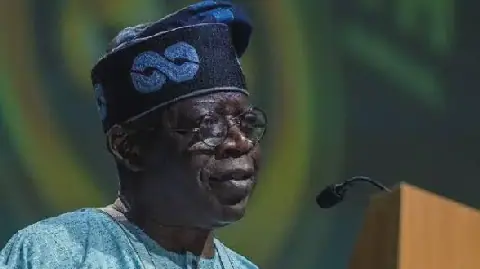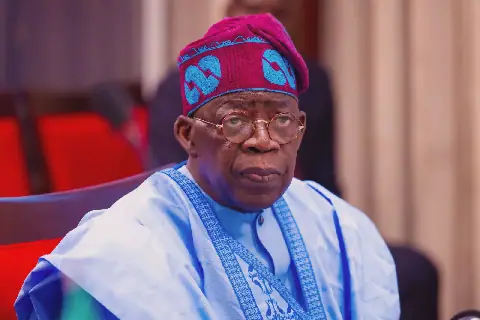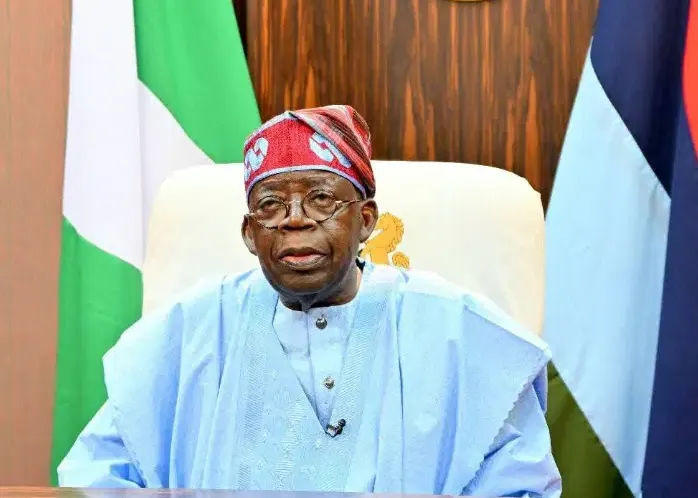
On October 1, 2026, President Bola Ahmed Tinubu delivered his Independence Day speech, marking 66 years since Nigeria gained independence. In his address, Tinubu reflected on the country's journey, acknowledging the difficulties and challenges faced, but also expressing optimism about the future. He emphasized that Nigeria's promise of a united, strong, and prosperous nation remains a work in progress.
Tinubu noted that Nigeria's journey to independence was not easy, with the country experiencing war, military rule, economic crises, insecurity, and political upheaval. Despite these challenges, the nation has endured, driven by the resilience and determination of its people. He highlighted the efforts of ordinary Nigerians, including farmers, traders, teachers, and young entrepreneurs, who continue to believe in the country's potential.
The President acknowledged that the promise of independence, which included freedom, opportunity, and a better life for all citizens, remains unfulfilled. He attributed this to poor choices and decisions made in the past, which led to deep economic distortions and rising poverty. By 2023, the country's situation had become critical, with hope in short supply.
Tinubu drew an analogy between Nigeria's situation and a patient diagnosed with cancer, who must choose between undergoing painful treatment or succumbing to the disease. He stated that previous administrations had opted for temporary solutions, rather than addressing the underlying issues. In contrast, his administration has chosen to confront the challenges head-on, implementing reforms aimed at correcting the country's course.
The President highlighted the progress made so far, citing a 4% economic growth rate, improved oil and non-oil sector performance, reduced oil theft, and lower inflation. He also noted that foreign reserves have been rebuilt, and the foreign exchange market has stabilized. Additionally, Nigeria recorded its highest revenue from non-oil exports in 2025, exceeding $6 billion.
Tinubu emphasized that the focus is now shifting from emergency treatment to achieving shared and widespread prosperity. He envisioned a Nigeria where farmers can cultivate their land safely, businesses can access credit, and young people can find productive work. The President outlined plans to reduce the cost of living by increasing mechanized irrigation, improving access to seeds and fertilizers, and investing in infrastructure.
The President's vision for Nigeria's future includes a focus on productive work, with plans to create an environment that fosters fair competition and encourages entrepreneurship. He emphasized that prosperity requires more than just cheaper goods; it requires opportunities for Nigerians to work and earn a decent living. With a renewed focus on development and economic growth, Tinubu expressed confidence that Nigeria can achieve its promise of a brighter future for all citizens.
Key points
- President Tinubu marks 66 years of independence with a speech outlining Nigeria's progress and vision for a prosperous future.
- The President highlights the country's challenges, including poverty and economic distortions, but expresses optimism about the future.
- Tinubu's administration has implemented reforms aimed at correcting Nigeria's course, with a focus on achieving shared and widespread prosperity.