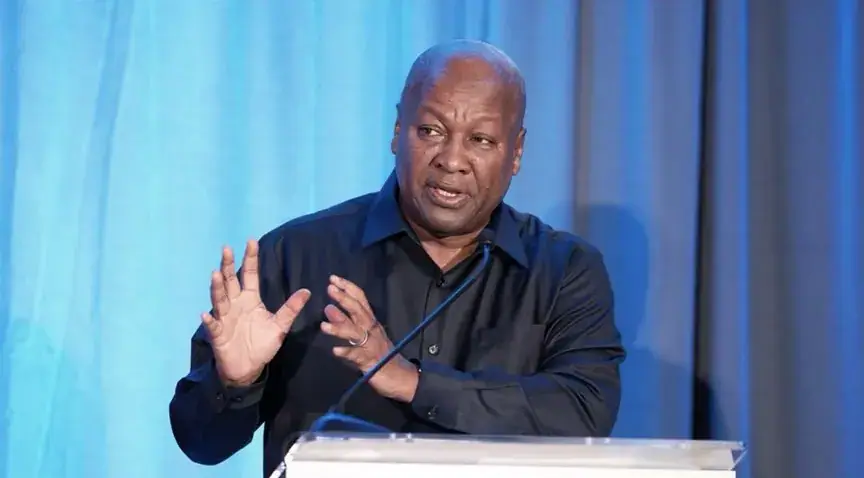
President John Dramani Mahama of Ghana has proposed a five-point framework for international discussions on reparatory justice for the Transatlantic Slave Trade atrocities. The proposals include a formal apology, coordinated international action against systemic racism and Afrophobia, targeted investments in critical sectors, restitution of stolen cultural heritage, and strategic development partnerships. This framework aims to address the enduring consequences of historical atrocities.
President Mahama's proposals were made in response to UK Prime Minister Andy Burnham's declaration acknowledging the horrific violations of human dignity associated with the transatlantic enslavement of Africans. Mahama emphasized that meaningful discussions on reparatory justice must go beyond acknowledging historical atrocities to include practical measures. A formal apology is considered an important first step towards confronting the historical injustices suffered by millions of Africans.
President Mahama advocated for a coordinated international commitment to dismantling systemic racism and Afrophobia, alongside targeted investments in education, science, youth empowerment, climate resilience, and healthcare. These investments aim to address the structural challenges confronting developing nations. The President also stressed the need for efforts to return stolen cultural heritage, describing it as an important component of the broader reparatory justice agenda.
The President called for strategic development partnerships to address structural poverty and reform inequitable global economic and debt arrangements that continue to constrain developing countries. He cited the Accra Reset and the Bridgetown Initiative as important frameworks for addressing some of the structural challenges confronting developing nations. These frameworks provide a foundation for international discussions on reparatory justice.
President Mahama referenced the Accra Next Steps Commitments, the CAROM Ten Point Plan, and the African Union's declarations on reparatory justice as providing a clear and principled foundation for international discussions. He expressed optimism that good-faith dialogue and the right political will could help Ghana and its international partners achieve a common objective of healing and repair.
President Mahama reaffirmed Ghana's commitment to working with the African Union, CAROM, the African diaspora, the United Kingdom, and other members of the global coalition to advance the reparatory justice agenda. This commitment aims to promote a collaborative approach to addressing the historical injustices of the Transatlantic Slave Trade. Ghana's role in promoting reparatory justice is seen as crucial in the region.
The proposals by President Mahama have sparked a renewed conversation on reparatory justice for the Transatlantic Slave Trade atrocities. As discussions continue, the international community is expected to engage in meaningful dialogue on practical measures to address the enduring consequences of historical atrocities. The outcome of these discussions will be crucial in determining the future of reparatory justice.
Key points
- President Mahama proposes a five-point framework for reparatory justice
- The framework includes a formal apology, coordinated international action, and targeted investments
- Ghana reaffirms commitment to advancing the reparatory justice agenda