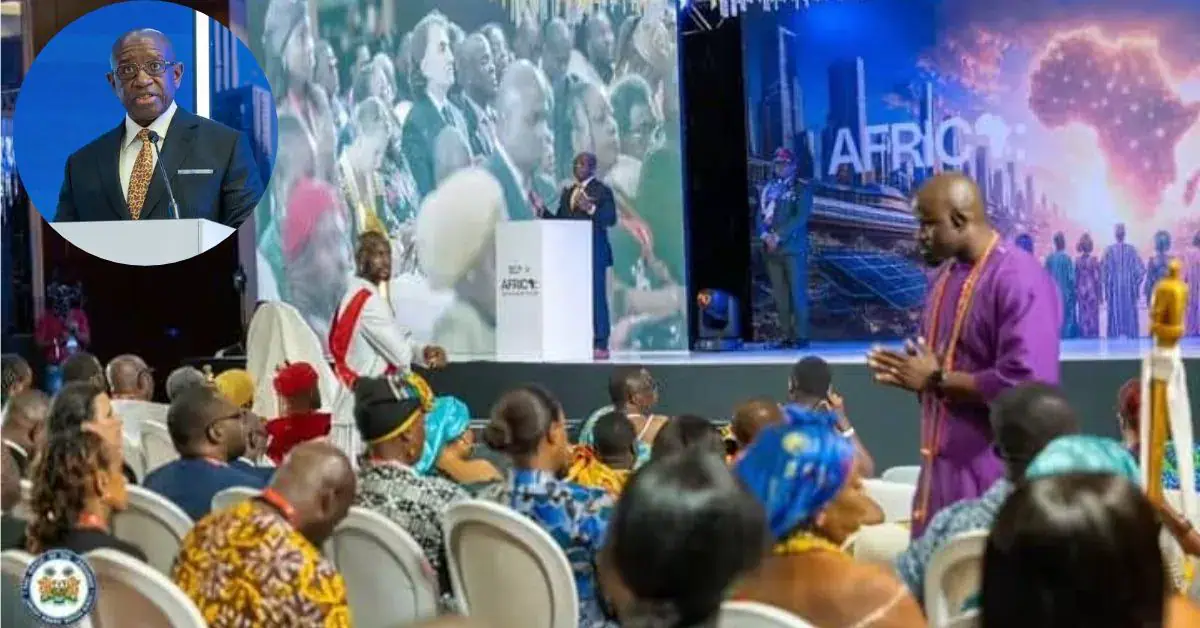
President Julius Maada Bio of Sierra Leone has emphasized the need for African countries to develop stronger industries, enhance regional trade, and utilize their natural resources to create jobs and wealth. Speaking at the Elevate Africa Convening 2026 in Accra, Ghana, Bio stated that political independence must be supported by economic self-reliance. He argued that the continent must shift from relying primarily on exporting raw materials and buying finished products from other parts of the world.
Bio highlighted that African nations require greater capacity to manufacture goods, process minerals and agricultural products, and negotiate international agreements that benefit their economies and citizens. He stressed that Africa's natural resources should support local industries instead of leaving countries dependent on foreign markets for finished goods. The president also noted that economic independence requires more than the right to make national decisions; countries must have the resources and institutions needed to put those decisions into practice.
The president cited Sierra Leone's development priorities, including the Free Quality School Education Programme launched in 2018, which aims to expand access to education regardless of a child's family income. He also mentioned the Feed Salone initiative, which seeks to strengthen agriculture and food security. Bio emphasized that improving domestic food production can help countries become more resilient when external disruptions affect supplies and prices.
Bio called for practical improvements in trade between African countries, stating that regional integration should make it easier for businesses to sell goods across borders. He cited the African Continental Free Trade Area (AfCFTA), a framework intended to expand trade among African countries, and said its benefits should be felt by traders, entrepreneurs, and businesses. The president used the example of a business in Freetown trading with customers in Accra, arguing that unnecessary barriers should not prevent companies from accessing markets elsewhere on the continent.
The president challenged participants at the Accra meeting to leave with clear commitments supported by funding, implementation plans, and accountability measures. He argued that Africa already has development plans and regional agreements but needs stronger action to turn them into results for ordinary people. Bio also called for greater accountability in public spending and urged governments to build institutions that can protect public resources and maintain development programmes beyond changes in political leadership.
Bio emphasized the importance of empowering young Africans to participate in decision-making and access education, jobs, innovation, and entrepreneurship. He stated that lasting development depends on peace, justice, dialogue, and respect for constitutional order. The president also recalled the influence of his late mother, Yei Amie, who instilled in him the importance of education, hard work, and integrity.
During the opening ceremony, First Lady Fatima Bio called for greater empowerment of women across Africa, arguing that the continent's progress depends on expanding opportunities for women. Bio concluded by urging African leaders, investors, and other influential figures to focus on decisions that deliver lasting benefits for citizens, including stronger industries, more employment, and institutions capable of sustaining development.
Key points
- President Bio calls for African countries to develop stronger industries and improve regional trade.
- Bio emphasizes the need for economic self-reliance and utilization of natural resources to create jobs and wealth.
- The president challenges participants to commit to funding, implementation plans, and accountability measures to turn development plans into results.