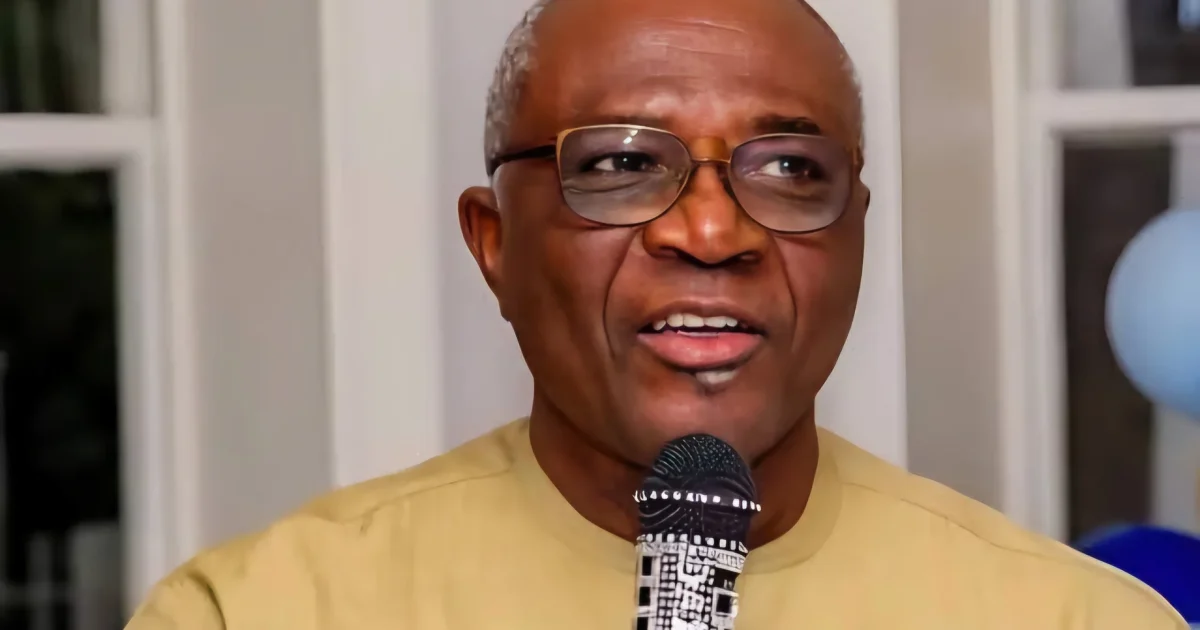
The Presidency of Nigeria has issued a warning against any attempt to reinstate the petrol subsidy regime, citing concerns that it could have a detrimental impact on the Nigerian National Petroleum Company Limited (NNPC). According to Bayo Onanuga, Special Adviser to President Bola Tinubu on Information and Strategy, the subsidy policy could undermine the financial and operational performance of NNPC. Onanuga highlighted NNPC's achievements in 2025, including a 22% increase in earnings before interest, taxes, depreciation, and amortization.
NNPC's financial performance in 2025 was marked by significant improvements, with earnings per share increasing by 32% to N35.9 and operating cash flow growing by 16% to N12.8 trillion. The company's return on equity also improved by 200 basis points to 16%, while its declared dividend increased by 35% to N5.8 trillion. These figures demonstrate NNPC's resilience and growth, according to Onanuga. The company's performance is an indicator of its potential for future growth and contribution to Nigeria's economy.
Crude oil and condensate production also saw a notable increase, averaging 1.77 million barrels per day in 2025, which is the highest level in five years. Natural gas output averaged 7.2 billion standard cubic feet per day, a three-year high. These production levels demonstrate NNPC's ability to optimize its resources and improve efficiency. The increase in production is a positive indicator for Nigeria's economy, which is heavily reliant on the oil and gas sector.
Onanuga's comments were made in response to former Vice President Atiku Abubakar's position on petrol subsidy. Atiku's suggestion that Nigeria should return to the subsidy regime was met with criticism from Onanuga, who argued that it would have a devastating impact on NNPC. He drew a comparison with Saudi Aramco, stating that NNPC could be Nigeria's own Aramco if it is allowed to operate without the burden of subsidy.
The subsidy regime has been a contentious issue in Nigeria, with proponents arguing that it is necessary to alleviate the suffering of citizens, while opponents claim that it is a drain on the economy. The current administration has maintained that it will not revisit the subsidy regime, citing the financial burden it places on the government. NNPC's performance in 2025 suggests that the company is capable of operating efficiently without the subsidy.
NNPC's December 2025 Monthly Report Summary revealed revenue of N60.517 trillion and a profit after tax of N5.76 trillion for the 2025 financial year. While some figures remain provisional and subject to reconciliation, the report demonstrates NNPC's ability to generate significant revenue and profit. The company's financial performance is a testament to its potential for growth and contribution to Nigeria's economy.
The warning from the Presidency against returning to fuel subsidy is a clear indication of the government's commitment to allowing NNPC to operate efficiently. The company's performance in 2025 demonstrates its potential for growth and contribution to Nigeria's economy. As the government continues to implement its economic policies, the focus will be on ensuring that NNPC remains a viable and sustainable entity.
Key points
- - The Nigerian Presidency warns that returning to fuel subsidy could undermine the Nigerian National Petroleum Company Limited. - NNPC's financial performance in 2025 showed significant improvements, with a 22% increase in earnings before interest, taxes, depreciation, and amortization. - Crude oil and condensate production averaged 1.77 million barrels per day in 2025, the highest level in five years.