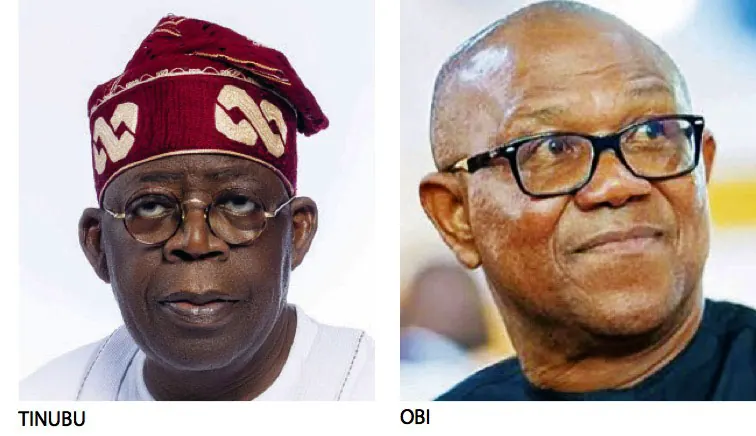
The Nigerian Presidency and the presidential candidate of the Nigerian Democratic Congress (NDC), Peter Obi, have disagreed over the emphasis of the 2027 political debate. The two spoke at the 22nd All Nigeria Editors Conference (ANEC) in Enugu, where they stressed the importance of an independent media and an electoral process in which votes would count. Obi demanded tougher scrutiny of leaders, while Senior Special Assistant to the President on Media and Special Duties, Chief Tunde Rahman, defended President Bola Tinubu's reforms and sought another term for him.
Obi urged Nigerian editors to reject name-calling, propaganda, and personality attacks, and instead ask politicians hard questions about their records, spending, and basic services. He emphasized that politicians seeking power should explain how they intend to tackle the problems confronting Nigerians, rather than diverting public attention with insults and personality attacks. Obi also expressed his willingness to personally answer questions about allegations concerning his own past.
Rahman, speaking for the Presidency, agreed on the need for fair media scrutiny but insisted that the government must also be given the opportunity to present its record and make the case for Tinubu's re-election. He argued that the media occupied a critical position in safeguarding democracy and that with the military back in the barracks, the ballot and the newsroom had become crucial to sustaining democratic rule.
Rahman emphasized that the power of the ballot lies in making every voter equal on election day, irrespective of social or economic status. He said that political actors and government had a responsibility to protect that power by ensuring that votes count and electoral institutions function effectively. Rahman also warned editors about the growing challenge posed by artificial intelligence, fake news, and deepfakes.
Obi challenged editors to interrogate Nigeria's performance against developments in other countries and ask why basic services and institutions that function elsewhere continue to pose major problems in the country. He used healthcare and public expenditure to illustrate the kind of scrutiny he said political leaders and their promises should face. Obi argued that public expenditure should not be judged merely by the amount spent, but by the impact on the lives of Nigerians.
Rahman added that the media should not become an appendage of any political party, but rather be pro-Nigeria, pro-ballot, and pro-people. He emphasized that if the ballot is free and the media is fair, democracy will not just survive in Nigeria, it will thrive. Rahman also urged editors to verify facts and give opposition and government equal space to be interrogated.
The clash between the Presidency and Obi highlights the complexities of Nigeria's democratic process and the role of the media in shaping public discourse. As the 2027 elections approach, both sides are positioning themselves for a campaign that will focus on governance, accountability, and the future of Nigeria. The Nigerian Guild of Editors (NGE) conference provided a platform for these debates, emphasizing the critical role of the media in sustaining democratic rule.
Key points
- The Nigerian Presidency and NDC candidate Peter Obi have differing views on the 2027 campaign focus.
- Obi is pushing for tougher scrutiny of leaders, while the Presidency is defending President Tinubu's reforms.
- The media is expected to play a critical role in shaping public discourse and ensuring a free and fair electoral process.