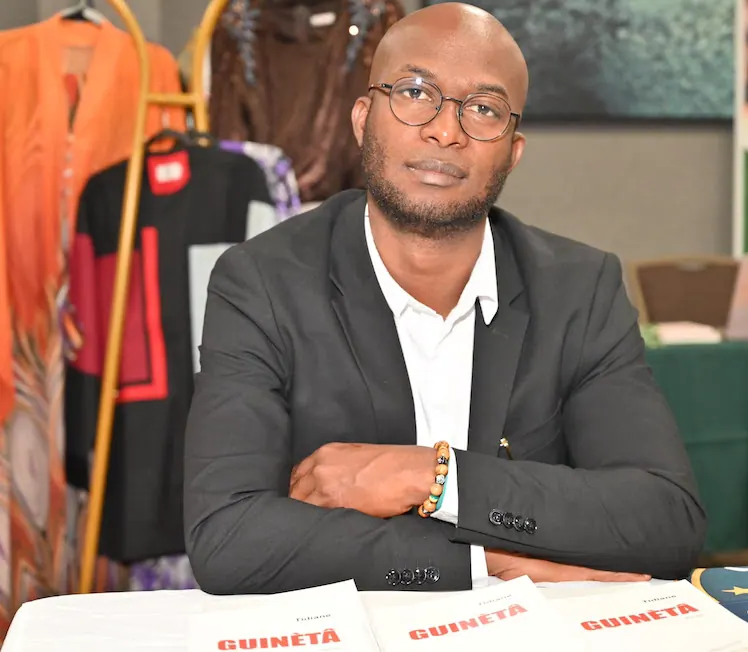
As Guinea celebrates 68 years of independence, author Tidiane Diallo is calling for a renewed focus on preserving the country's history and promoting a shared national memory. In his latest work, Diallo explores the importance of safeguarding Guinea's material heritage, supporting scientific research, and passing on a common foundation of references to future generations. This initiative builds on his previous literary and political endeavors, including his novel "Guinètâ", which was published in France on March 6, 2026.
The need for a unified national memory is pressing, as Guineans continue to inherit different and sometimes contradictory accounts of their country's history. These diverse narratives often fuel debates and divisions, making it challenging for the nation to move forward together. Diallo argues that a solid national memory must accommodate a plurality of testimonies while remaining grounded in facts. To achieve this, he suggests that historians, researchers, and scientists must work together to cross-reference sources, consult archives, and prioritize scientific investigation.
Several notable Guinean figures, including Mamadou Bowoï Barry, a journalist and former politician, and Madifing Diané, a former high-ranking security official, have shared their experiences and perspectives on the country's history. Their accounts are valuable, but they are not enough to establish a shared memory. Diallo proposes the creation of a committee comprising historians, teachers, and scientists to gather sources, collect living testimonies, and develop a common framework of references, particularly for school textbooks.
The current state of history education in Guinea is a concern, with many young people lacking access to accurate and comprehensive information about their country's past. Diallo questions whether school and university textbooks provide a clear understanding of Guinea's contemporary history, and whether they incorporate historical research, anthropological studies, and archival work. He emphasizes that a thorough understanding of the country's complex history is essential for building a shared national identity.
Preserving historical sites is also crucial for promoting a shared memory. However, Guinea still struggles to preserve its symbolic spaces, such as the Camp Boiro, which was a significant site during the country's turbulent past. Diallo suggests that the country can learn from other nations, such as Rwanda, which has successfully transformed sites of painful history into spaces for reflection, research, and education.
Commemorations, such as Guinea's national day on October 2, provide opportunities for reflection on the country's history and its significance. Diallo encourages Guineans to move beyond festive celebrations and engage in meaningful discussions about their shared past. He acknowledges the efforts of previous regimes, historians, and researchers but emphasizes the need for continued work on collective memory, particularly for the benefit of future generations.
Ultimately, Diallo's call to action is an invitation to Guineans to take collective responsibility for preserving their national heritage and promoting a shared memory. By working together to safeguard historical sites, support research, and develop a common framework of references, the country can build a more unified and informed national identity. As Guinea looks to the future, it is essential that its people prioritize the preservation of their history and the promotion of a shared memory.
Key points
- The need for a unified national memory in Guinea
- Preserving historical sites and promoting a shared memory
- Encouraging collective responsibility for preserving national heritage