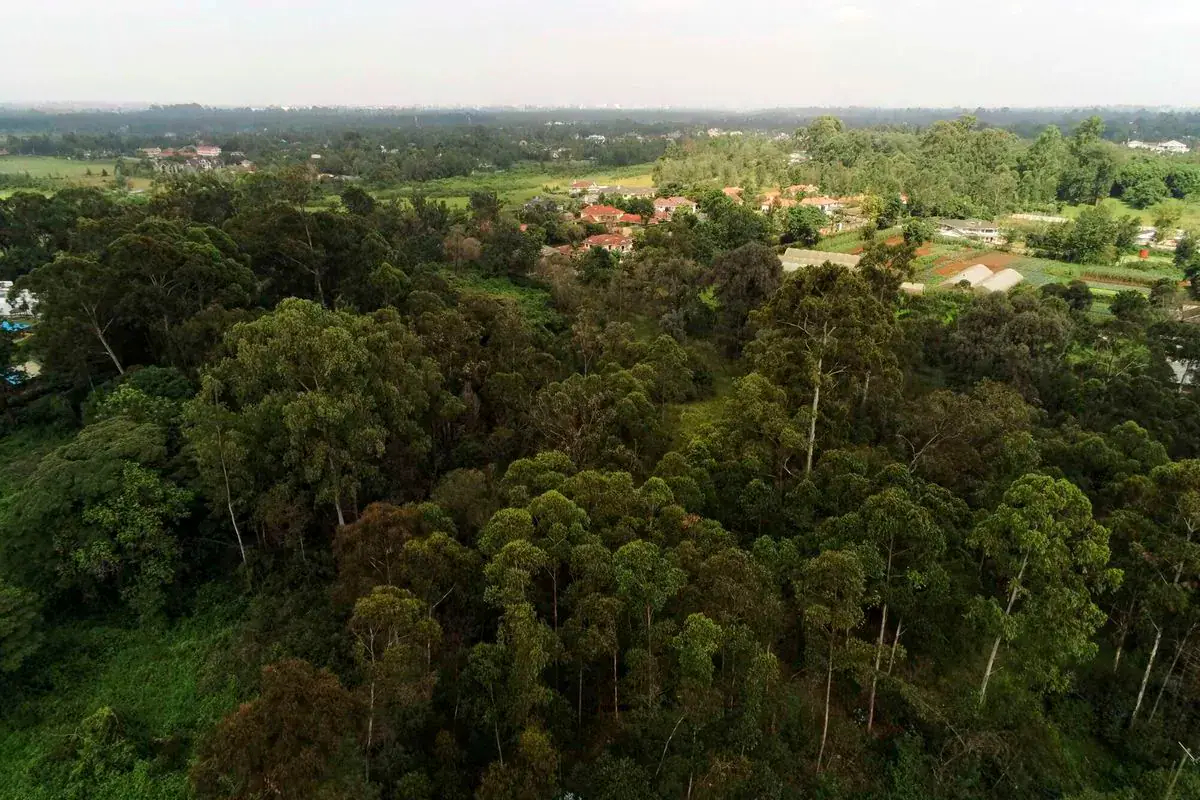
The Kenyan government's intentions to excise part of Ngong forest have reignited a contentious debate. In 2020, then Environment Cabinet Secretary Keriako Tobiko announced plans to revert land on which some Lang'ata residential estates stood to forest, dismissing assertions from affected residents that they held ownership documents. The move was expected to connect the forest to the Nairobi National Park.
The residential estates targeted included Sun Valley, KMA, Lang'ata Gardens, Lang'ata View, Royal Park, Shalom, and Forest Edge View. St Mary's Hospital and some public institutions were also said to stand on the targeted land. A visit to the zone revealed extensive and pristine developments, complete with paved access roads, water, and power. Commercial enterprises thrive in the area, raising questions about the feasibility of the government's plans.
Public debate intensified, and the targeted residents petitioned Parliament. The matter became protracted and gradually cooled off. However, in July 2026, the State Department of Forestry advised the affected residents on the next steps, citing previous proceedings of the National Assembly. The procedure for varying forest boundaries requires a formal petition to Parliament, accompanied by an environmental impact assessment report.
A public participation forum was organized in Lang'ata in mid-October, which endorsed a variation of the Ngong forest boundary to accommodate the affected developments. If approved by Parliament, this will inform the degazettement of 34 acres of the forest. The issue remains contentious, given Kenya's quest for conservation. The estates have been part of Nairobi's residential ecosystem for decades and will not be easily wished away.
The writer, a licensed surveyor and consultant on land governance, argues that pragmatism should inform subsequent decisions by the State and Parliament. The estates have been in existence for decades, and their residents have legitimate interests that must be considered. A balance between conservation and development interests is necessary to find a solution to the dilemma.
The government's actions have raised questions about the accountability of State officials responsible for the commissions and omissions leading to this dilemma. The writer believes that these officials stand strongly indicted and should face commensurate sanctions. This will set a good precedent for future decision-making.
The Ngong forest excision issue highlights the challenges of balancing conservation and development interests in Kenya. The government's plans have sparked debate, and pragmatism is being urged in decision-making. The outcome will have implications for the country's conservation efforts and the interests of the affected residents.
Key points
- The Kenyan government plans to excise 34 acres of Ngong forest to accommodate residential estates that have existed for decades.
- A public participation forum endorsed a variation of the Ngong forest boundary to accommodate the affected developments.
- Pragmatism is being urged in decision-making to balance conservation and development interests.