The Democratic Republic of Congo is experiencing a significant decrease in its power supply, particularly in Kinshasa. According to Le Potentiel, the capacity of the Société Nationale d'Électricité (SNEL) has dropped from 700 megawatts to between 390 and 450 megawatts. This reduction has raised concerns about the reliability of the power supply in the capital city. The decline is attributed to various factors, including low water levels in the Inkisi River and the Congo River, as well as technical issues with the G25 group at Inga.
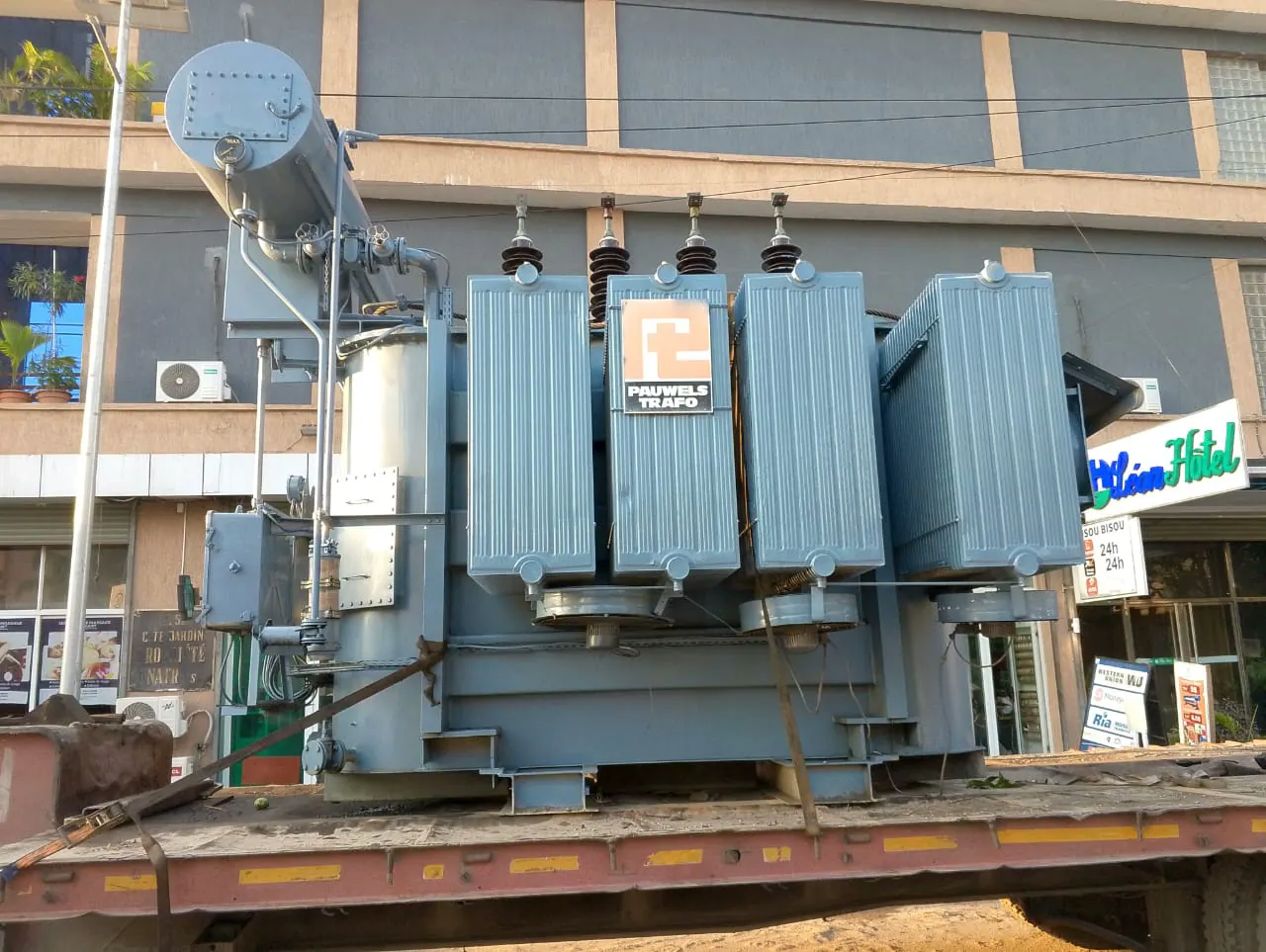
During a press conference, SNEL's Director General, Teddy Lwamba, explained that the current situation is a result of both seasonal and structural issues. He emphasized that the country's energy needs are estimated to be around 5,800 megawatts. Lwamba also mentioned that the sector requires government subsidies to operate effectively. In an effort to improve the situation, a 75 MVA transformer was installed in Makala, and 193 megawatts were recovered from the G25 group.
To address the power deficit, the government has turned to alternative solutions. According to the Agence Congolaise de Presse (ACP) and Le Quotidien, a Turkish company, Karpowership, is set to deliver a 134-megawatt floating power plant to Matadi. This temporary measure aims to alleviate the pressure on the power grid. However, some publications have expressed concerns about the cost-effectiveness of this solution.
The decision to opt for a floating power plant has been met with skepticism by some media outlets. Congo Nouveau describes the measure as a costly emergency solution. The publication also notes that the initial contract, signed in 2022, was for 200 megawatts, but this has been reduced. The country's financial constraints, particularly in terms of foreign currency, have impacted the implementation of the project.
The power shortage has significant implications for the country's economy and daily life. According to Infos 27.cd, the Réseau Mwangaza has expressed concerns about the impact of the power losses on households and small and medium-sized enterprises (SMEs). The organization is calling for an emergency plan to address the situation and suggests that public buildings, which consume over 300 megawatts, should be made energy-independent.
The challenges facing the power sector in the DRC are not unique. Congo Nouveau reports that Karpowership has faced similar issues in other countries, including Gambia, Senegal, and Gabon. The publication also notes that the country's transmission network losses are estimated to be around 30%, which will reduce the available power by 40.5 megawatts.
The situation highlights the need for a long-term solution to the country's power supply challenges. The government and SNEL must work together to address the structural issues affecting the sector. This includes investing in infrastructure and exploring alternative energy sources to meet the country's growing energy needs. The implementation of a sustainable plan will be crucial to ensuring a reliable power supply for Kinshasa and the rest of the country.
Key points
- The DRC's power supply has decreased significantly due to reduced capacity at SNEL.
- The government has turned to alternative solutions, including a 134-megawatt floating power plant from Karpowership.
- The power shortage has significant implications for the country's economy and daily life, with concerns raised about the impact on households and SMEs.