The Portuguese government has announced plans to accelerate its maritime strategy with a significant investment of €814 million by 2030. This initiative, part of the "Plano Portugal Mais," aims to enhance the country's economic development while promoting environmental protection and sustainability. The strategy involves 143 measures across six key areas: a more protected, competitive, financed, intelligent, inclusive, and sovereign maritime sector.
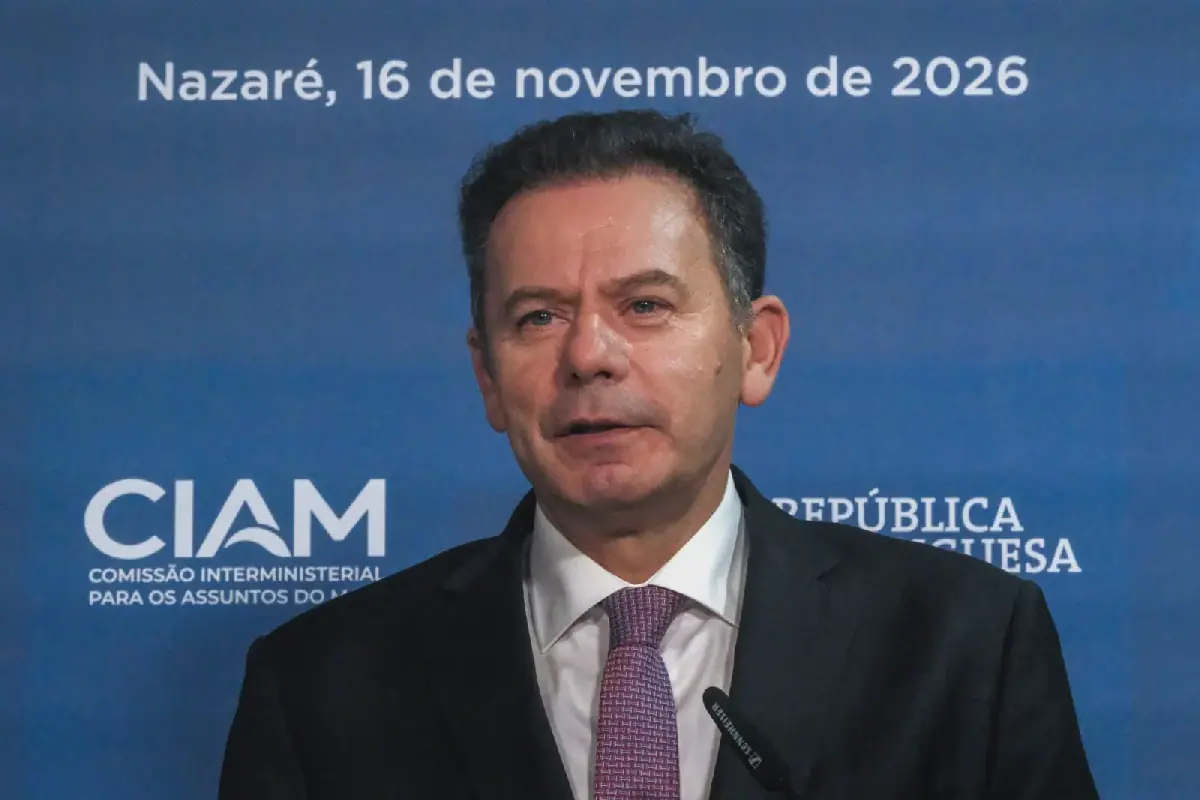
The decision was made during a meeting of the Interministerial Commission for Maritime Affairs, which had not convened since 2015. Prime Minister Luis Montenegro emphasized the need for a "point of turn" in the government's strategy, ensuring the execution of previously outlined measures. He highlighted the potential of the maritime sector, which has not been fully exploited, to achieve greater food autonomy, independence, and resource utilization.
The new strategy includes the creation of a Consultative Council with 29 entities from civil society, which will be integrated into the Interministerial Commission. This move aims to foster collaboration between the government and various stakeholders. The council will provide guidance on the implementation of the maritime strategy, ensuring a more inclusive and participatory approach.
The government's plan focuses on developing traditional sectors such as fishing and tourism, while exploring new opportunities in areas like energy transition and biotechnology. The strategy also prioritizes environmental protection, biodiversity conservation, and sustainability. A new marine reserve, the "Reserva Marinha Rei D. Carlos," will be established as part of this initiative.
To support the development of the maritime sector, the government has launched a €20 million concurso for research and innovation, funded by the EEA Grants. This initiative aims to promote the renewal of the fishing fleet and attract young people to the sector through remunerated internships on fishing vessels.
The government also plans to simplify regulatory frameworks and combat bureaucracy, with a review of the legal frameworks for recreational navigation and aquaculture scheduled for 2027. Additionally, the strategy involves a significant investment in submarine cable systems, exceeding €190 million.
The implementation of the maritime strategy is expected to have a positive impact on Portugal's economy and environment. The government has committed to executing the measures outlined in the plan, with the goal of achieving greater autonomy, independence, and sustainability in the maritime sector. Key stakeholders, including the minister of Agriculture and the Sea, José Manuel Fernandes, will oversee the implementation of the strategy.
Key points
- The Portuguese government invests €814 million to accelerate its maritime strategy, focusing on sustainable development and environmental protection.
Reporting sources
- Montenegro quer acelerar estratégia do mar com investimento de 814 milhões de euros · RecordTV Cabo Verde