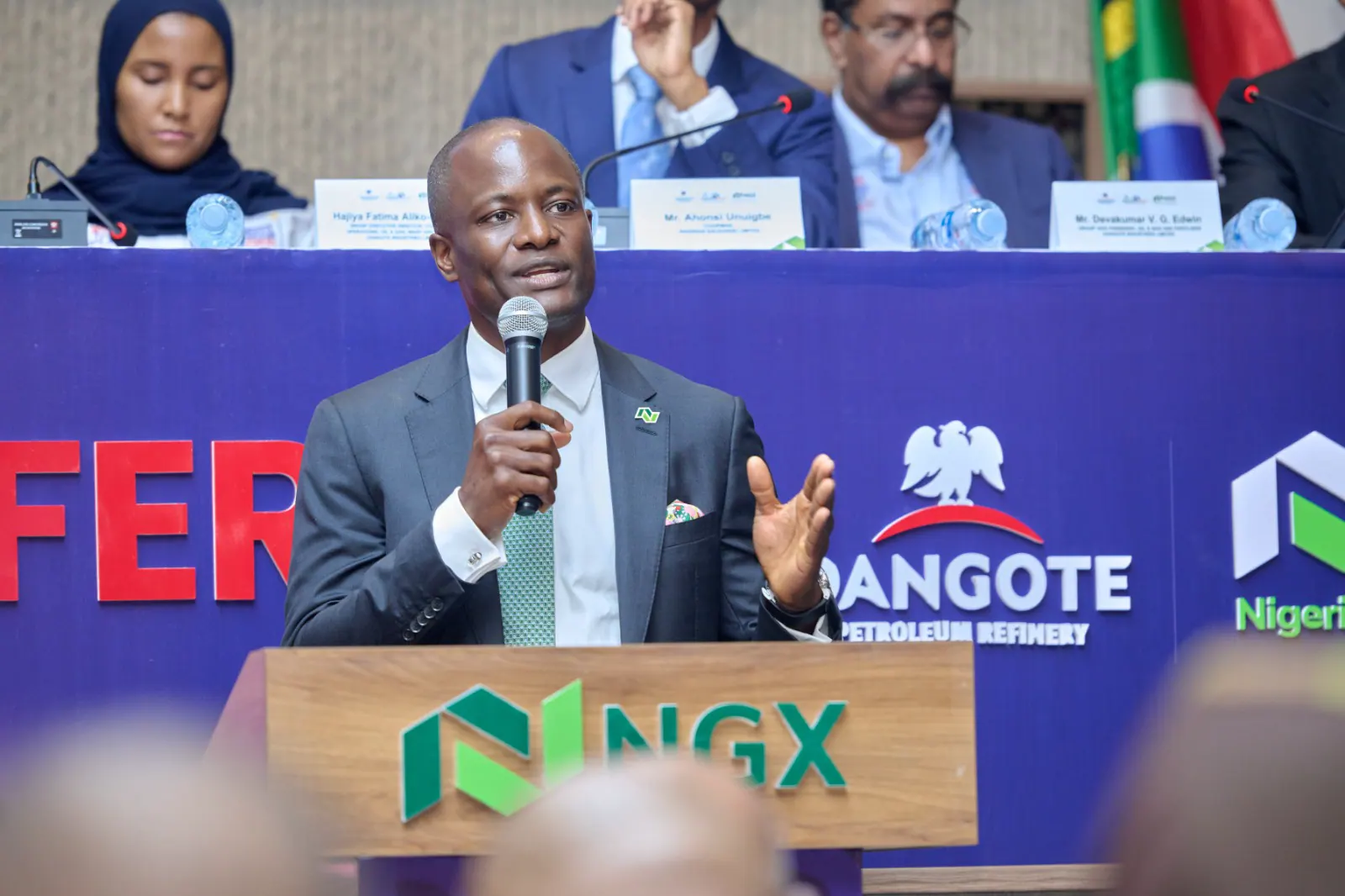
The Managing Director and CEO of NGX Group plc, Temi Popoola, has identified a significant opportunity to connect Africa's pools of capital more effectively with businesses across the continent. This can be achieved by building on existing market infrastructure and regional linkages. Popoola believes that Africa's next capital-market opportunity may not solely rely on attracting external funding but also on utilizing the capital already within the continent. Africa has significant pools of savings managed by pension funds, asset managers, financial institutions, and individual investors.
These pools of capital can be leveraged to provide long-term funding for businesses across the continent. However, the current capital markets in Africa are largely organized along national lines, making it challenging for investors to access opportunities beyond their home markets. Different regulatory frameworks, currencies, settlement systems, disclosure requirements, and distribution channels create barriers for investors and companies seeking to access capital across borders. Popoola emphasizes that addressing these barriers is crucial for the evolution of African capital markets.
The African Exchanges Linkage Project (AELP) is an initiative aimed at improving access to securities across participating African markets. The AELP is a collaboration between the African Securities Exchanges Association (ASEA) and the African Development Bank. NGX is among the exchanges involved in this initiative. The AELP seeks to enhance connectivity and participation across African capital markets. This project is an example of the emerging market infrastructure and linkages taking shape across Africa.
The case for greater integration is gaining support across Africa. Pierre-Célestin Rwabukumba, CEO of the Rwanda Stock Exchange and President of ASEA, spoke at the Building African Financial Markets Forum in Dar es Salaam in July 2026. He emphasized that African markets remain fragmented, and cross-border investment is limited. Rwabukumba noted that many African businesses struggle to access capital, and millions of citizens have yet to become investors. He advocates for harmonized and integrated markets to improve liquidity and facilitate cross-border investment.
Greater integration and sustainable capital mobility require cooperation across various aspects, including regulation, brokerage, custody, settlement, market information, and investor protection. This ecosystem cannot be created by one institution alone. It requires collaboration among stakeholders to develop a more connected continental market. This market would allow African savings to participate more directly in African growth and provide businesses with access to long-term capital.
Popoola's vision for Africa's capital markets is built on the idea of mobilizing more domestic capital and making it work efficiently across African markets. While foreign investment will remain essential for African businesses, a more connected continental market can unlock new opportunities. The next important question for Africa's capital markets is how to mobilize domestic capital and make it work more efficiently. This requires a deeper understanding of the continent's pools of capital and the needs of businesses.
The significance of efforts to integrate African capital markets goes beyond connecting trading systems. It has the potential to improve liquidity, facilitate cross-border investment, and give African businesses wider access to capital. As the African capital markets continue to evolve, the focus will shift towards greater connectivity and participation across the continent. This evolution will be crucial in unlocking the potential of Africa's capital markets and driving economic growth.
Key points
- NGX Group CEO Temi Popoola sees an opportunity to connect Africa's pools of capital with businesses across the continent.
- African capital markets can be developed by mobilizing domestic capital and making it work efficiently across African markets.
- Integration of African capital markets requires cooperation across regulation, brokerage, custody, settlement, market information, and investor protection.