The Ghana Prisons Service has officially launched its television station, Ghana Prisons TV, as part of efforts to strengthen public communication, showcase its rehabilitation programs, and provide new opportunities for skills development among inmates. The launch, held at the Ghana Prisons Service Headquarters, brought together various stakeholders, including the Minister for Tourism, Culture and Creative Arts, Honourable Difa Abla Guma-Siki, and representatives of the Prisons Service Council.
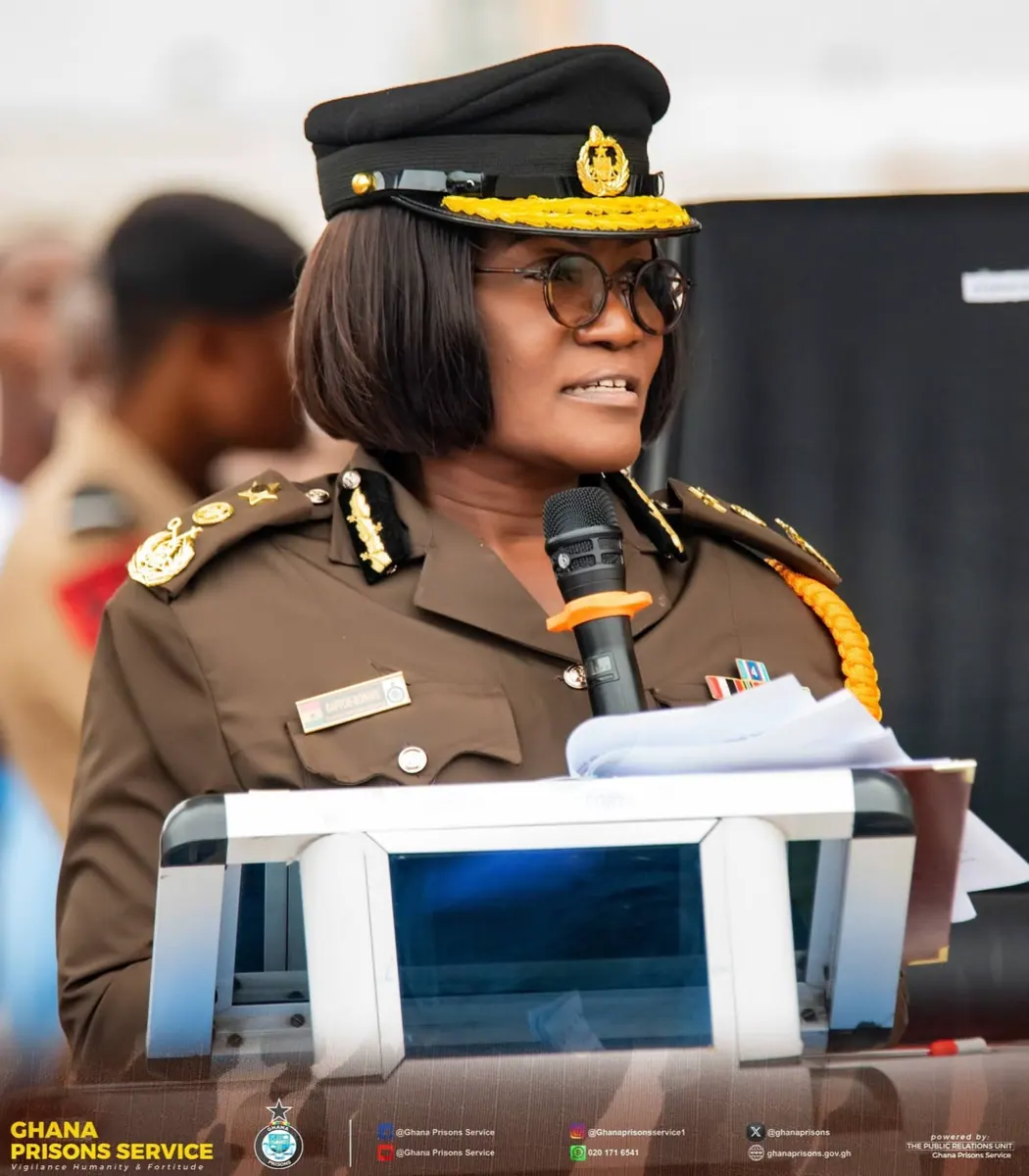
The Director-General of the Ghana Prisons Service, Patience Baffoe-Bonnie, described the launch as a new chapter in how the Service communicates, educates, engages, and connects with Ghanaians and the wider world. She assured that Ghana Prisons TV would be operated to the highest standards of professionalism, integrity, and morality, while using media and the creative arts as tools for rehabilitation.
A major component of Ghana Prisons TV will be the training of interested inmates in creative and media-related skills, including scriptwriting, editing, videography, production, sound engineering, camera operations, presenting, and directing. The Service also plans to establish media departments in selected correctional facilities, where inmates can participate in producing programs that will eventually feed into the national television project.
Programming on Ghana Prisons TV will include content on issues such as children with special needs, parenting, and entertainment, while providing opportunities for officers and inmates across the country to contribute. The Director-General said the initiative would allow inmates who are already acquiring traditional and vocational skills to add creative arts and media skills to their abilities.
The Director-General linked the television project to the wider transformation agenda of the Ghana Prisons Service under the Think Prisons 3C initiative, which seeks to reposition the Service as a modern, human-development-oriented, and forward-looking institution. The initiative combines custodial responsibilities with rehabilitation, reformation, productivity, technology, skills development, and national development.
The Director-General also highlighted the difficulties former inmates often face after discharge, including loss of support, rejection, and difficulty rebuilding their lives. To address this gap, the current administration is working with churches and other well-meaning Ghanaians to provide support to former inmates during the post-incarceration period.
Ghana Prisons TV is intended to demystify what happens behind prison walls and provide a sustained national platform for telling the story of reform, rehabilitation, and reintegration. The station will showcase the work taking place across correctional facilities, including infrastructure, daily routines, innovations, technology, staff and inmate initiatives, rehabilitative programs, and institutional achievements.
Key points
- The Ghana Prisons Service has launched a TV station to showcase its rehabilitation programs and provide skills training for inmates.
- The TV station will offer training in creative and media-related skills, including scriptwriting, editing, and videography.
- The initiative aims to support the rehabilitation and reintegration of inmates into society.