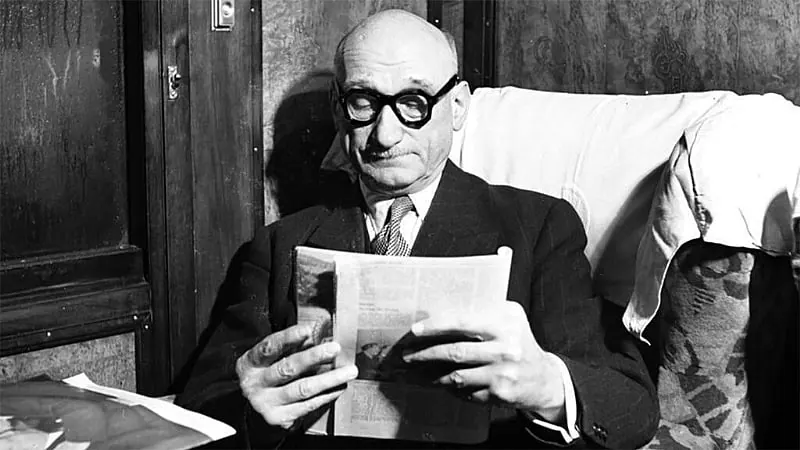
Pope Leo XIV is set to visit Metz on September 28, where he will attend an interfaith gathering and address a conference titled "At the roots of Europe, for peace and unity." The visit is closely linked to Robert Schuman, one of the architects of European integration, who spent much of his life in the Moselle region. Schuman's 1950 declaration laid the foundations for what became the European Union.
Robert Schuman was born in Luxembourg in 1886 and grew up in a region repeatedly shaped by shifts between French and German rule. He was born a German citizen and became French after World War I, when Alsace-Lorraine was returned to France. Schuman settled in Metz in 1912 and entered French politics after the war, winning election as an MP for Moselle in 1919.
Schuman's wartime record was complex, marked by a vote to grant full powers to Marshal Philippe Pétain in 1940. He was later arrested and imprisoned by the Nazis, but escaped and became involved in the French Resistance. After the war, Schuman returned to national politics and held senior posts, including prime minister and foreign minister.
Schuman's declaration on May 9, 1950, proposed pooling French and German coal and steel production under a common authority, leading to the European Coal and Steel Community. This brought together France, West Germany, Italy, Belgium, the Netherlands, and Luxembourg, creating the first building block of today's European Union.
Pope Leo's visit to Metz is also tied to Schuman's Catholic faith, with the Pope recognizing Schuman as having lived a life of "heroic virtue" in 2021. This granted Schuman the title of Venerable, an important step in the Catholic Church's process towards possible beatification.
French bishops say Pope Leo's visit aims to encourage Europe to return to the principles set out in Schuman's 1950 declaration – reconciliation, solidarity, and conflict prevention. The visit comes as Europe faces challenges, including war in Ukraine, geopolitical tensions, and growing concern over disinformation and division within the EU.
The Pope is not expected to visit Schuman's grave, as Church officials say he does not want to interfere with the beatification process. Instead, the visit will focus on promoting Schuman's vision of a united Europe and encouraging a return to his principles of reconciliation and solidarity.
Key points
- Pope Leo XIV visits Metz to honor Robert Schuman's legacy and promote his vision of a united Europe.
- Robert Schuman's 1950 declaration laid the foundations for the European Union.
- The visit comes as Europe faces challenges, including war in Ukraine and growing concern over disinformation and division within the EU.