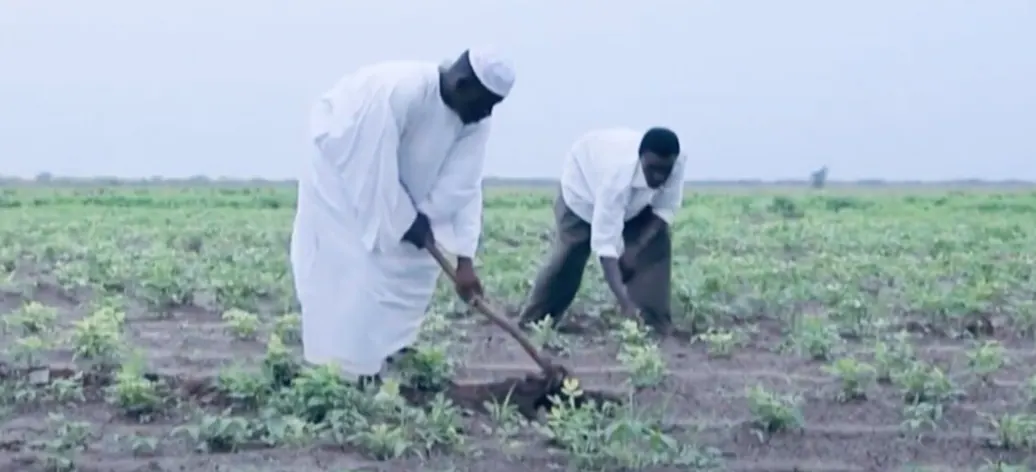
Poor rainfall in Kass, about 80km west of Nyala in Sudan's South Darfur State, has led to a reduction in the area cultivated during the current agricultural season. According to Hafiz al-Saleh, the executive director of Kass Locality, the rainy season started poorly, prompting concerns about the anticipated shortage of food grains. The area planted is now about 70% of last year's level.
Local authorities are taking steps to address the anticipated food shortage. Al-Saleh said they have invited the locality's agriculture office and the Sudanese Agency for Relief and Humanitarian Operations to discuss ways of averting a food gap next year. A plan is also being prepared to reduce the impact of the poor rains ahead of the harvest.
Kass is an important commercial centre with fertile farmland suitable for growing staple crops and areas used for livestock grazing. The locality produces a range of fruits and vegetables and attracts pastoralists from other parts of the region. Many essential commodities are brought into Kass from Chad, making it an important centre for regional trade.
Trade and food prices in Kass are relatively stable compared to Nyala, the capital of South Darfur. Al-Saleh attributed this to the locality's position along the road linking Nyala with Zalingei and El Geneina and onward to Chad. However, grain prices have risen recently but have since fallen after the head of the South Darfur Civil Administration banned the movement of staple grains out of the state.
Kass supplies both South Darfur and neighbouring East Darfur with staple grains, including millet and sorghum. The locality plays a critical role in the region's food supply, and the poor rains have raised concerns about the impact on food security. The Sudanese Agency for Relief and Humanitarian Operations is expected to provide support to mitigate the effects of the poor harvest.
Sudan has been at war since April 2023, when fighting broke out between the Sudanese army and the paramilitary Rapid Support Forces (RSF). The RSF took control of Kass and the army's 61st Infantry Brigade in 2023. The conflict has had a significant impact on the country's agricultural sector, with many areas experiencing reduced crop yields and food shortages.
The poor rains in Kass have highlighted the need for sustainable agricultural practices and climate-resilient farming methods. The local authorities' efforts to address the anticipated food shortage and mitigate the effects of the poor harvest are crucial to ensuring food security in the region. The situation in Kass and other affected areas will require continued monitoring and support to prevent a worsening of the food crisis.
Key points
- Poor rainfall in Kass, South Darfur, has reduced the area cultivated during the current agricultural season by 30%.
- Local authorities are working with the Sudanese Agency for Relief and Humanitarian Operations to address the anticipated food shortage.
- Kass plays a critical role in the region's food supply, providing staple grains to South Darfur and neighbouring East Darfur.