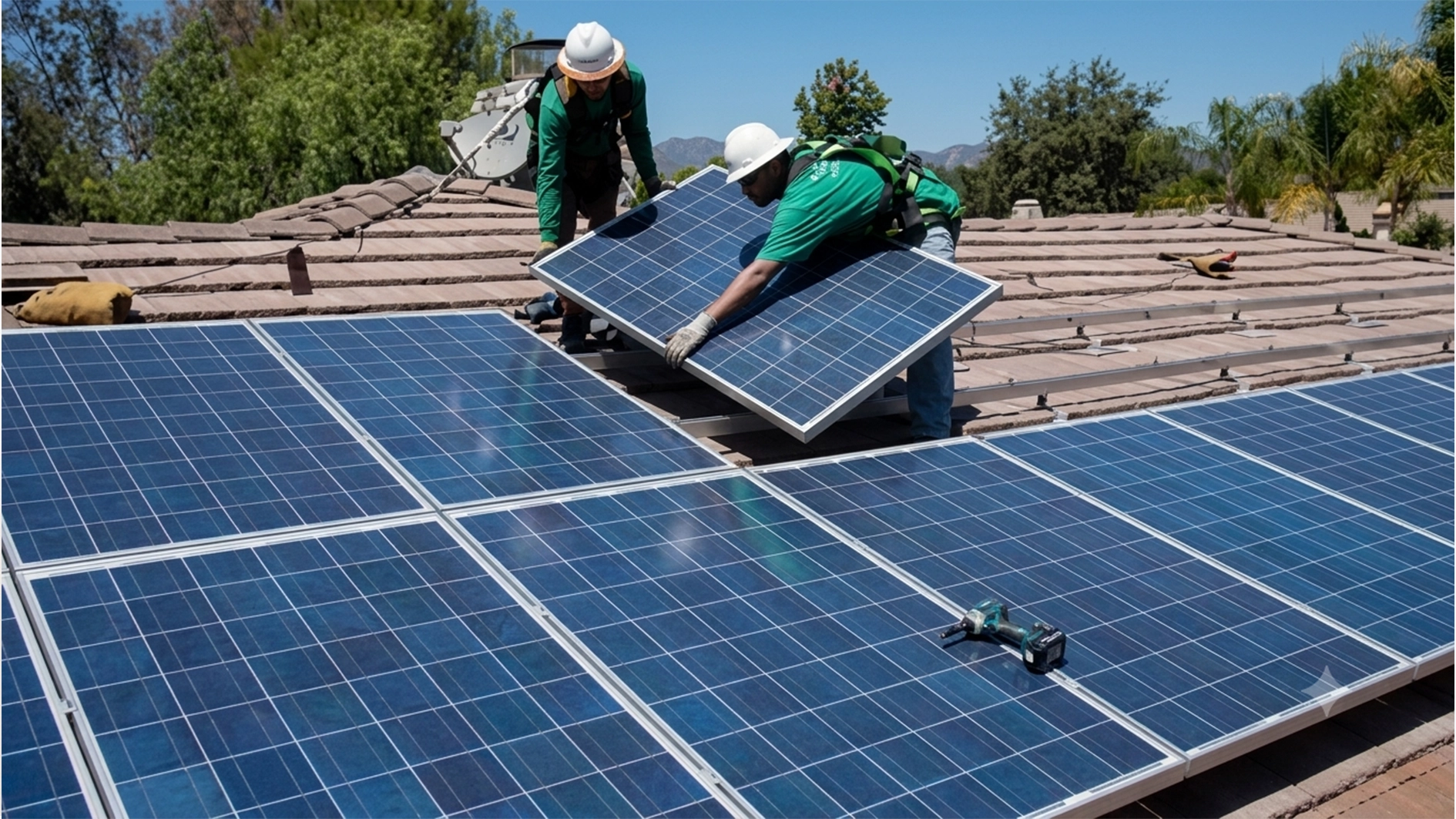
Access to financing is becoming a significant challenge for businesses in Nigeria and Africa seeking to adopt distributed solar energy solutions. According to a report by ESI Africa, a substantial portion of distributed solar capacity on the continent, about 80 per cent, serves commercial and industrial customers. This highlights the growing interest in solar energy among businesses.
The financing structure of solar projects is now considered as crucial as system design and expected electricity generation. Editor-in-Chief of ESI Africa, Nicolette Pombo-van Zyl, emphasized the importance of assessing project economics, risk allocation, cash flow, and implementation timelines when considering solar investments. This suggests that businesses must carefully evaluate their financial options.
The availability of capital does not guarantee that projects will secure financing. Developers and businesses must meet lenders' requirements, which can be a hurdle. Commercial solar projects can be financed through various models, including power purchase agreements, leases, bank loans, or upfront capital investment. Each model has different implications for project costs, cash flow, risk, and operational responsibility.
The choice of financing model should reflect a company's cash flow and risk appetite, as well as its willingness to retain or transfer operational responsibilities. According to Pombo-van Zyl, upfront cost is a major hurdle for businesses considering solar installations. This highlights the need for flexible financing options that can accommodate different business needs.
The financing issue arises as businesses increasingly turn to distributed generation to manage electricity costs and reduce exposure to unreliable grid supply. For commercial and industrial users, the choice of financing structure can determine whether proposed solar projects progress from planning to implementation. This emphasizes the importance of addressing financing constraints.
In Nigeria and across Africa, businesses are seeking ways to mitigate electricity costs and ensure a reliable power supply. Distributed solar energy offers a viable solution, but financing constraints must be addressed. By exploring different financing models and options, businesses can make informed decisions about their solar energy investments.
To overcome financing hurdles, businesses and developers must work together to create innovative financing solutions that can support the growth of distributed solar energy in Nigeria and Africa. This may involve collaboration with lenders, governments, and other stakeholders to develop new financing models and instruments that can support the commercialization of solar energy.
Key points
- Financing constraints hinder commercial solar energy projects in Nigeria and across Africa.
- The choice of financing model can determine the success of solar projects.
- Upfront costs and lenders' requirements are major hurdles for businesses considering solar installations.