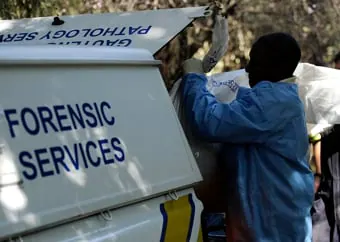
A staggering 42 individuals, including ward councillors, political party campaigners, members of civic organisations, and traditional leaders, have been murdered in suspected political assassinations in South Africa since January. The City Press reported that these killings have sent shockwaves throughout the country, raising concerns about the increasing levels of violence and intimidation in the lead-up to elections. Authorities have been urged to take immediate action to prevent further attacks and ensure the safety of those involved in the electoral process.
The South African Police Service (SAPS) has been working to address the issue of political violence, with the KwaZulu-Natal (KZN) police issuing a stern warning to political parties to refrain from eliminating their competition through violent means. The police have noted that the situation is being closely monitored, and efforts are being made to identify and apprehend those responsible for the killings. However, the frequency and brutality of these attacks have sparked fears about the impact on the country's democratic processes.
The ruling Democratic Alliance (DA) has been embroiled in controversy, with party leaders attempting to shield a member from expulsion after allegations of misrepresenting their qualifications. The issue has raised questions about the integrity of party officials and the vetting processes in place to ensure that candidates are suitable for public office. The DA has faced criticism for its handling of the matter, with some arguing that it reflects a broader problem of accountability within the party.
The surge in political assassinations has been linked to various factors, including the increasing tensions between rival parties and the struggle for power and influence. The situation has been exacerbated by the growing trend of violent protests and intimidation tactics, which have become more prevalent in the run-up to elections. As the electoral season heats up, concerns are growing about the potential for further violence and the impact on the country's democratic processes.
In response to the growing concerns about political violence, various stakeholders have called for urgent action to be taken to prevent further attacks and ensure the safety of those involved in the electoral process. The Independent Electoral Commission (IEC) has been urged to take a more proactive role in addressing the issue, including working closely with law enforcement agencies to identify and mitigate potential threats.
The impact of these assassinations extends beyond the immediate victims and their families, with many arguing that it undermines the very fabric of South Africa's democracy. The country has a long history of violence and intimidation during elections, and the current surge has raised fears about the potential for further instability. As the situation continues to unfold, it remains to be seen how effective the authorities will be in preventing further attacks and ensuring a safe and secure electoral process.
As the country prepares for upcoming elections, the issue of political violence has taken center stage. Various parties have pledged to work together to prevent further attacks and ensure the safety of all involved. However, with 42 people already murdered in suspected political assassinations this year, it remains to be seen whether these efforts will be enough to stem the tide of violence and ensure a peaceful and democratic electoral process.
Key points
- At least 42 people linked to politics have been murdered in South Africa since January.
- Authorities have been urged to take immediate action to prevent further attacks and ensure the safety of those involved in the electoral process.
- The surge in political assassinations has been linked to various factors, including increasing tensions between rival parties and the struggle for power and influence.