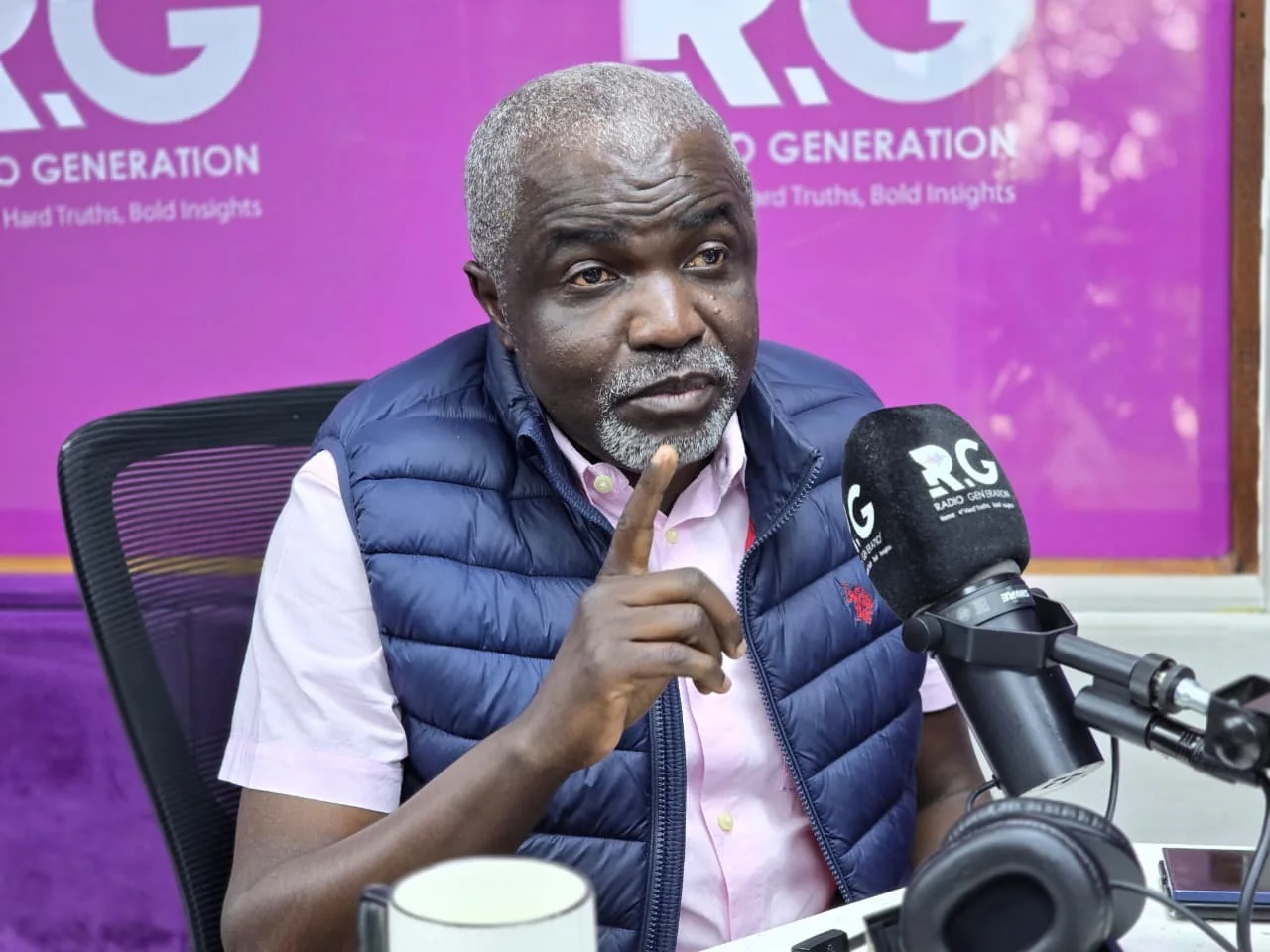
Political analyst Zachariah Baraza has questioned the conduct of Kenya's 2022 presidential election, citing concerns over the transmission of results, election technology, and the preparedness of party agents. In an interview with Radio Generation Kenya on September 24, 2026, Baraza expressed concerns over the delay in transmitting presidential results to the national tallying centre, compared to results for other elective positions. He noted that results for governors and senators were known much earlier after voting, raising questions about the time taken to complete the presidential tally.
Baraza specifically pointed out that by midnight, results were at the constituency tallying centre, and by morning, they were at the county tallying centre. However, it took six days to know the president, to get that tally from wherever it is to Bomas. He questioned the need to physically move presidential result documents over several days when electronic systems are available for transmitting election information. Baraza suggested that the results could simply be scanned and transmitted electronically, given the technology available.
The analyst alleged that the time taken to move election materials after voting created room for possible interference during the transmission and tallying of presidential results. He stated that the hurry to get people to vote was not matched by a similar urgency to transmit the results, creating an opportunity for manipulation. Baraza's remarks come against the backdrop of challenges recorded by election observers during the 2022 General Election, including problems with biometric voter identification and malfunctioning KIEMS kits.
The European Union Election Observation Mission reported that Kenya had 46,229 polling stations during the election, with 28 of 33 polling stations visited by observers during opening, opening late. The mission also reported problems with biometric voter identification in 35.1 per cent of the polling stations it visited, contributing to slower processing and queues at some stations. However, the EU observers did not find that the problems amounted to systematic manipulation of the presidential election.
An analysis of all 290 constituency tallying-centre forms found errors in 21 Form 34Bs, representing 7.24 per cent of the forms. The differences amounted to 4,023 votes, while 12 of the forms had discrepancies involving more than 100 votes. The EU Election Observation Mission said the inaccuracies were not large enough to change the outcome of the presidential election and could be explained by human error rather than a system-wide attempt to manipulate the results.
Baraza also raised questions about access to the IEBC election servers, saying the electoral agency had not provided enough openness about the technology used during the 2017 and 2022 elections. He said repeated demands for access to the servers had not been fully addressed, arguing that this had left questions about the transparency of the electoral process. The use of election technology was also examined during the 2022 presidential election petition at the Supreme Court.
The Supreme Court upheld President William Ruto's election on September 5, 2022, following petitions challenging the presidential result. IEBC records show that Ruto received 7,176,141 votes, representing 50.49 per cent, while Raila Odinga received 6,942,930 votes, representing 48.85 per cent. The latest debate was triggered by former President Uhuru Kenyatta's renewed assertion that Odinga won the election, with Baraza saying the former president should provide evidence to support the claim.
Key points
- The analyst called for greater attention to the recruitment and training of election agents as well as the handling and transmission of results.
- Baraza's concerns come as the country prepares for the 2027 General Election, with the analyst urging lessons to be drawn from the 2022 poll.
- The EU Election Observation Mission issued 21 recommendations covering areas including election technology, strengthening the IEBC, and improving public confidence in the electoral process.