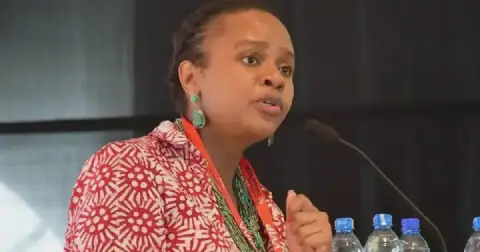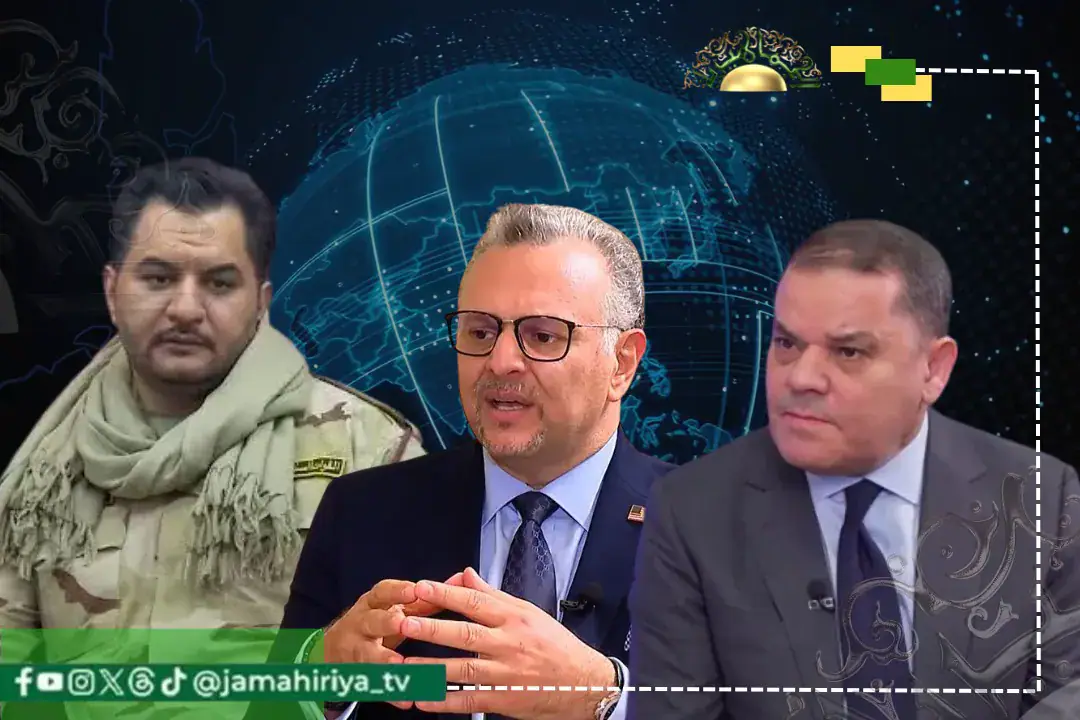
Libyan crisis resolution is hindered by the conflicting interests of various parties involved, according to Karim Mezran, Director of the North Africa Initiative and Resident Senior Fellow at the Atlantic Council. In a recent statement, Mezran emphasized that the main obstacle to resolving the Libyan crisis lies in the calculations of the parties themselves. He noted that Masood Poulos, the US President's advisor, is aware of the flaws in his proposal.
Mezran expressed skepticism about the feasibility of Poulos' plan, which involves integrating the two governments under the leadership of Abdul Hamid Dbeibah and establishing a new presidential council led by Saddam Haftar. According to Mezran, Haftar would face rejection in Tripoli, Misrata, and other cities in western Libya. Mezran described Poulos' plan as "born dead," citing the reluctance of the parties involved to compromise.
The Atlantic Council expert attributed the failure of previous dialogue attempts to the vested interests of the authorities in the east and west of the country. Mezran argued that the parties are more interested in maintaining the status quo than in finding a solution to the crisis. He emphasized the importance of protecting citizens during the electoral process, which he considers a crucial condition for any electoral path forward.
Meanwhile, sources have revealed a new US strategy in Libya aimed at transforming the country from a protracted crisis into a region of "soft" stability. The strategy seeks to serve American economic and geopolitical interests, particularly in light of the existing power vacuum in North Africa and the Sahel region. The plan prioritizes the swift organization of elections.
The US strategy appears to be driven by a desire to counterbalance the influence of Russia and China in the region. According to Mezran, the removal of "force majeure" – referring to the late Muammar Gaddafi's son, Seif Islam – has created an opportunity for the international community to push for a peaceful resolution to the crisis.
Mezran's comments were echoed by Libyan stakeholders who have expressed concerns about the proposed presidential council led by Saddam Haftar. The plan has sparked controversy, with many Libyans questioning Haftar's suitability to lead a new council. The rejection of Haftar's candidacy in key cities in western Libya further complicates the implementation of Poulos' plan.
As Libya continues to grapple with its protracted crisis, the international community remains engaged in efforts to find a peaceful solution. The success of these efforts will depend on the willingness of the parties involved to compromise and prioritize the country's stability and prosperity. The outcome remains uncertain, with many observers watching closely for any signs of progress.
Key points
- The main obstacle to resolving the Libyan crisis lies in the calculations of the parties involved.
- Poulos' plan to integrate the two governments and establish a new presidential council led by Saddam Haftar is unlikely to succeed.
- The US strategy in Libya aims to counterbalance the influence of Russia and China in the region.
Reporting sources
- باحث سياسي: صدام حفتر مرفوض في طرابلس ومصراتة.. وخطة بولس وُلدت ميتة · Aljamahiriya TV