Research by the United Nations Development Programme (UNDP) indicates that air pollution in Ghana results in an annual loss of approximately $1.9 billion. The Country Lead for the Clean Air Fund, Desmond Appiah, disclosed this information during an appearance on the Citi Breakfast Show on Friday, November 27. He emphasized that a significant portion of non-communicable diseases (NCDs) in Ghana can be attributed to air pollution.
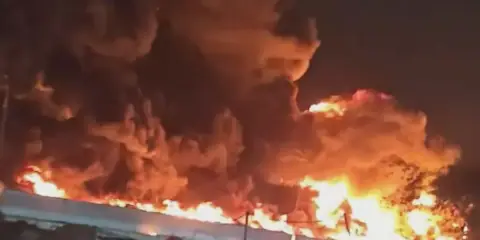
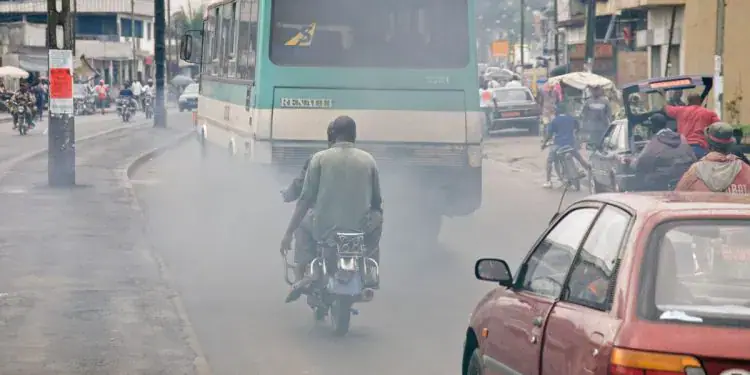
Air pollution is a growing environmental and public health challenge in Ghana, particularly in urban centers such as Accra, Kumasi, Tema, and Takoradi. The problem stems from a combination of human activities, industrial operations, and natural factors like the Harmattan. One of the most common sources of air pollution in Ghana is the open burning of waste. Many households and communities burn rubbish, including plastics, packaging materials, old tires, agricultural waste, and vegetation cleared from land.
The open burning of waste releases harmful pollutants, including fine particles, carbon monoxide, sulfur dioxide, and toxic chemicals. These pollutants can cause breathing difficulties, asthma attacks, eye irritation, heart disease, and other serious health conditions. According to Desmond Appiah, some of the resources under the MahamaCares program, which focuses on non-communicable diseases, should be allocated to tackle air pollution, a major source of NCDs.
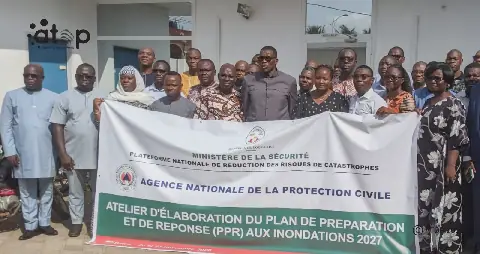
The government has taken steps to address the issue of air pollution. A ban on open burning of rubbish will be enforced nationwide from January 2027. Authorities, including the Environmental Protection Authority (EPA), local assemblies, and the Ministry of Environment, have introduced measures such as air-quality monitoring, stricter pollution controls, and public education campaigns.
The government has also declared 2027 the "Year of Pollution Control," with measures including the ban on open burning and the enforcement of air-quality regulations. This move aims to mitigate the effects of air pollution and promote a healthier environment. The UNDP research provides valuable insights into the economic impact of air pollution in Ghana.
Desmond Appiah emphasized the need for a shift in focus and allocation of resources to address the fundamental causes of non-communicable diseases, including air pollution. The MahamaCares program, which focuses on NCDs, should consider allocating resources to tackle air pollution, a significant contributor to these diseases.
The issue of air pollution in Ghana requires a multi-faceted approach, involving government agencies, local communities, and individuals. By working together, it is possible to reduce the effects of air pollution and promote a healthier environment for the people of Ghana. The UNDP research and government initiatives are crucial steps towards addressing this critical issue.
Key points
- Air pollution costs Ghana approximately $1.9 billion annually.
Reporting sources
- Air pollution costs Ghana about $1.9bn annually – UNDP · The Independent