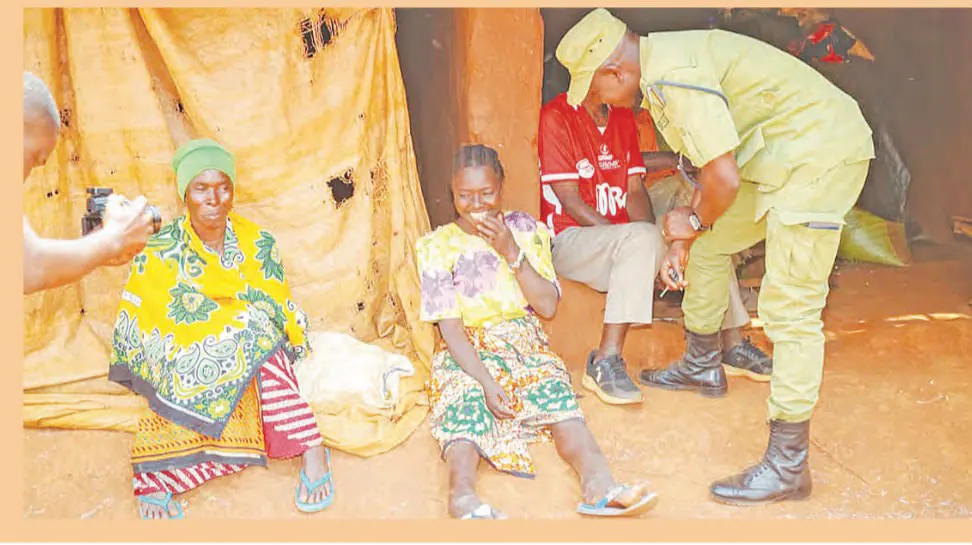
Corporal Mjinya Ismail, a police officer from Namtumbo Police Station in Tanzania's Ruvuma Region, recently undertook an 11-kilometre journey to Mlambichuma, a small hamlet in Luegu Ward, Namtumbo District. His visit was not in response to a crime scene or security incident, but rather to extend acts of compassion to vulnerable groups, including an elderly man and a woman living with a mental health challenge.
The idea for the visit began with a conversation between CPL Mjinya and Mzee Zuberi, the hamlet chairman, who helped identify residents experiencing difficult situations. CPL Mjinya decided to make the journey himself, carrying basic necessities like soap, sugar, rice, cooking oil, and cash. He wanted to meet the beneficiaries personally, listen to them, and understand their circumstances firsthand, transforming a straightforward donation into a personal human encounter.
CPL Mjinya's visit demonstrated how police service can extend beyond conventional law-enforcement responsibilities to include meaningful engagement with the communities officers are entrusted to protect. He explained that his livelihood and service had given him an opportunity to share with people who were less fortunate, and that he wanted to see the vulnerable residents face-to-face and understand their lives.
The visit also carried a message from the Officer Commanding Namtumbo Police Station, OCD SSP Adam Mwaisondola, to residents of Mlambichuma, encouraging them to maintain cooperation with the police and report crimes and security concerns. CPL Mjinya reminded residents about the importance of caring for vulnerable members of society, particularly elderly people and individuals with special needs.
For Rehema Zuberi's family, the arrival of the Ward Police Officer carried particular emotional significance, as they had struggled to care for her mental health challenges for many years. Rehema's mother, Zainab Kharid, expressed gratitude for the visit, highlighting the importance of emotional encouragement, understanding, and practical support for families in similar situations.
Mzee Zuberi expressed his appreciation to CPL Mjinya for identifying and reaching out to vulnerable residents in the hamlet, demonstrating the importance of community leaders and ordinary citizens recognising people who are struggling and helping them whenever possible. The assistance delivered during the visit may have appeared modest, but it represented recognition and a human connection that can be particularly important in rural communities.
The visit to Mlambichuma offers a broader reflection on the relationship between police officers and the communities they serve, highlighting the potential for policing to become a bridge between authorities and citizens. By building relationships, listening to residents, and understanding local challenges, police officers can help strengthen trust and encourage residents to participate actively in maintaining peace and security.
Key points
- Corporal Mjinya Ismail's visit showed that police service can extend beyond law enforcement to meaningful community engagement.
- The visit highlighted the importance of caring for vulnerable members of society, particularly elderly people and individuals with special needs.
- The police officer's journey demonstrated the potential for policing to become a bridge between authorities and citizens, building trust and encouraging community participation in peace and security.