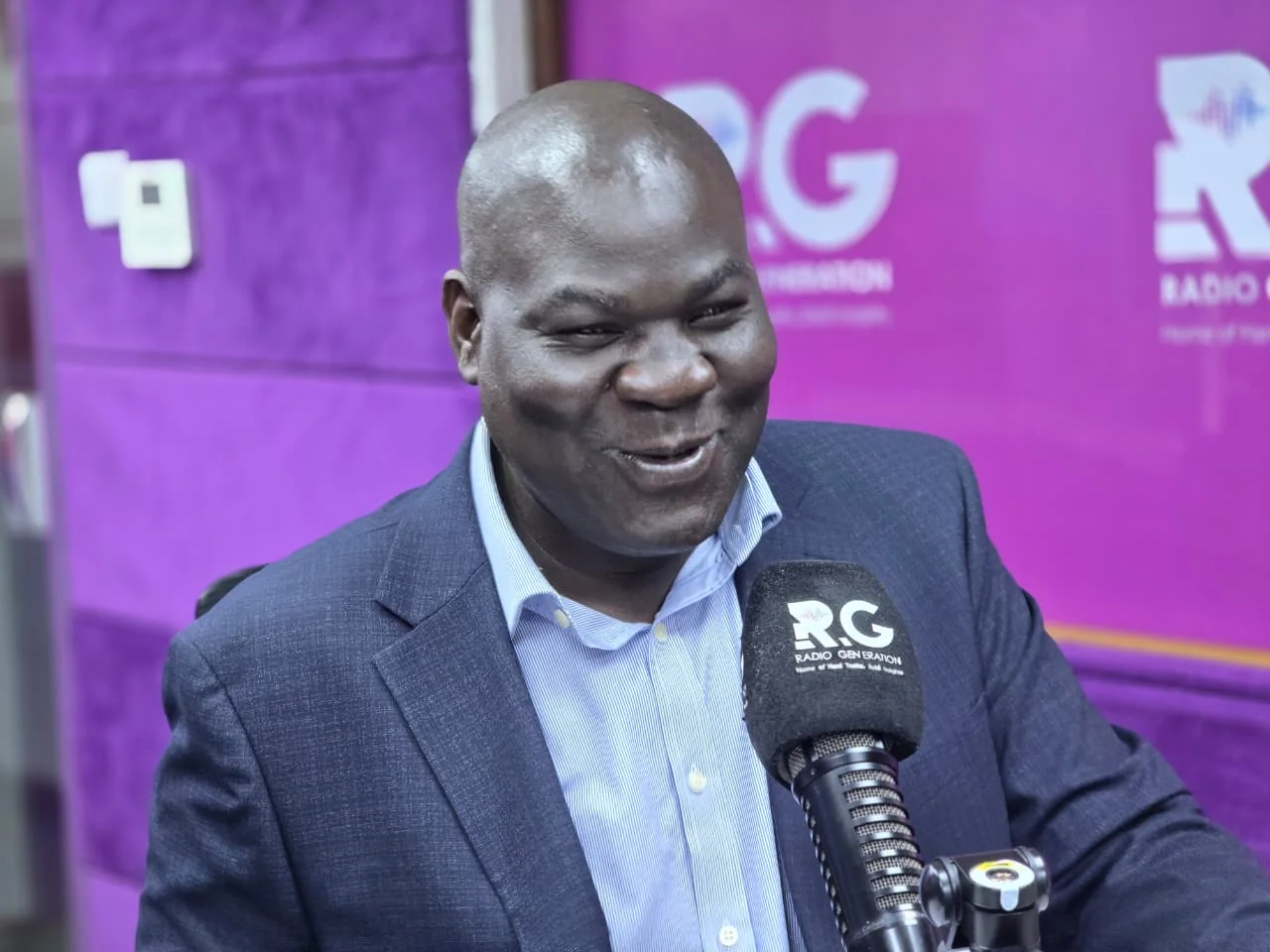
Police officers in Kenya are mandated by law to promptly report deaths or serious injuries occurring in police custody or as a result of police action to the Independent Policing Oversight Authority (IPOA). Failure to make this report amounts to an offence. According to IPOA Chair, Dr. Duncan Ojwang, the authority has the legal power to initiate investigations on its own once it becomes aware of such an incident, without needing a complaint from the public.
The requirement for police to notify IPOA is provided for under the IPOA Act and the 2024 IPOA Regulations. These regulations require police to preserve evidence at the scene and promptly inform IPOA. The regulations also empower IPOA to investigate deaths occurring in police custody once the authority becomes aware of the incident, regardless of whether a public complaint has been filed.
IPOA's intervention is triggered by deaths, serious injuries, and other grave consequences linked to police action, including incidents involving people held in police custody. Dr. Ojwang explained that if a death occurs, the police are supposed to notify IPOA immediately, and failure to do so is an offence. IPOA then secures the scene, takes the body and evidence, and conducts the investigation.
A 2025 High Court ruling reinforced IPOA's role in investigating deaths or serious injuries in police custody resulting from police action. The court held that the police's role in such cases is to preserve evidence and notify IPOA, rather than carrying out separate investigations alongside the oversight authority. This ruling underscores IPOA's independent oversight role in such cases.
According to IPOA's January-June 2023 performance report, the authority recorded 54 deaths arising from police action, including 27 deaths in police premises or custody. Of these, police notified IPOA of 36 cases, while 18 were not reported despite the legal requirement. This highlights the need for police to adhere to the law and report such incidents to IPOA.
Beyond deaths and serious injuries, IPOA handles complaints against police officers, conducts investigations, inspects police facilities, and monitors police operations. In the period ending June 2024, IPOA processed 1,943 complaints, carried out 597 investigations, and forwarded 42 investigation files to the Office of the Director of Public Prosecutions for review.
Dr. Ojwang stated that IPOA aims to focus on regular inspections and audits to strengthen proactive oversight of police operations. The authority has trained investigators who independently handle cases involving police officers and work with other agencies where necessary. IPOA receives between 3,000 and 4,000 complaints, with some matters being referred for mediation while others are investigated and sent for possible prosecution.
Key points
- Police officers in Kenya are required by law to immediately notify IPOA of deaths or serious injuries in custody or resulting from police action.
- IPOA has the legal power to initiate investigations on its own once it becomes aware of such an incident, without needing a complaint from the public.
- A 2025 High Court ruling reinforced IPOA's role in investigating deaths or serious injuries in police custody resulting from police action.