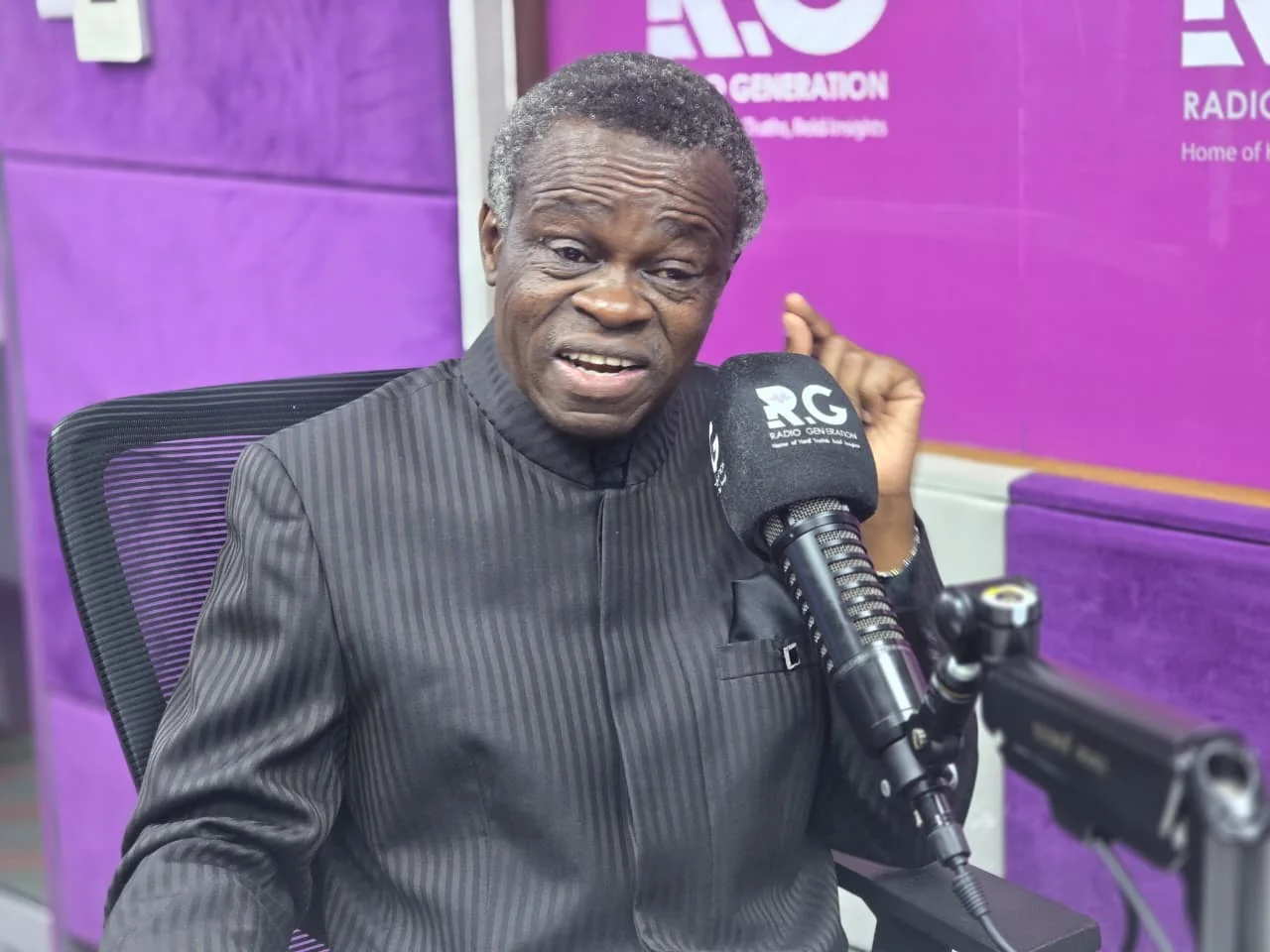
Advocate of the High Court Prof PLO Lumumba has emphasized that Kenya must address its governance issues to achieve economic independence. In an interview on Radio Generation on September 28, 2026, Lumumba stated that Kenyans have developed a "tacit understanding" of corruption, criticizing it publicly while accepting it in practice. He argued that this duplicity has become entrenched in the country's culture, hindering meaningful economic progress. Lumumba's comments come as Kenya prepares for the 2027 General Election, with many Kenyans calling for change.
Lumumba criticized Kenyans for tolerating corruption and indiscipline, saying that citizens have a responsibility to uphold the law rather than blaming politicians for behavior that is accepted in society. He cited examples of everyday life, such as obeying traffic laws, as a way to demonstrate this responsibility. The Advocate argued that this culture of indiscipline extends to public institutions and governance, making it challenging for African countries to achieve economic independence. He emphasized that the United Nations General Assembly cannot provide Africa with economic independence unless countries first address their domestic weaknesses.
Prof Lumumba identified several areas that require urgent attention, including energy, education, infrastructure, governance, and regional integration. He cited Africa's weak energy production, reliance on foreign expertise, and declining university standards as evidence of the continent's failure to build the foundations required for economic transformation. Lumumba also criticized Kenya's political culture, saying leaders focus on forming parties and pursuing power without presenting clear development agendas. He questioned the political competition ahead of the 2027 General Election, asking, "What is the agenda?"
The legal scholar linked poor governance to the management of public resources, particularly at county level. He noted that counties receive public funds but are frequently criticized in Auditor-General reports over their management of resources. Lumumba argued that development should begin at the smallest administrative unit, the ward, and build upwards. He emphasized that this approach would help ensure that public resources are used effectively and efficiently.
Lumumba also expressed concern about the state of universities in Kenya, saying they are being disconnected from the economy. He argued that institutions of higher learning should drive research, innovation, and links between academia and industry. The Advocate emphasized that without stronger universities, research capacity, and institutions, Kenya will remain dependent on foreign countries for expertise and technology.
Prof Lumumba warned that there will be a tipping point if Kenya fails to address its governance issues and build a strong foundation for economic transformation. He emphasized that economic transformation requires changes beyond elections and political leadership, including a fundamental shift in the country's culture and institutions. Lumumba's comments have sparked a national conversation about the need for reform and good governance in Kenya.
Key to Kenya's economic independence, according to Lumumba, is fixing the fundamentals, including addressing corruption, indiscipline, and weak institutions. He emphasized that until these issues are addressed, Kenya will not achieve meaningful economic progress. The Advocate's call for reform has resonated with many Kenyans, who are increasingly demanding accountability and good governance from their leaders.
Key points
- Kenya's weak institutions, corruption, and indiscipline hinder economic independence.
- Prof Lumumba calls for a fundamental shift in Kenya's culture and institutions to achieve economic transformation.
- The Advocate emphasizes the need for stronger universities, research capacity, and institutions to drive economic progress.