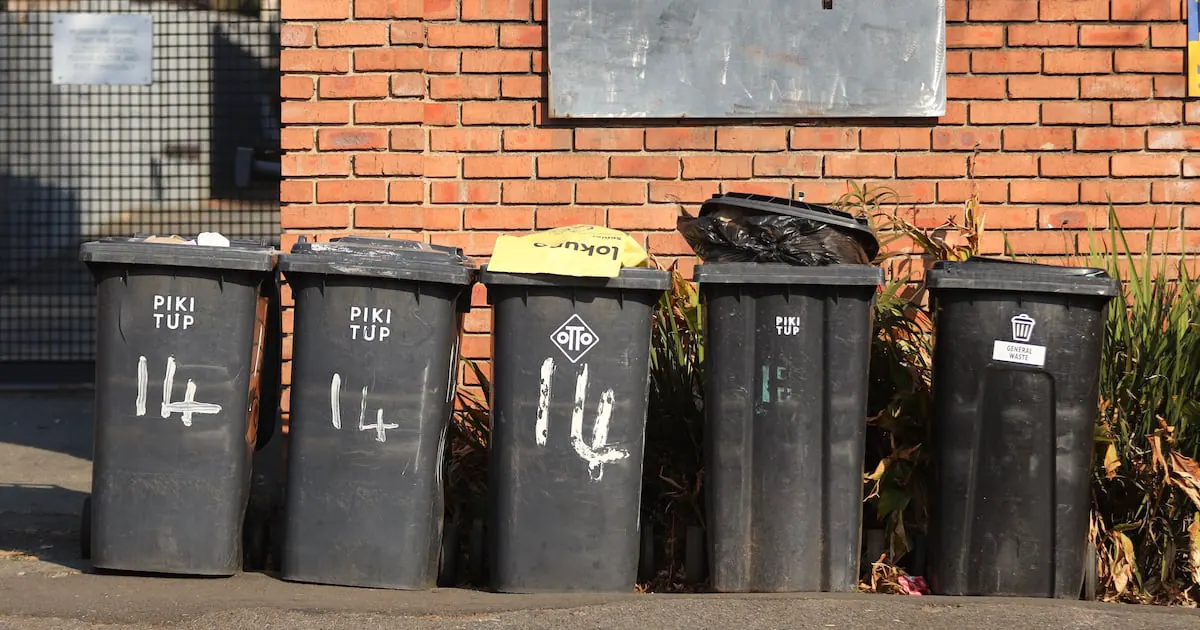
Companies contracted to Pikitup, a waste management entity in South Africa, are facing financial difficulties due to unpaid invoices. According to several service providers, Pikitup owes them millions of rand in outstanding payments dating back to May 2025. The contractors, who provide services in areas such as Randburg, Midrand, Marlboro, and Soweto, claim that the recurring disruptions to waste collection services are largely due to Pikitup's failure to pay them.
The service providers, who requested anonymity for fear of reprisals, claim that Pikitup owes them collectively close to R1 billion. One contractor stated that Pikitup owes his company more than R50 million for services rendered. He began working with Pikitup in 2020, and his contracts had been renewed every two years. However, payments were initially made on time, but problems began in 2024.
The delayed payments have left the contractors heavily indebted. One contractor claimed to have loans amounting to R8 million and exhausted overdraft facilities. He stated that many of his trucks are standing idle because he cannot afford diesel, and his workforce of 70 employees may not receive salaries at the end of September due to the company's cash flow problems.
Pikitup chair Maxwell Nedzamba attributed the waste collection crisis in the city to the Johannesburg metro's financing model. He stated that the policy governing the city's coffers needed an overhaul, citing a cash flow challenge in the entire City of Johannesburg. Nedzamba mentioned that the city's "sweeping" arrangement, where revenue collected from various entities gets placed in one account and redistributed, contributes to the problem.
Another service provider, owed R53 million, stated that the bank was on the verge of repossessing several of his trucks before the end of the month. He needed to raise R10 million to ensure his remaining fleet could stay operational. The contractor claimed that his business was not growing, and he had lost several trucks to repossession over the years.
The service providers argue that Pikitup's failure to pay contractors has played a significant role in the disruptions to waste collection services. They claim that labour-related disputes are not the only reason for the disruptions and that they are forced to halt services because they cannot afford to continue delivering services when not being paid.
Pikitup spokesperson Muzi Mkhwanazi had not responded to questions by Tuesday afternoon. The service providers' struggles highlight the challenges faced by contractors working with Pikitup, and the impact of delayed payments on their businesses and employees. The situation may lead to further disruptions in waste collection services in the city.
Key points
- Pikitup service providers are owed collectively close to R1 billion in unpaid invoices.
- The delayed payments have left contractors heavily indebted and struggling to maintain their businesses.
- The service providers argue that Pikitup's failure to pay contractors has contributed significantly to the disruptions in waste collection services.