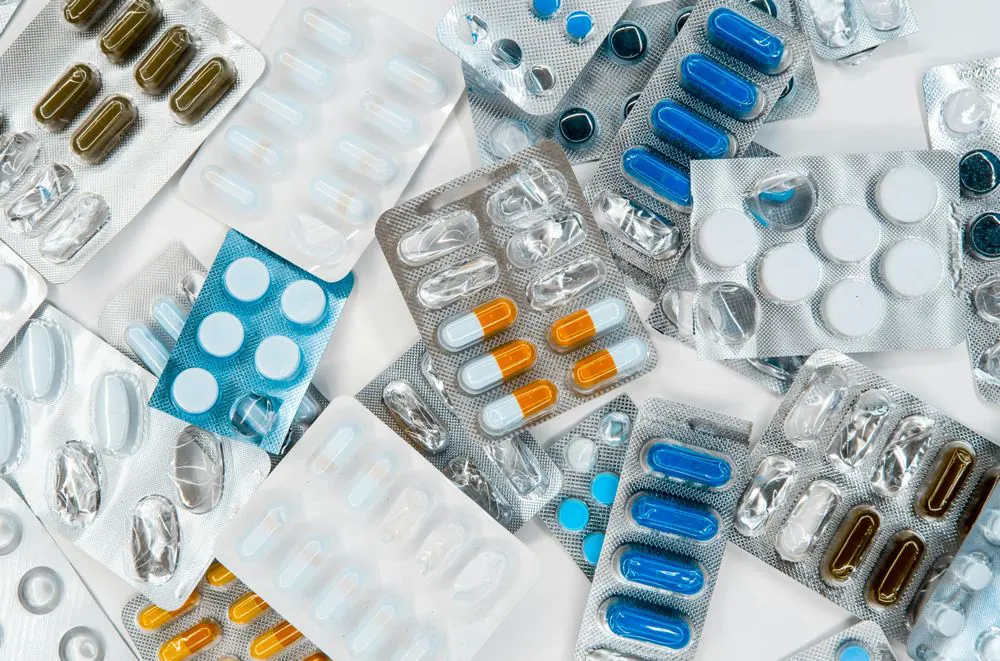
Pharmacists in South Africa are cautioning citizens about the risks associated with misusing medicine, including taking incorrect doses, using someone else's prescription, or stopping treatment too soon. These everyday mistakes can result in serious health complications, such as treatment failure, poisoning, organ damage, and antibiotic resistance. The warning comes during Pharmacy Month, which this year carries the theme "Ask Your Pharmacist. Your Pharmacist – Your Partner in Health".
Professor Renier Coetzee, associate professor at the School of Public Health at the University of the Western Cape and president of the Pharmaceutical Society of South Africa, said patients often make mistakes without realizing the potential consequences. He cited the example of using a kitchen spoon to measure a child's liquid medicine, which can result in too much or too little medicine being given. Coetzee emphasized the importance of using proper measuring devices and seeking guidance from pharmacists.
Coetzee also warned patients against taking more medicine than prescribed, as this can cause serious side effects, poisoning, or damage to vital organs. He stressed that patients should never use medicine prescribed for someone else, as it may be unsuitable for them due to factors such as dosage, other medicines being taken, allergies, and medical condition. Additionally, Coetzee cautioned against stopping chronic medication without consulting a pharmacist, as some conditions can have few or no symptoms even when not properly controlled.
The misuse of antibiotics is another area of concern, according to Coetzee. Using the wrong antibiotic or taking an inadequate dose can leave an infection untreated and contribute to antibiotic resistance. He emphasized that antibiotics only treat certain bacterial infections and do not work against viral illnesses such as most colds and flu. Coetzee advised patients to speak to their pharmacist before stopping or changing their medication, as some medicines need to be taken regularly while others may need to be reduced gradually.
Vincent Tlala, Registrar and CEO of the South African Pharmacy Council (SAPC), warned against obtaining medicines from informal sources, including social media networks. He stated that medicines not sourced from legitimate sources, such as pharmacies, hospitals, and clinics, tend to be falsified and substandard. Tlala emphasized that falsified medicines can place patients' health at serious risk, as they may not contain the same active pharmaceutical ingredients found in genuine medicines.
Tlala urged patients to obtain medicines only from licensed and registered pharmacies and to avoid websites or social media platforms that are not linked to legitimate pharmacies. He also advised patients to return unused or expired medicines to a pharmacy rather than throwing them into household bins, sinks, or toilets. The Gauteng Department of Health has also urged the public to remain alert to medicines with suspicious packaging or labelling.
The Gauteng Department of Health and the South African Health Products Regulatory Authority (SAHPRA) are working to combat the issue of substandard and falsified medicines. The department emphasized that medicines can only deliver their intended health benefits when used correctly and consistently. Pharmacists play a crucial role in chronic disease management, health education, vaccination, point-of-care testing, and community outreach, and patients are encouraged to consult them for guidance on medication use.
Key points
- Patients are advised to always ask their pharmacist about their medicines and to obtain medicines only from licensed and registered pharmacies.
- Misusing medicine can lead to serious health complications, including treatment failure, poisoning, and organ damage.
- Falsified medicines can place patients' health at serious risk and should be reported promptly to the South African Health Products Regulatory Authority (SAHPRA).