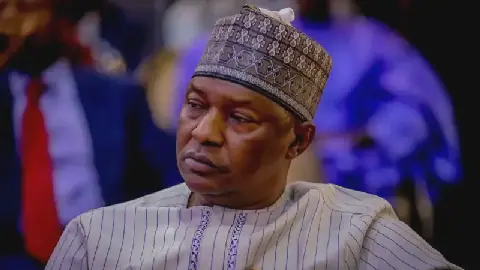
Nigeria's Minister of State for Petroleum Resources, Heineken Lokpobiri, has stated that Nigerians may not see an immediate reduction in petrol prices. Lokpobiri cited the impact of global energy markets and the ongoing crisis in the Middle East as key factors influencing domestic fuel prices. He made these remarks during an interview on Channels Television's Politics Today on Tuesday, September 22, 2026.
According to Lokpobiri, crude oil and petroleum products are traded in an international market, meaning developments outside Nigeria can directly affect domestic fuel prices. The minister noted that the continued instability in the Middle East could put further pressure on energy prices globally. He emphasized that oil and gas are global commodities, and prices in New York or other international markets will be reflected in Nigeria.
Lokpobiri stressed that the pressure on household purchasing power caused by high energy costs is not unique to Nigeria. He noted that consumers in other parts of the world, including America and Europe, are also facing similar challenges due to rising energy costs. The minister's comments highlight the interconnectedness of global energy markets and their impact on local economies.
Under the current deregulated system, Nigeria cannot independently dictate petrol prices. Lokpobiri confirmed that the Federal Government does not have the power to directly reduce or increase petrol prices. He stated that the deregulation of the oil industry is in line with global best standards, allowing market forces to determine prices.
Even a significant increase in Nigeria's crude oil production would not automatically translate into cheaper petrol, according to Lokpobiri. He explained that crude remains a globally traded commodity, and prices are determined by international market trends. Therefore, an increase in production would not necessarily lead to lower prices for consumers in Nigeria.
Petrol prices in Nigeria remain elevated amid rising international crude prices linked to tensions in the Middle East. According to Reuters, petrol prices have reached about ₦1,400 per litre in Lagos and Abuja and as high as ₦1,500 in parts of northern Nigeria. Lokpobiri's comments provide context for the current price situation and the challenges facing the Nigerian government in addressing fuel costs.
The issue of petrol prices is a pressing concern for Nigerians, with many feeling the impact of high energy costs on their household budgets. As the global energy landscape continues to evolve, the Nigerian government will need to navigate these challenges while exploring strategies to mitigate the effects of price fluctuations on local consumers.
Key points
- The Nigerian government does not have the power to directly control petrol prices due to the deregulated nature of the oil industry.
- Global energy market trends and the Middle East crisis are contributing factors to the current high petrol prices in Nigeria.
- An increase in Nigeria's crude oil production would not necessarily lead to cheaper petrol due to the globally traded nature of crude oil.