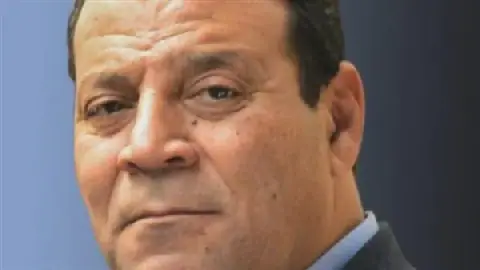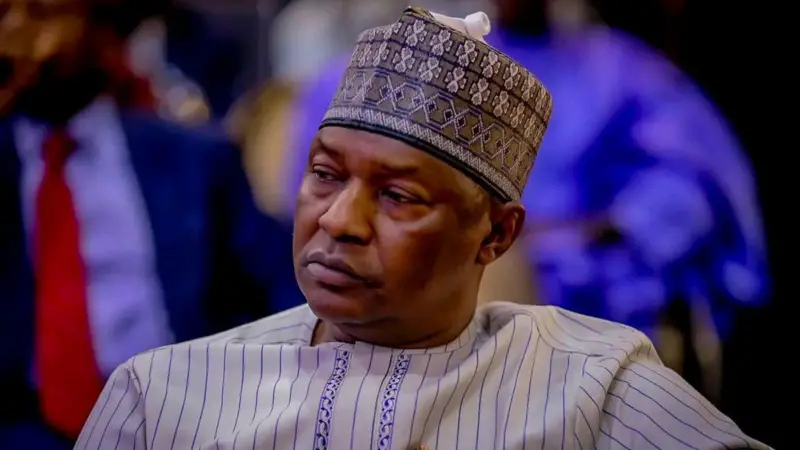
A dispute between Nigeria and Sunrise Power over the Mambilla Hydroelectric Power Project has taken a new turn, with former Attorney-General of the Federation, Abubakar Malami, and his successor, Lateef Fagbemi, offering differing positions on the controversial $200m settlement. The settlement was reached in January 2020, with Nigeria agreeing to pay Sunrise $200m, and a further $200m default provision was introduced in March 2020.
The Mambilla project, located in Taraba State, was initially agreed upon in 2003, with Sunrise Power and Transmission Company Limited set to construct a 3,050MW hydropower plant on a build-operate-transfer basis. However, the project has been delayed due to litigation and arbitration instituted by Sunrise. In 2017, Sunrise commenced arbitration against Nigeria, seeking about $2.35bn over the project.
Malami has rejected suggestions that his actions as AGF were undertaken pursuant to a corrupt agreement or in exchange for personal financial benefit. He stated that the dispute predated his tenure as AGF and that the government's consideration at the time was to bring an end to the litigation and financing difficulties through a substantially smaller negotiated settlement.
Malami also pointed out that the $200m settlement was never paid to Sunrise, adding that there was no evidence before the tribunal linking him to any financial benefit from the proposed arrangement. He further cautioned against presenting the tribunal's findings as a criminal conviction, noting that the proceedings were commercial arbitration between parties to a dispute.
Fagbemi, however, said the legal battle had come at a substantial cost to Nigeria, particularly in terms of the delay to the power project. According to the AGF, the progress of the Mambilla project was "held hostage" by the "relentless litigation and arbitration" instituted by Sunrise. He added that the consequences of the delay included "lost power generation, foregone industrial output, and continued energy poverty."
The ICC tribunal, in its 616-page award, found the settlement agreements unenforceable, including on grounds of corruption and violation of Nigerian public policy. It also rejected Sunrise's claim for $400m, while directing the company and its promoter, Leno Adesanya, to bear their own legal expenses and reimburse Nigeria $11.82m in legal fees and $414,125 in arbitration costs.
The differing positions of Malami and Fagbemi have highlighted the complexities of the Mambilla project dispute. While Malami emphasized that the settlement was pursued in Nigeria's interest, Fagbemi stressed that the delay in the project had deepened the country's energy poverty. The tribunal's decision has sent a message that Nigeria "will not be a soft target for predatory litigation and arbitration."
Key points
- The $200m settlement was never paid to Sunrise Power.
- The ICC tribunal found the settlement agreements unenforceable on grounds of corruption and violation of Nigerian public policy.
- The delay in the Mambilla project has resulted in "lost power generation, foregone industrial output, and continued energy poverty."