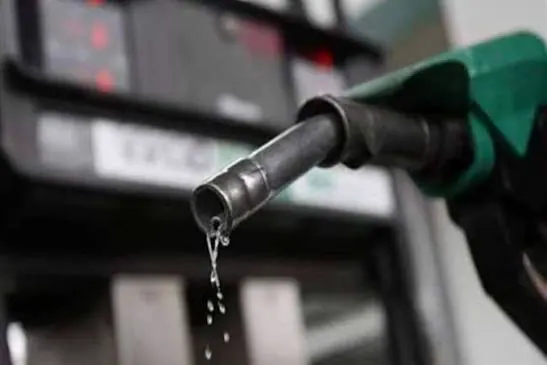
The recent increase in petrol prices has sparked worry among residents of the Federal Capital Territory (FCT), Abuja, as transport fares and household expenses skyrocket. As of September 12, Dangote Petroleum Refinery's petrol gantry price has been increased to N1,350 per litre, marking the fourth upward review since August 21. This surge has triggered a chain reaction, with filling stations across the FCT adjusting their pump prices.
A survey conducted by the News Agency of Nigeria (NAN) in Abuja revealed that MRS outlets were selling petrol at N1,395 per litre, while NIPCO outlets sold at N1,430 and Mobil outlets at N1,400. Some filling stations were selling the product at prices approaching N1,450 per litre, depending on location and supply costs. Motorists and commuters have expressed concern over the impact of the price hike on their daily lives.
The price increase has come at a challenging time for families, with academic activities resuming and households struggling to cope with the rising cost of living. Udoh Daniel, a motorist in Abuja, described the latest increase as unbearable, citing the strain on household finances. He noted that the continuous price hikes were making it difficult for motorists to maintain their vehicles while meeting other financial obligations.
The impact of the price hike is also being felt by commuters, with transport fares increasing on some routes within Abuja and its suburbs. Commuters travelling from satellite towns to the city centre now spend more on daily transportation, with fares rising from N1,000 to N1,200 on some routes. This increase could translate into thousands of naira in extra monthly expenses for workers commuting to Abuja every weekday.
Transport workers have expressed concern that higher fuel costs are reducing their daily earnings, as a larger proportion of their revenue is being spent on petrol. A taxi driver, Salem Ogbe, said operators were caught between increasing fares to cover rising costs and protecting passengers from additional financial pressure. He noted that drivers could not increase fares every time petrol prices rose, as passengers were also struggling with higher living costs.
The price hike has also raised concerns among traders and small business operators, who fear that higher transportation costs could increase the cost of moving goods from markets and distribution centres. Some business owners have noted that they may have to increase the prices of their goods to offset higher transportation expenses. Economic experts have warned that rising transportation and production costs could eventually feed into the prices of food and other essential commodities.
Motorists and transport operators have urged stakeholders in the petroleum sector to work toward greater stability in petrol prices to enable households and businesses to plan their finances. The latest adjustment represents the fourth upward review of Dangote Refinery's petrol gantry price since August 21, bringing the cumulative increase to N185 within the period. As motorists and commuters adjust to the latest increase, transport workers warn that further rises in petrol prices could place additional pressure on fares and the already stretched finances of passengers.
Key points
- The petrol price increase has sparked concern among residents of Abuja, with transport fares and household expenses rising.
- The price hike has come at a challenging time for families, with academic activities resuming and households struggling to cope with the rising cost of living.
- Motorists and transport operators have urged stakeholders to work toward greater stability in petrol prices to enable households and businesses to plan their finances.