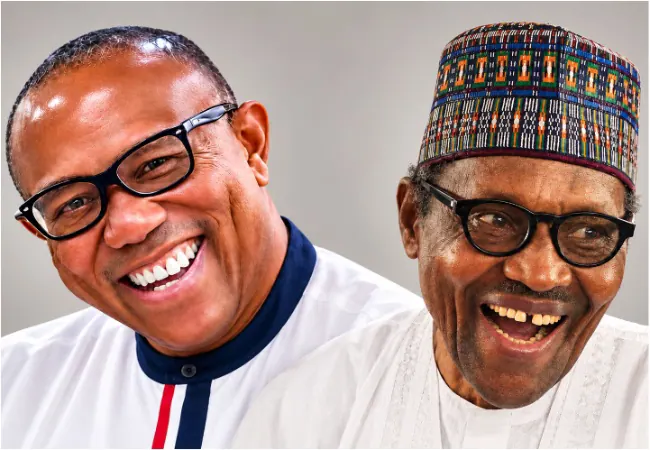
Nigerian politician Peter Obi has sparked controversy with his recent promise to restore fuel subsidy if elected. At a town hall meeting in Sokoto on September 28, Obi stated that removing corruption would enable the government to bring back the subsidy. This pledge has raised concerns among Nigerians, who recall a similar promise made by President Muhammadu Buhari in 2015. Buhari's administration had removed the subsidy, citing corruption and inefficiencies in the system.
Obi's promise has been met with skepticism, with many questioning the feasibility of the plan and its potential impact on the economy. In August, Obi had defended the removal of subsidy at the Nigerian Bar Association conference in Port Harcourt, arguing that mismanagement of savings was no justification for reversing the policy. However, a month later, he promised to restore the subsidy, citing the need to remove corruption. Critics argue that Obi's proposal lacks clarity and a clear policy framework.
The issue of corruption in Nigeria is a complex one, and Obi's promise to remove it has been questioned by many. During Buhari's presidency, Nigeria's Corruption Perceptions Index score improved marginally, from 26 out of 100 in 2015 to 24 in 2022. However, this improvement has not translated into tangible results, with many Nigerians still experiencing the effects of corruption in their daily lives. Obi's promise to remove corruption has been seen as overly simplistic, with many arguing that it requires a more nuanced approach.
Experts have pointed out that corruption in Nigeria is a deep-seated issue that cannot be solved by a single individual or policy. According to them, it requires a comprehensive approach that involves building strong institutions, improving transparency, and ensuring accountability. Singapore's anti-corruption framework, which consists of laws, enforcement, adjudication, and public administration, has been cited as an example of a successful approach. However, critics argue that Nigeria's context is different, and a one-size-fits-all solution may not work.
The economic implications of Obi's promise are also significant. The World Bank's June 2023 Nigeria Development Update reported that petrol subsidy spending in 2022 was ₦4.5 trillion, or 2.2 per cent of GDP. The report also noted that the poorest 40 per cent of Nigerians received less than three per cent of the subsidy directly. Critics argue that Obi's proposal does not provide a clear solution to the economic challenges posed by the subsidy, and that a more targeted approach may be needed to support vulnerable households.
Obi's critics also argue that his proposal creates an obligation for the incumbent government to ensure that savings from subsidy removal are traceable into public benefits. They argue that Nigerians experiencing hardship do not benefit from improved fiscal accounting, and that reform needs a credible account of who bears its costs and who receives its gains. The debate around Obi's promise highlights the complexities of addressing corruption and economic challenges in Nigeria.
The incumbent government has a responsibility to ensure that any savings from subsidy removal are used to benefit vulnerable households. The government must provide a clear account of how it plans to use these savings and ensure that they are used to support those who need them most. Ultimately, the debate around Obi's promise highlights the need for a comprehensive approach to addressing corruption and economic challenges in Nigeria, one that involves building strong institutions, improving transparency, and ensuring accountability.
Key points
- Peter Obi's promise to restore fuel subsidy if elected has sparked debate in Nigeria, with many questioning the feasibility of the plan and its potential impact on the economy.
- Obi's proposal lacks clarity and a clear policy framework, and critics argue that it oversimplifies the issue of corruption in Nigeria.
- The economic implications of Obi's promise are significant, and a more targeted approach may be needed to support vulnerable households.