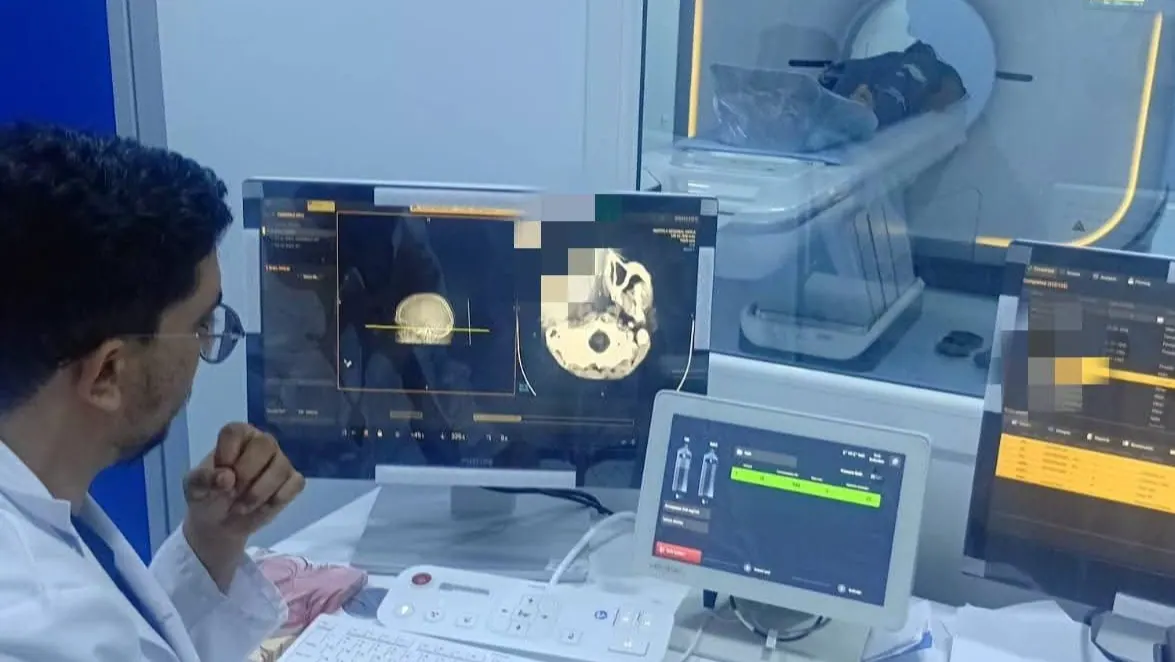
Tunisia's healthcare system is set to expand remote breast imaging services to six interior regions, including Tozeur, Jendouba, Bajah, Silyanah, Gabes, and Medenine, by the end of 2026. This move aims to improve access to specialized diagnosis for women in these regions. According to Habiba Meizouni, head of the medical imaging department at the Ribat Hospital, the project involves connecting breast imaging devices in these regions to the digital hospital system. This will enable medical images to be transmitted electronically to specialized radiologists for reading and reporting.
The initiative is part of a broader strategy to address the shortage of specialized medical personnel in interior regions. Meizouni noted that while all regional hospitals have been equipped with necessary medical imaging devices, including scanners, MRI machines, and mammography units, they still face a shortage of skilled personnel to interpret these tests. The remote imaging project, launched in Tozeur, has already shown promising results, reducing waiting times and eliminating the need for patients to travel to the capital or university hospitals for specialized diagnosis.
The digital hospital project, launched on August 23, 2025, is a key component of Tunisia's healthcare strategy, aiming to digitize the sector and develop telemedicine services. The project enables remote medical imaging, allowing images to be transmitted electronically to specialized radiologists for interpretation and reporting. This includes computed tomography scans, magnetic resonance imaging, and breast imaging.
Meizouni emphasized that the expansion of remote breast imaging services is crucial for early detection of breast cancer. The project supports efforts to improve access to specialized diagnosis for women in interior regions, reducing the need for travel to urban areas. By connecting regional hospitals to the digital hospital system, patients can receive timely and accurate diagnoses.
The remote imaging project has already demonstrated its effectiveness in reducing waiting times and improving patient outcomes. By leveraging technology, Tunisia's healthcare system can bridge the gap in specialized medical services between urban and rural areas. The project is expected to have a significant impact on women's health in interior regions.
According to Meizouni, the Ministry of Health is working to expand remote medical imaging services to include breast imaging, supporting efforts to detect breast cancer early and improve diagnosis for women in interior regions. The project is a key component of Tunisia's healthcare strategy, aiming to improve access to specialized medical services and reduce disparities in healthcare.
The expansion of remote breast imaging services is a significant step towards improving women's health in Tunisia. By investing in technology and digital healthcare infrastructure, the country can enhance access to specialized diagnosis and treatment, ultimately improving health outcomes for women in interior regions. The project is expected to be completed by the end of 2026.
Key points
- Remote breast imaging services to be implemented in six interior regions by 2026.
- Project aims to improve access to specialized diagnosis for women in interior regions.
- Initiative is part of Tunisia's broader strategy to digitize healthcare and develop telemedicine services.