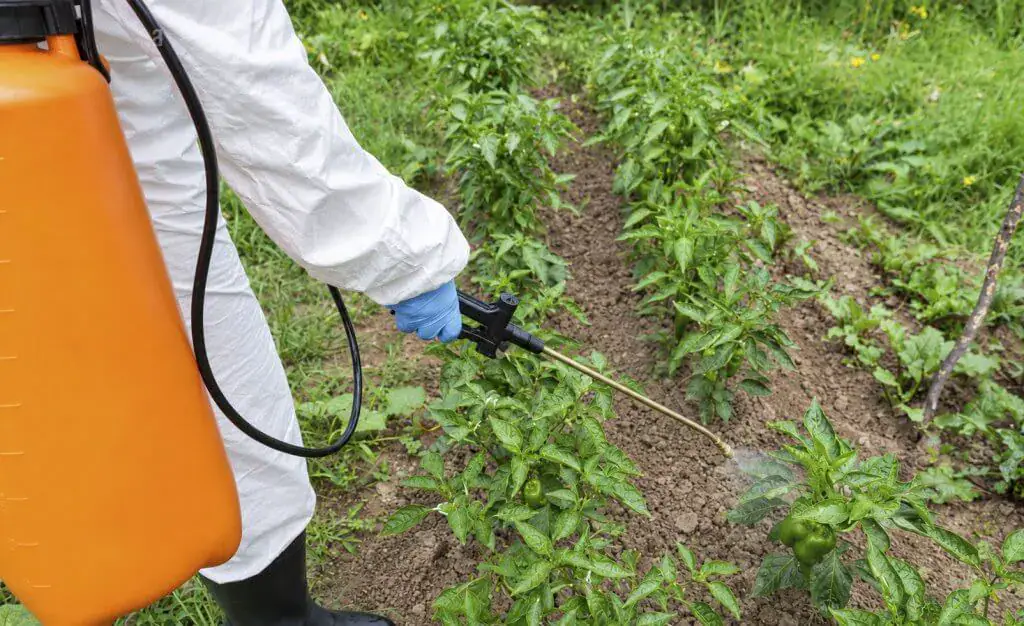
A recent report has highlighted the alarming use of pesticides in Mauritius' agricultural sector, with many farmers using toxic chemicals to control pests and diseases. According to the report, a piment from a local farm contains 317 times the legal limit of poison, while cresson, a popular leafy green, contains five different toxins. These chemicals are not only harmful to human health but also contaminate water sources, posing a risk to aquatic life.
The use of pesticides is widespread in Mauritius, with many farmers using them to increase crop yields and reduce losses. However, the lack of regulation and oversight has led to the misuse of these chemicals, with some farmers using them excessively and without proper protective gear. The report cites an example of a farmer who uses 100 liters of poison on his farm, which is enough to contaminate an entire village.
The consequences of pesticide use in Mauritius are severe, with many people suffering from health problems related to exposure to these toxins. The report notes that cancer, kidney damage, and liver disease are common health issues in the country, and that the use of pesticides is a significant contributor to these problems. Furthermore, the country's water sources are also contaminated, with 21% of water samples testing positive for pesticides.
The Dangerous Chemicals Control Board (DCCB) and the Pesticides Regulatory Office are responsible for regulating the use of pesticides in Mauritius. However, the report notes that these agencies are not doing enough to address the problem, with the DCCB issuing permits for the importation of banned pesticides and the Pesticides Regulatory Office only testing a small percentage of produce for toxins.
The report also highlights the hypocrisy of some farmers, who use pesticides on their commercial crops but grow their own organic produce for personal consumption. This double standard is a clear indication that the use of pesticides is driven by profit rather than a desire to produce healthy food. Ravi Rambujoo of Farmbasket, a local organization that promotes sustainable agriculture, notes that many farmers are using pesticides to make quick cash, without regard for the long-term consequences.
The impact of pesticide use in Mauritius extends beyond the country's borders, with tourists and international visitors being exposed to contaminated produce. The report notes that a Google search for "Mauritius food safe" yields alarming results, including reports of high pesticide residues in local produce. This can have serious consequences for the country's tourism industry, which is a significant contributor to the economy.
To address the problem of pesticide use in Mauritius, the report recommends that the government takes immediate action to regulate the use of these chemicals, including banning the importation of banned pesticides and increasing testing of produce for toxins. Additionally, the report calls for farmers to be held accountable for their actions, and for consumers to be educated about the risks associated with pesticide use. The article concludes that it is time for the people of Mauritius to take action and demand change.
Key points
- The use of pesticides in Mauritius is driven by profit rather than a desire to produce healthy food.
- The lack of regulation and oversight has led to the misuse of pesticides in Mauritius.
- The consequences of pesticide use in Mauritius are severe, with many people suffering from health problems related to exposure to these toxins.