A growing trend among young women in Kenya is the reliance on emergency contraceptive pills, commonly known as P2, to prevent unplanned pregnancies. This pill is often taken without fully understanding its proper use, alternatives, or potential side effects. The convenience, affordability, and peer advice have made it an attractive option for many. Health professionals have expressed concerns about the gaps in reproductive health knowledge and counselling.
According to Ashley Akinyi, a pharmacist with over seven years of experience, young women's reluctance to seek professional advice and their limited understanding of available contraceptive methods contribute to this trend. Akinyi notes that P2 is relatively cheaper and more convenient than regular contraceptive methods, as it does not require daily use at a specific time. This convenience has led to an 80% rise in demand for emergency contraceptive pills among young women, often without proper consultation on usage, precautions, and side effects.
Akinyi observes that, unlike in the past, many young women now walk into pharmacies knowing what they want, with only a few asking questions about when to take the pills. However, she questions whether this familiarity translates to a proper understanding of the medication's limitations and the importance of considering other contraceptive options. Some young women even buy these pills multiple times a week, becoming irritated when counselled about potential side effects.
The reliance on peer advice is illustrated by the case of a 17-year-old girl who bought P2 after learning about it from a friend. This incident highlights how reproductive health decisions among young people can be shaped by information from peers rather than professional medical guidance. Akinyi emphasizes that young women need to understand the distinction between emergency contraception and regular contraceptive methods designed for ongoing pregnancy prevention.
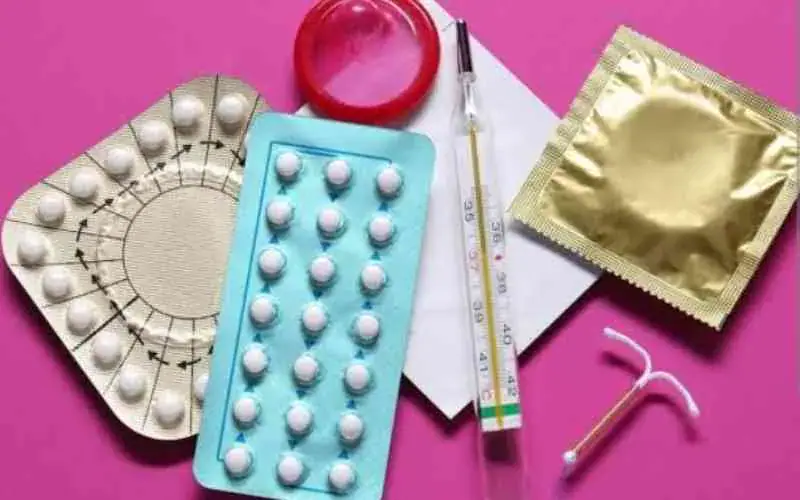
Alternatives to emergency contraception include injectable contraceptives, daily oral contraceptive pills, implants, intrauterine devices, contraceptive patches, and condoms. These options can be discussed with qualified health professionals to determine the most suitable choice for an individual. Akinyi also cautions that contraceptive methods used to prevent pregnancy do not protect against sexually transmitted infections, including HIV.
Joyce Wanja, a 25-year-old, shares her experience of relying on information from peers before switching to daily Microgynon pills. Wanja emphasizes the importance of professional guidance before starting or changing a contraceptive method, as what works for one woman may not be suitable for another. She attributes poor reproductive health decisions among young women to fear of consulting healthcare professionals.
Obstetrician and gynaecologist Prof Magembe Otara confirms that gaps in reproductive health knowledge persist, particularly among teenagers and young people who lack access to accurate information. Otara notes that many young people focus on preventing unintended pregnancies while overlooking the risk of sexually transmitted infections, including HIV. He explains that emergency contraceptive pills are intended for use after unprotected sex or contraceptive failure, rather than as a routine method of pregnancy prevention.
Key points
- Young women in Kenya are increasingly relying on emergency contraceptive pills without proper understanding or professional guidance.
- The trend is driven by convenience, affordability, and peer advice, raising concerns about gaps in reproductive health knowledge and counselling.
- Health professionals emphasize the importance of understanding the distinction between emergency contraception and regular contraceptive methods, as well as the need for professional guidance in reproductive health decisions.
Reporting sources
- Peer advice fuels young women's reliance on emergency pills · The Standard