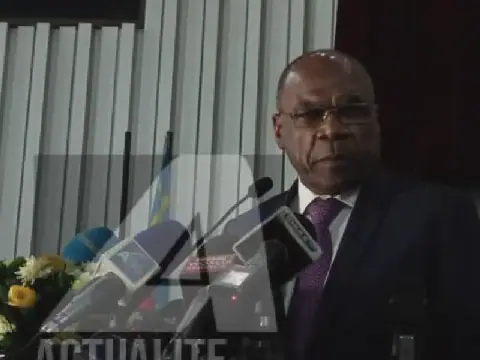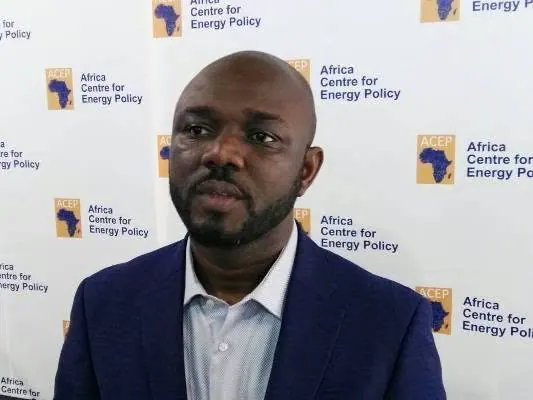
The Ghanaian government has been advised to exercise greater due diligence and transparency in future state transactions, following the termination of the Power Distribution Services (PDS) agreement in 2019. Experts, including the Executive Director of the African Centre for Energy Policy (ACEP), Mr. Benjamin Boakye, the Country Manager of the Natural Resource Governance Institute, Mr. Patrick Stephenson, and a lecturer at the Ghana Law School, Mr. Bobby Banson, have stressed that the mistakes associated with the deal should not be repeated.
The termination of the PDS agreement has cost Ghana financially, with the experts arguing that the country could have derived significant benefits from the agreement if proper due diligence had been conducted. They made these comments during an online discussion on Sunday, examining who failed the country in relation to the PDS agreement. The resource persons questioned the basis for the arrest of some persons involved in the agreement as the government seeks to recover monies it says are owed to the Electricity Company of Ghana (ECG).
According to Mr. Boakye, the transaction could have been salvaged if the national interest had been focused on addressing ECG's losses and ensuring that the company properly accounted for power supplied to it. He described the failure of the agreement as regrettable, saying significant work had been undertaken to improve the power distribution sector through the deal. Mr. Boakye also highlighted the government's decision to recognise PDS as a private company responsible for providing certain demand guarantees, including an insurance guarantee, as problematic.
Mr. Stephenson noted that the state had incurred significant costs due to weak due diligence in public transactions and called for robust pre-contract engagement, greater transparency, and stronger public institutions in major state agreements. The experts also questioned the basis of the investigation into the alleged GH¢815 million owed ECG, saying the essential aspects of the agreement had already been resolved.
Mr. Banson suggested that the matter could become one for civil rather than criminal determination and urged the state to pursue a civil suit if it sought to recover the amount. He also called on the Attorney-General to recuse himself from any ongoing investigation, citing his previous representation of ECG during the arbitration process and the need to avoid a potential conflict of interest.
An international arbitration tribunal had found no fraudulent act in relation to the terminated agreement, the experts noted. They argued that the substantive issues surrounding the agreement had already been dealt with at the tribunal. The government has been urged to learn from the PDS agreement and ensure that similar mistakes are not repeated in future state transactions.
The experts' comments come as the government seeks to recover monies it says are owed to ECG. The PDS agreement was terminated in 2019, and the government has since been seeking to address the issues that led to its termination. The online discussion was held to examine the circumstances surrounding the agreement and who failed the country in relation to the deal.
Key points
- Experts urge Ghana gov't to exercise greater due diligence and transparency in future state transactions
- PDS agreement termination has cost Ghana financially
- Govt urged to pursue civil suit to recover alleged GH¢815 million owed ECG