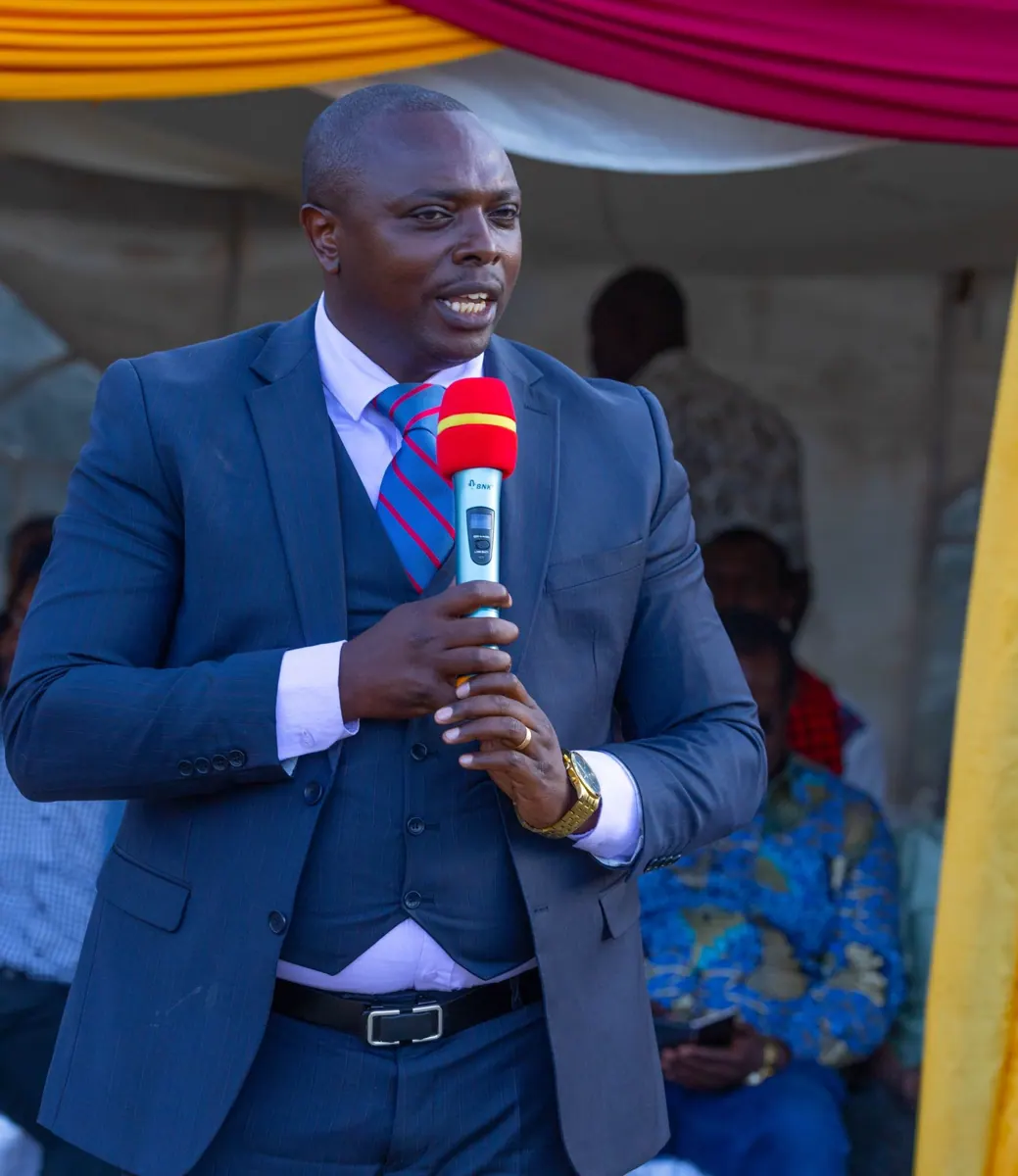
Kenyan development adviser Paul Waiganjo has resigned from his position as President William Ruto's adviser on development matters, effective September 25, 2026. Waiganjo, a gospel musician-turned-politician, announced his resignation during a press briefing in Nairobi. He cited limitations within the role that prevented him from delivering the impact he had envisioned. Waiganjo had been serving in the position since his appointment on May 28, 2026, based at State House Nairobi under the Office of Programmes and Special Projects.
Waiganjo stated that he had spent time reflecting on the structure of his office and its ability to address challenges he encountered across the country, particularly in his home county of Nyandarua. He consulted local clergy, professionals, entrepreneurs, and young people before deciding to leave government. According to Waiganjo, a significant gap existed between the responsibilities attached to his advisory position and the development needs he had hoped to address. This mismatch led him to question the effectiveness of his role.
Waiganjo expressed concerns about the challenges affecting public services and households, including critical resource shortages in local hospitals and high school dropout rates due to delayed capitation. He also raised issues about statutory deductions affecting workers and economic pressure on businesses. Waiganjo stated that he could not continue holding a mandate he believed he was unable to meaningfully execute. He tendered his resignation at 3 p.m. on September 25, 2026.
Before his appointment as development adviser, Waiganjo had expressed interest in the Ol Kalou parliamentary seat. He had been involved in the political contest surrounding the seat before leaving the Democracy for the Citizens Party (DCP). Waiganjo subsequently joined the ruling United Democratic Alliance (UDA) camp. His appointment as development adviser was announced in June during a church service in Ol Kalou.
Waiganjo had hoped to contribute to development programmes, including school construction, hospital upgrades, borehole drilling, street lighting, and job creation. However, his consultations in Nyandarua highlighted challenges such as inadequate roads, unreliable electricity, post-harvest losses, and limited value addition in agriculture. These challenges restricted the county's ability to maximise its agricultural potential.
Waiganjo's resignation marks a return to the political arena for a figure whose move from gospel music into government had placed him inside the State House advisory structure. He used his resignation address to speak about the 2027 political contest and urged voters in the Mt Kenya region to register as voters if they want to influence the outcome. Waiganjo declared his opposition to a second Ruto term, citing the region as part of a "one-term movement".
Waiganjo did not announce a specific political position he intends to pursue following his resignation. However, his remarks suggested that he remains focused on Nyandarua and could seek an elective position in the future, including a possible return to the Ol Kalou parliamentary race or another county-level position. The impact of his resignation on the development agenda in Nyandarua and the broader Kenyan political landscape remains to be seen.
Key points
- Paul Waiganjo resigned as President Ruto's development adviser due to limitations in the role.
- Waiganjo cited challenges in public services and households, including resource shortages and high dropout rates.
- His resignation marks a return to the political arena, with possible future elective positions in Nyandarua.