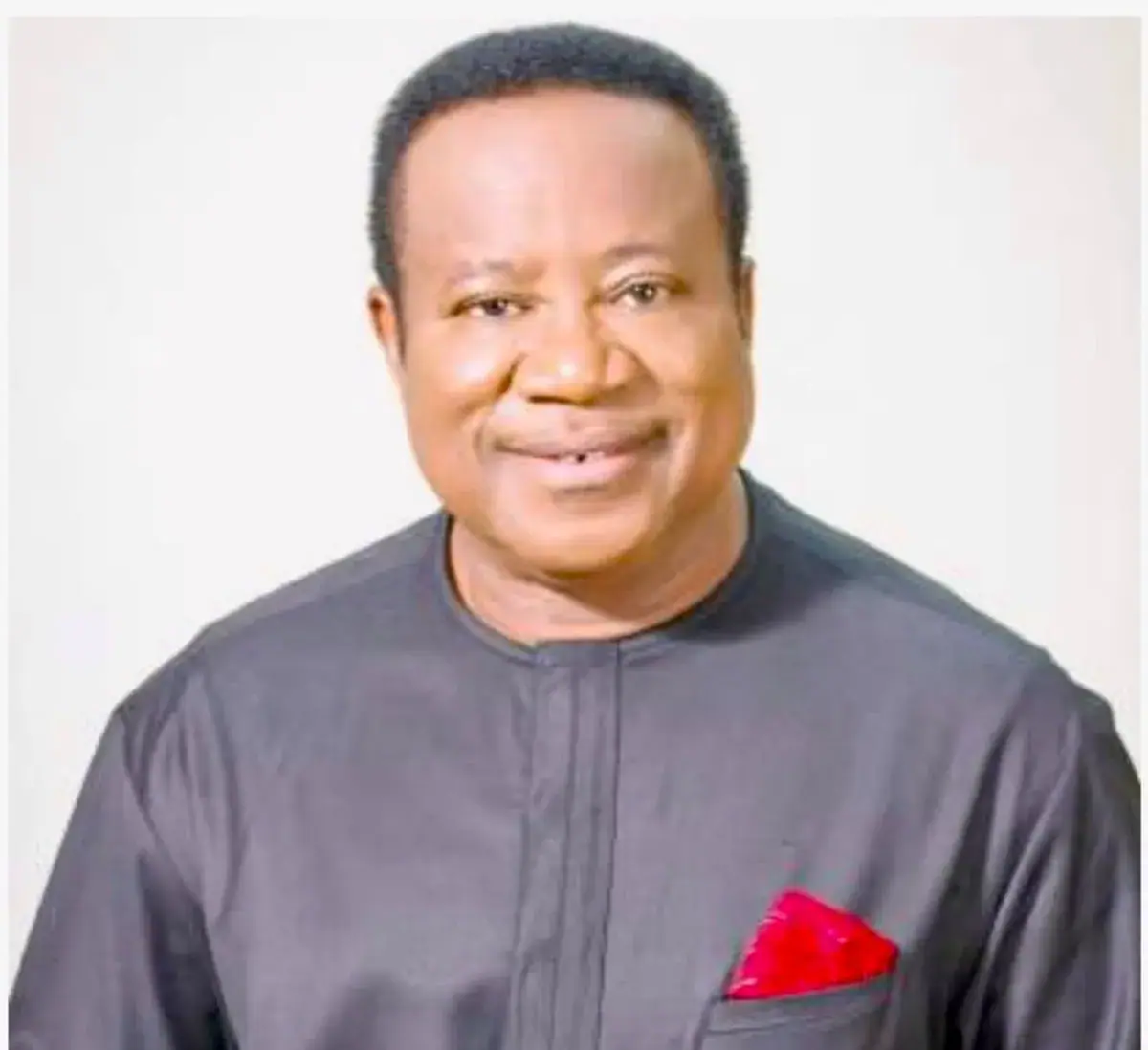
Pastor Femi Emmanuel, founder of Living Spring Chapel International and National Director of Politics and Governance of the Pentecostal Fellowship of Nigeria (PFN), has called on the church to wake up to its responsibility in the affairs of the country. He believes that the church has a large Christian population and enormous human resources that can influence the direction of Nigeria. However, Christians have largely surrendered the political space to people who do not necessarily share their aspirations for the country.
According to Pastor Emmanuel, obtaining a Permanent Voter Card (PVC) is only one aspect of political participation. He emphasizes that Christians must be involved in political parties, attend ward meetings, and participate in the process through which candidates emerge. If they wait until election day, they may discover that the people they are expected to vote for have already been selected by a structure they never participated in.
Pastor Emmanuel argues that the church community has contributed to the political situation in Nigeria by imprisoning its members through doctrines and teachings that politics is evil and dirty. He challenges pastors to conduct a simple assessment of their members' political participation, asking how many have voters' cards, party membership cards, and regularly participate in ward meetings. He believes that the church cannot isolate itself from decisions about education, security, the economy, healthcare, and other matters that affect the lives of its members.
Pastor Emmanuel disagrees with Christian leaders who argue that politics is dirty and that the church should concentrate on spiritual matters. He believes that politics is about people, leadership, resources, and the decisions that affect everyday lives. The church's responsibility is not just to pray for its members but also to prepare them to become responsible citizens who can contribute to society.
Pastor Emmanuel suggests that Christians should obtain party membership cards and become active at the grassroots level. He emphasizes that the ward is the nucleus of the political structure, where party activities take place, and where delegates emerge to participate in the selection of candidates. If credible Nigerians are absent from that process, they will continue to be excluded from the decision-making process.
Pastor Emmanuel describes the situation as "political colonisation," where politicians have taken over the structures through which leadership emerges, particularly at the ward level. He challenges patriotic Nigerians, especially the youths and the Christian community, to go to the grassroots level and participate in the political process. He advocates for a revolution of the mind, not a violent uprising, but a deliberate and determined effort to take responsibility for the society God has entrusted to them.
Pastor Emmanuel's call for a revolution is not about violence but about being deliberate, determined, and courageous in taking responsibility for the society. He emphasizes that the church must provide moral direction and encourage its members to participate in governance, producing people who are God-fearing, patriotic, and committed to the development of Nigeria.
Key points
- Church leaders must change their teachings on politics and governance to encourage more Christian participation.
- Christians must be involved in political parties and participate in the process through which candidates emerge.
- The church cannot isolate itself from decisions about education, security, the economy, healthcare, and other matters that affect the lives of its members.
Reporting sources
- Politics is not dirty — Pastor Femi Emmanuel · Nigerian Tribune