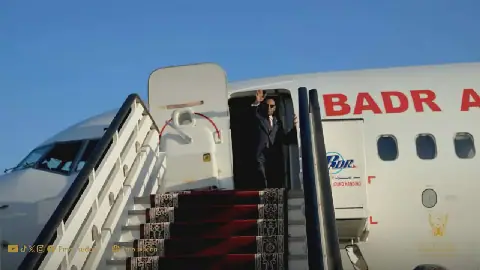
As Mauritania commemorates its independence anniversary, the nation is faced with critical questions about its development trajectory. The country's rich natural resources, including vast coastlines, fertile lands, and mineral deposits, provide a solid foundation for growth. However, despite these advantages, Mauritania's progress has been hindered by various factors. The nation's human capital, a crucial element in driving development, requires significant investment to unlock its full potential.
The concept of development encompasses not only economic growth but also social and human progress. In this regard, Mauritania can draw lessons from other nations that have successfully leveraged their resources to achieve remarkable growth. For instance, Japan and some Asian countries have prioritized education and human development, resulting in impressive economic strides. These nations' experiences serve as a testament to the importance of investing in human capital and adopting a long-term vision for development.
A critical component of Mauritania's development is its values and institutional framework. The nation's cultural and Islamic heritage emphasizes the importance of justice, equality, and accountability. By upholding these values and promoting a culture of transparency and good governance, Mauritania can create an enabling environment for growth and development. Furthermore, the country's leadership and institutions must work in tandem to drive progress and ensure that the benefits of development are equitably distributed.
One of the significant challenges facing Mauritania is the need to stimulate economic activity and create jobs. The country's reliance on imports and consumption has resulted in a significant strain on its resources and infrastructure. To address this challenge, the government and private sector must collaborate to promote entrepreneurship, innovation, and investment in key sectors such as agriculture, industry, and services. By fostering a culture of production and entrepreneurship, Mauritania can reduce its dependence on imports and create sustainable economic growth.
The role of the military in Mauritania's development is also a topic of discussion. Historically, armies have played a crucial role in times of crisis, and some nations have leveraged their military capabilities to drive development. In Mauritania's case, the military could potentially contribute to the nation's growth by participating in development initiatives, such as infrastructure projects, agricultural development, and disaster response. However, this would require careful consideration of the military's role and the need to prioritize civilian-led development initiatives.
Another critical aspect of Mauritania's development is its relationship with the private sector. The country's entrepreneurs and business leaders have a vital role to play in driving growth and creating jobs. By promoting a favorable business environment, providing access to finance and markets, and encouraging innovation and entrepreneurship, the government can help unlock the private sector's potential and drive sustainable economic growth.
Ultimately, Mauritania's development will depend on its ability to harness its resources, prioritize human development, and promote a culture of accountability, transparency, and good governance. The nation's progress will also require a collective effort from its citizens, leaders, and institutions. By working together and embracing a long-term vision for development, Mauritania can overcome its challenges and achieve its aspirations for a brighter future.
Key points
- Investment in human capital is crucial for Mauritania's development.
- Promoting a culture of accountability, transparency, and good governance is essential for growth.
- The private sector has a vital role to play in driving sustainable economic growth.
Reporting sources
- في ذكرى عيد الاستقلال: هل نمتلك مقوّمات النهوض؟ · Al Akhbar