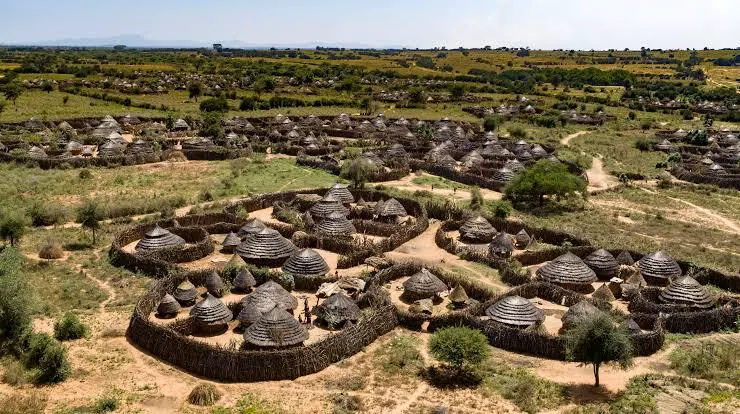
The Ugandan parliament has raised concerns over the financing and accountability framework for the proposed 15.1 trillion-shilling, 10-year Karamoja Regional Development Plan. The plan, covering the financial years 2025/26 to 2034/35, aims to transform Karamoja from a predominantly nomadic and agro-pastoralist society into a more settled and commercially productive region. The plan's implementation will depend on the availability of projected financial resources.
Minister for Karamoja Affairs John Baptist Lokii and his junior minister, Esther Anyakun, recently appeared before the Parliamentary Committee on Presidential Affairs to discuss the plan. However, MPs questioned whether the government had established what happened to previous investments in the region and why some interventions failed to deliver lasting results. The committee is seeking greater clarity on how the proposed investments will be financed, monitored and accounted for.
The proposed financing framework for the plan indicates that 55 percent of the funding is expected from the Government of Uganda, 3.8 percent from locally raised revenue, 17.4 percent from external support, 23.7 percent from the private sector, and 0.7 percent from civil society organisations and academia. Oyam South MP Patrick Obura has asked the ministry to provide a detailed breakdown of the 15.1 trillion shillings, rather than presenting the funding as a broad pool expected from various sources.
Minister Lokii outlined several flagship investments under the plan, including a proposed 7.2-kilometre man-made lake at Lopei, as directed by President Yoweri Museveni. Other proposed projects include bulk water transfer from Lake Bisina, indigenous seed production, livestock processing facilities, industrial parks, education and health infrastructure, electrification and road development. The plan seeks to transform Karamoja's economy and improve the livelihoods of its residents.
The parliamentary committee is seeking lessons from previous interventions in Karamoja before the new 10-year programme is rolled out. MPs want to know what happened to previous investments in the region and why some interventions failed to deliver lasting results. This information will help the committee assess the feasibility of the proposed plan and ensure that it is implemented effectively.
The Karamoja Regional Development Plan is a significant initiative aimed at transforming the region's economy and improving the livelihoods of its residents. The plan's success will depend on effective financing, monitoring and accountability mechanisms. The parliamentary committee's scrutiny of the plan is crucial in ensuring that it is implemented in a transparent and accountable manner.
The implementation of the Karamoja Regional Development Plan will require close collaboration between the government, local authorities, development partners, the private sector and civil society organisations. The plan's success will also depend on the availability of projected financial resources and the effective management of these resources. Key issues to be addressed include the detailed breakdown of funding and lessons from previous interventions in Karamoja.
Key points
- The Ugandan parliament has raised concerns over the financing and accountability framework for the proposed 15.1 trillion-shilling Karamoja development plan.
- The plan aims to transform Karamoja from a predominantly nomadic and agro-pastoralist society into a more settled and commercially productive region.
- The parliamentary committee is seeking greater clarity on how the proposed investments will be financed, monitored and accounted for.