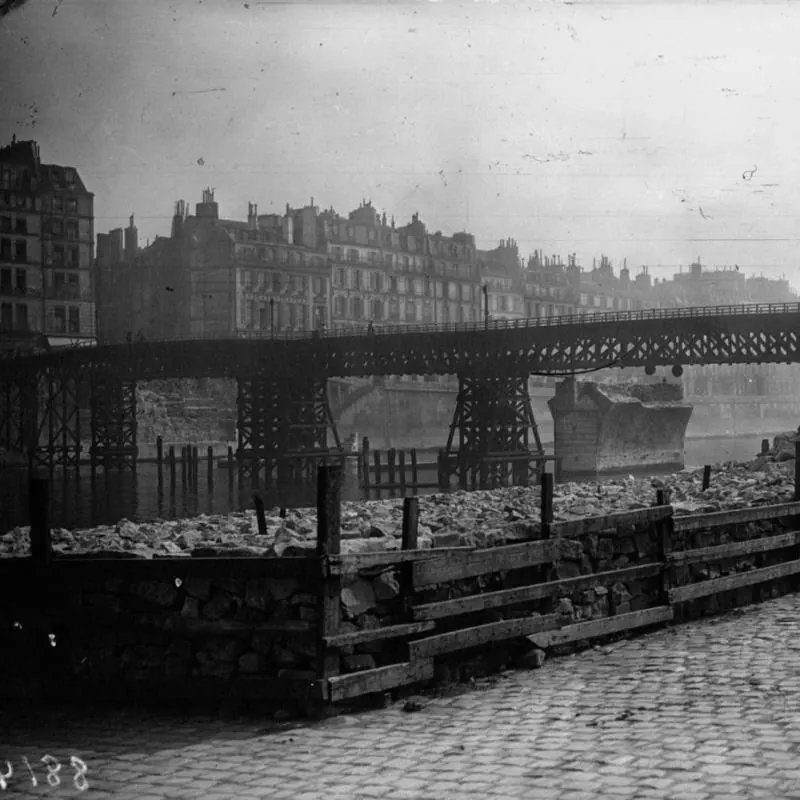
France experienced an unusual early heatwave in May 1892, catching the nation off guard. The sudden rise in temperature, with 32 degrees recorded in Paris, led to concerns about the impact on public health. In response, Le Gaulois newspaper published a dialogue between two Parisians offering advice on how to cope with the heat. The conversation, which took place on May 28, provided a mix of humor and practical tips for surviving the heatwave.
The dialogue highlighted the unpredictability of the weather, with one character citing previous instances of high temperatures in Paris, including 38.4 degrees on July 9, 1874, and 40 degrees on August 26, 1769. The characters also discussed the importance of taking precautions to protect oneself from the sun, such as wearing a hat and avoiding strenuous activities during the hottest part of the day. While the conversation was lighthearted, it also reflected a growing awareness of the need to take care of one's health during periods of extreme weather.
One of the characters, who claimed to be a philosopher, suggested that people should learn to live with the heat and not let it disrupt their daily lives. He recommended "forgetting" the heat and continuing with one's usual activities, much like a Marseillais who advises someone with a toothache to ignore it. However, he also acknowledged that the heat could be a serious threat to public health, particularly for those who were not accustomed to it.
The dialogue also touched on the importance of clothing in coping with the heat. One character recommended wearing flannel undergarments to help regulate body temperature and prevent heat-related illnesses. He also suggested that people should not abandon their usual clothing habits too quickly, as this could lead to problems when the temperature dropped suddenly.
The conversation also highlighted the importance of staying hydrated, but with moderation. One character warned against overindulging in cold drinks, suggesting that people should stick to their usual eating and drinking habits. He also noted that people who worked outdoors, such as farmers, were often better adapted to coping with the heat, as their bodies were able to sweat more easily.
The article also referenced the work of hygienists, who were studying the impact of heat on public health. One character mentioned that some experts recommended taking a "disdainful" approach to the heat, essentially ignoring it and continuing with daily life as usual. However, he also acknowledged that this approach might not be practical for everyone, particularly those who were more vulnerable to heat-related illnesses.
Overall, the dialogue published in Le Gaulois offered a mix of humor, practical advice, and insight into the challenges of coping with extreme weather in 19th-century Paris. While the tips offered may seem old-fashioned or even amusing to modern readers, they reflect a growing awareness of the need to take care of one's health during periods of extreme weather. The article provides a fascinating glimpse into life in Paris during the Belle Epoque era.
Key points
- Le Gaulois newspaper published a dialogue offering humorous and practical tips for Parisians to survive the early summer heatwave in 1892.