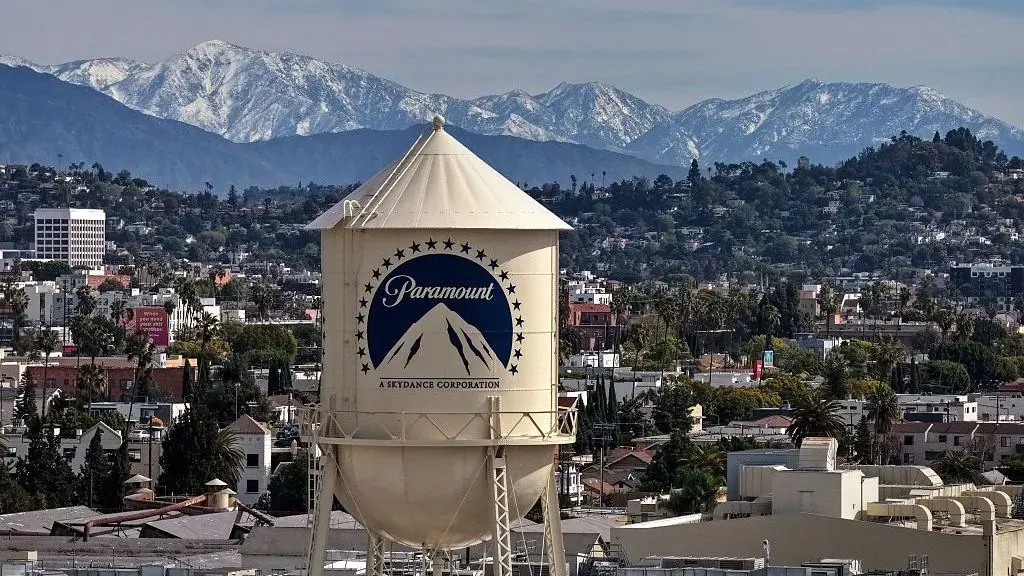
Paramount Skydance has reached a settlement with a dozen US states, resolving a lawsuit that had threatened to block its $110bn merger with Warner Bros Discovery. The agreement requires Paramount to produce at least 30 films a year, with a certain percentage made in the US, or face penalties including selling off parts of its business. This development paves the way for the merger, which is set to reshape Hollywood by combining legacy studios, major streamers, and national networks.
Under the terms of the settlement, Paramount has also agreed to establish an editorial independence board to oversee CBS News and CNN, the news network owned by Warner Bros Discovery. The board must be set up within 180 days of the merger completing and must include five acting or retired journalists with at least a decade of experience. This move aims to ensure independent, objective, fact-based reporting at CNN and CBS.
The settlement was announced by California Attorney General Rob Bonta, who emphasized that the agreement was "not a vote of support for this merger". Paramount's chief executive David Ellison welcomed the resolution, stating that the company now has complete clearance for the merger and looks forward to putting these commitments into action. Ellison also sought to reassure people that editorial independence would be maintained after the merger.
The Writers Guild of America (WGA) had also filed a lawsuit against Paramount, but was forced to settle due to limited resources. As part of the deal, Paramount has agreed to pay $17.5m into the WGA health fund, cover legal fees, and prohibit writer layoffs at CBS News Broadcast for five years. However, the WGA continues to believe that the deal "will cause damage to writers and the industry at large".
The merger is expected to boost film production in the US, with Paramount committing to release at least 30 films each year. To prevent the studio from fulfilling its annual quota with low-budget or automated content, strict guardrails have been put in place against "AI-generated" films. If Paramount fails to meet its annual production quota, it will be forced to sell its 49% stake in Miramax.
The deal has received mixed reactions from industry experts. Ned Thorne, an LA-based film editor, described the merger as "a little unsettling", citing concerns about corporate overlap and redundancies. However, Bonta maintained that the merger would be a "job creator" that will put people back to work across the industry, with economic activity expected to increase by "$300m to $1.5bn more, at minimum, for film and TV production".
To ensure ongoing compliance with the settlement, Paramount has agreed to the appointment of an independent monitor. The company has also committed to ensuring 20% of all film production takes place in the US for the first two years, rising to over 30% over the following three years. The merger is set to have a significant impact on the entertainment industry, combining the resources and assets of Paramount and Warner Bros Discovery.
Key points
- Paramount has agreed to produce at least 30 films a year, with a certain percentage made in the US.
- The company will establish an editorial independence board to oversee CBS News and CNN.
- The merger is expected to boost film production in the US, with economic activity expected to increase by "$300m to $1.5bn more, at minimum, for film and TV production".