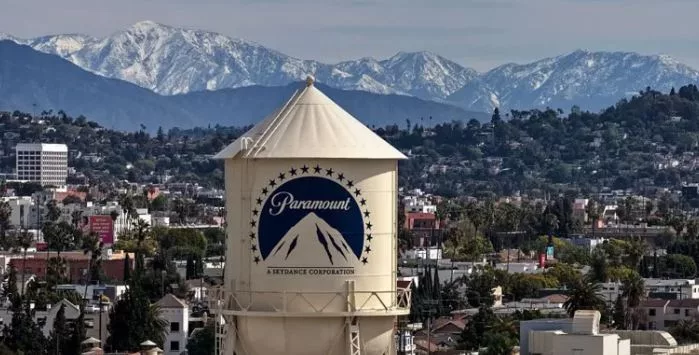
Paramount Skydance has settled a lawsuit with dozens of US states, clearing a major hurdle for its $110bn merger with Warner Bros Discovery. The deal was challenged by a coalition of states led by California, which had expressed concerns about the impact on competition in the film and television industry. California Attorney General Rob Bonta announced the settlement, stating that state officials had secured commitments to protect competition.
The settlement addresses concerns from state attorneys general and the Writers Guild of America (WGA). Paramount chief executive David Ellison welcomed the resolution, saying it would allow the company to move forward with the merger and serve consumers, workers, and the creative community. Ellison had previously threatened to move studio operations out of California if the lawsuit was not resolved.
As part of the settlement, Paramount will pay $17.5m into the WGA health fund, cover legal fees, and prohibit writer layoffs at CBS News Broadcast for five years. The studio has also agreed to release at least 30 films each year, with strict guardrails against "AI-generated" films. This ensures that Paramount will produce "real, robust movies" that generate economic activity and create jobs.
The merger is expected to boost film production in the US, with Bonta estimating that it will lead to "$300m to $1.5bn more, at minimum, for film and TV production" in the country. The deal's initial terms require Paramount to ensure 20% of all film production takes place in the US for the first two years, rising to over 30% over the following three years.
An independent monitor will be appointed to oversee Paramount's compliance with the settlement. While Ellison previously indicated that the merged company would keep its headquarters in California, this commitment was not written into the agreement. Bonta clarified that the settlement is not a vote of support for the merger, which still faces opposition from the WGA.
The WGA had expressed concerns that the deal would cause damage to writers and the industry at large. The guild was forced to settle its own lawsuit due to limited resources, but continues to believe that the merger will have negative consequences. Despite this, the settlement removes a significant hurdle for the merger, which is expected to create jobs and stimulate economic activity.
The coalition of states that challenged the merger included Arizona, Colorado, and New Jersey, in addition to California. The settlement is seen as a positive development for the film and television industry, with Bonta noting that it will help to put people back to work and generate economic activity. The merged company is expected to have a significant impact on the industry, with Paramount and Warner Bros Discovery combining their resources and expertise.
Key points
- Paramount settles lawsuit with US states, paving way for $110bn merger with Warner Bros Discovery
- Settlement addresses concerns about competition and film production, with Paramount committing to release at least 30 films per year
- Merger expected to boost film production in the US, generating "$300m to $1.5bn more, at minimum, for film and TV production"