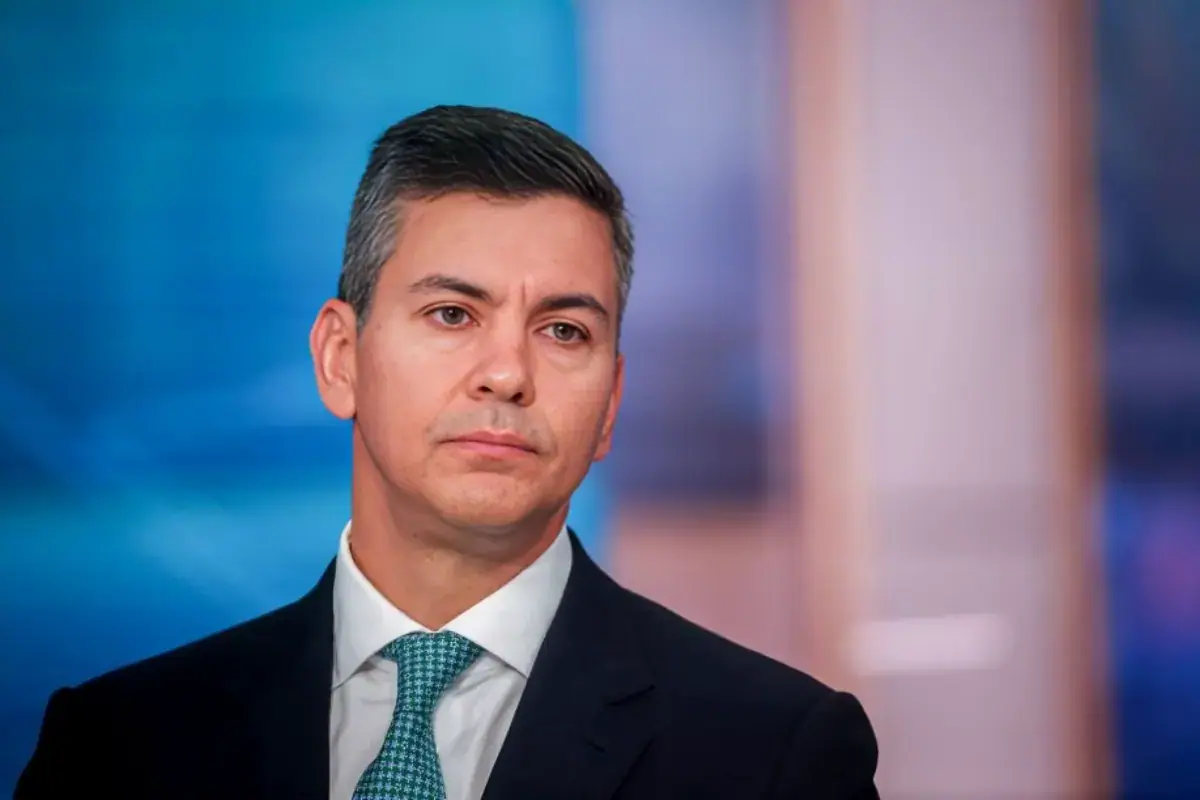
Paraguay has been plunged into a major political and financial crisis after President Santiago Peña resigned on Thursday, following mounting public anger over the collapse of Ueno Bank, a major digital lender with which he previously had business ties. Peña's resignation came as opposition lawmakers, protesters and influential members of his ruling Colorado Party intensified efforts to remove him over allegations of conflicts of interest, financial mismanagement and regulatory failures surrounding the troubled bank.
In a dramatic development, the country's lower house voted 78-0 to approve impeachment charges against the president shortly after he announced his resignation. The case was subsequently forwarded to the Senate, which is constitutionally empowered to determine whether to convict and remove him. The lawmakers proceeded with the impeachment vote despite Peña's resignation, while the Senate was also expected to consider the formal acceptance of his departure.
The crisis has exposed the vulnerability of millions of bank customers, with approximately three million people unable to access their accounts following the Central Bank of Paraguay's intervention in Ueno Bank. Announcing his resignation in a video message posted on X, Peña said his decision was guided by the need to protect national stability and democratic institutions. He also apologised to Paraguayans over the crisis but stopped short of accepting responsibility for the bank's collapse.
The president's resignation followed the withdrawal of support by influential figures within the ruling Colorado Party, including former president and party leader Horacio Cartes, who had previously been a major political ally. The party's congressional leadership also withdrew support, leaving Peña increasingly isolated as impeachment proceedings gathered momentum. Vice President Pedro Alliana is expected to succeed Peña and complete the presidential term, which runs until August 2028.
At the centre of the political upheaval is Ueno Bank, a fast-growing digital financial institution that expanded rapidly from a relatively obscure finance company into one of Paraguay's major lenders. The bank secured its banking licence in 2023 and attracted millions of customers through aggressive marketing, digital banking services and an expanding network of branches. It reportedly served approximately three million customers, representing more than 60 per cent of Paraguay's adult population, before the Central Bank intervened.
The intervention followed findings that Ueno had breached minimum solvency requirements, with regulators uncovering serious weaknesses in its financial position, including excessive lending to companies linked to its owners. According to the Associated Press, investigators identified risky insider lending, inadequate documentation, and expenses that had been improperly recorded as assets. Following adjustments to its financial statements, the bank's capital fell to less than half the legally required minimum, prompting the central bank to take control of the institution and initiate resolution proceedings.
The collapse has therefore extended beyond a banking dispute, threatening household savings, pension payments, workers' salaries and confidence in Paraguay's financial system. Peña's previous business relationship with the bank's owners became a major source of controversy as the crisis intensified. The president had held shares in Grupo Vázquez, the conglomerate that controlled Ueno Bank, before severing his business ties in March 2025. His association with the group raised questions about possible conflicts of interest.
Key points
- President Santiago Peña resigned amid mounting pressure over the collapse of Ueno Bank.
- The bank's collapse left about three million customers unable to access their accounts, with approximately $850 million in public funds exposed.
- Peña's resignation followed the withdrawal of support by influential figures within the ruling Colorado Party.