The Pan-Niger Delta Forum, PANDEF, has expressed concerns over a proposed plan to divert 20% of the Nigerian Content Development Fund to finance a new National Council on Research, Science, Technology and Innovation. National Chairman of PANDEF, Ambassador Godknows Igali, stated that this move could undermine indigenous industrial development and existing investments in Nigeria. The Nigerian Content Development and Monitoring Board, NCDMB, has a clear mandate to develop local expertise, technology, infrastructure, and industrial capacity in the oil and gas sector.
The Nigerian Content Development Fund has been supporting strategic investments in various sectors, including oil and gas, agriculture, manufacturing, and transportation. These investments have contributed to job creation, industrial growth, and economic diversification in the country. Ambassador Igali warned that taking 20% from the fund could undermine existing commitments, constrain ongoing investments, and slow local content development, particularly in the Niger Delta region.
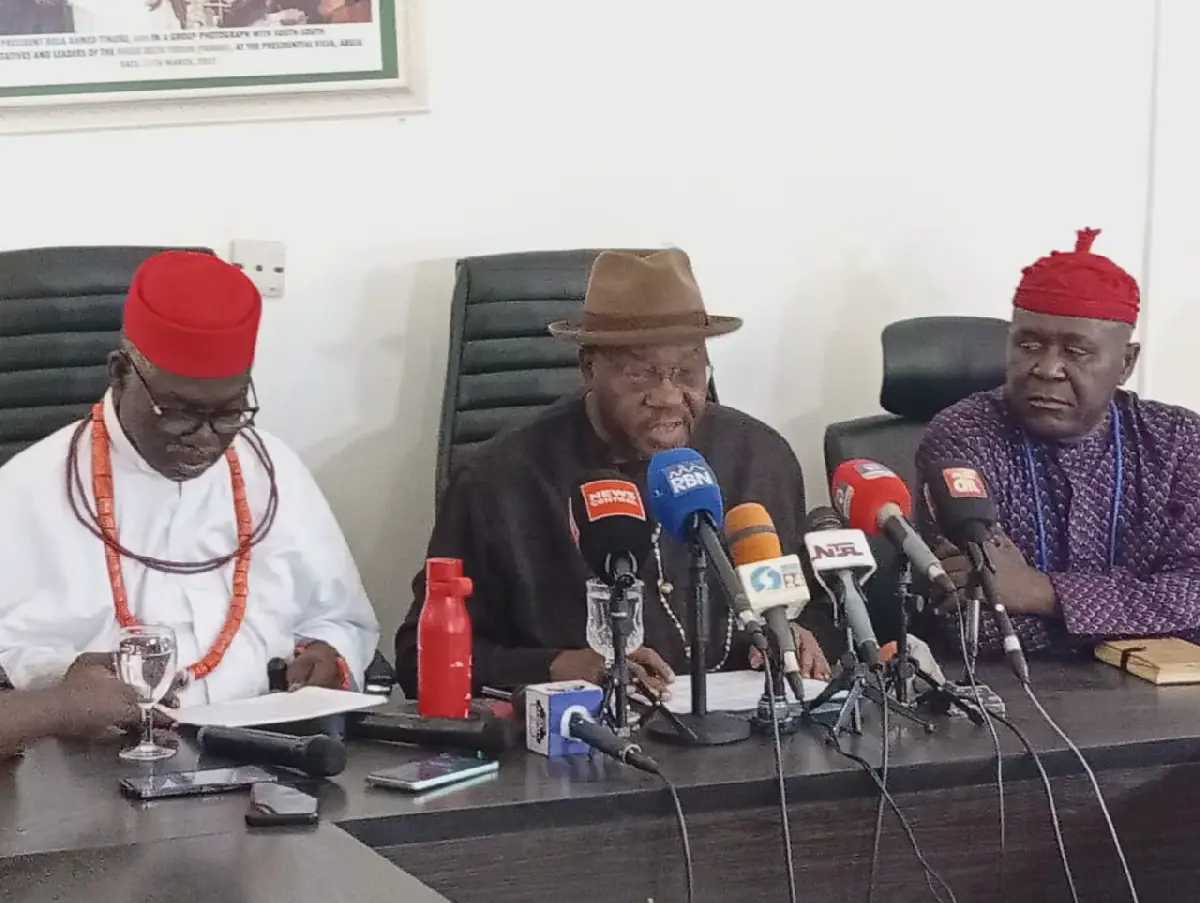
PANDEF's concerns were made known during a press briefing in Abuja, where Ambassador Igali highlighted the NCDMB's achievements in education, technical and vocational training, skills acquisition, enterprise development, and indigenous businesses across the Niger Delta. The region has borne the environmental and socioeconomic consequences of oil and gas exploration. Igali described the proposed funding arrangement as a dangerous institutional precedent that could weaken existing institutions with statutory responsibilities.
The proposed National Council on Research, Science, Technology and Innovation aims to accelerate Nigeria's technological advancement, strengthen indigenous research capacity, and promote innovation across sectors. While PANDEF welcomes the initiative, Ambassador Igali called on the National Assembly to reject the proposed deduction from the Nigerian Content Development Fund. Instead, he urged lawmakers to provide the council with an independent, predictable, and sustainable funding framework.
Dr Timiebi Koripamo-Agary, a member of PANDEF and former Permanent Secretary, Federal Ministry of Labour and Productivity, also questioned the need for another institution to oversee research, science, technology, and innovation. She suggested that existing agencies, such as the National Agency for Science and Engineering Infrastructure, NASENI, and the Projects Development Institute, PRODA, could be strengthened to deliver on the proposed council's objectives.
Dr Koripamo-Agary expressed concerns over poor budget implementation and the rollover of allocations across years. She urged the government to coordinate institutions, strengthen existing agencies, and deploy available resources more effectively. According to her, Nigeria has sufficient funds to pursue new initiatives without weakening existing institutions. She proposed exploring alternative revenue options, such as taxing telecommunications companies, instead of diverting funds from the Nigerian Content Development Fund.
PANDEF has communicated its concerns to the Senate President and Speaker of the House of Representatives, urging the National Assembly to reject the proposed deduction contained in Section 19 of the bill establishing the council. The forum believes that new agencies should not be financed by weakening existing institutions with statutory responsibilities. The outcome of this proposal will likely have significant implications for Nigeria's industrial development, research capacity, and innovation across sectors.
Key points
- PANDEF cautions against diverting 20% of Nigerian Content Development Fund
- Proposed funding arrangement could undermine indigenous industrial development and existing investments
- Existing agencies could be strengthened to deliver on proposed council's objectives