As Niger's government finalizes its 2027 budget, the country's economic equation has become a pressing concern. The budget aims to finance national security and sovereignty projects using state resources. However, the private sector has shown signs of slowing down, and economic operators warn that increasing tax pressure without economic stimulus could weaken the local productive sector. The government's ambition to finance security and sovereignty projects must be balanced with the reality of the economic situation on the ground.
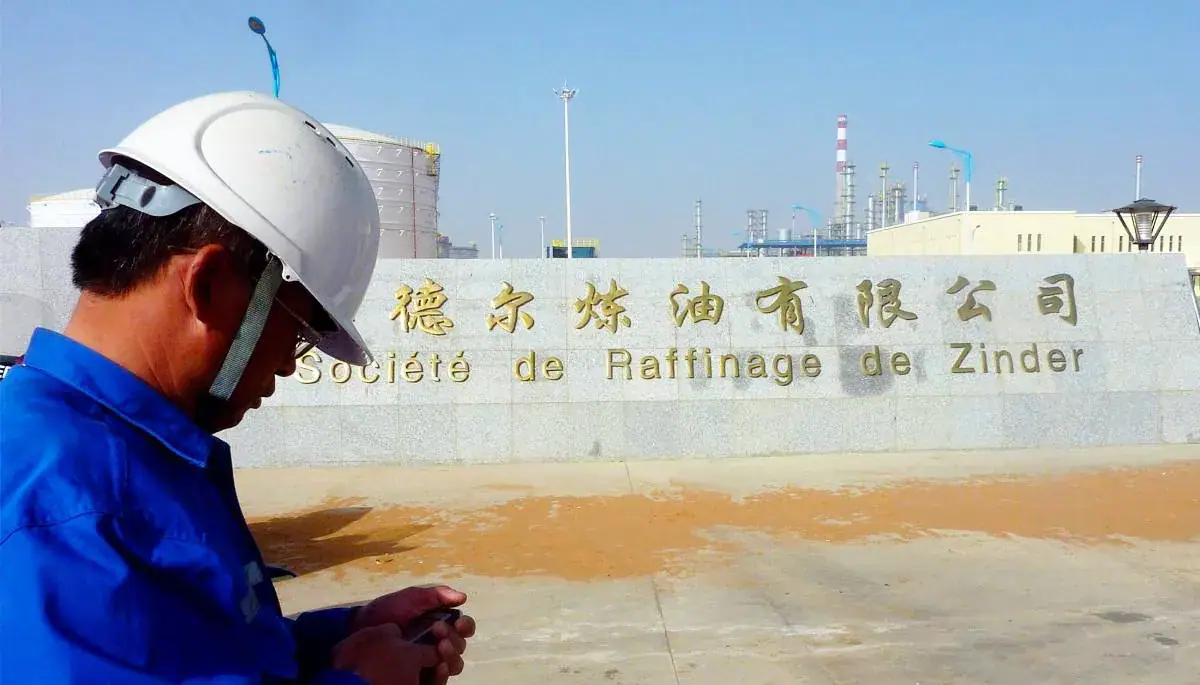
The CNPC deal has become a vital issue for Niger's treasury. On October 13, 2026, Niamey gave CNPC, along with its partners WAPCO and SORAZ, a 45-day deadline to honor their commitments, citing the non-repatriation of over 3,000 billion CFA francs from oil exports. As the deadline approaches, the effective return of these funds into the national banking system is crucial for public treasury and the real economy. This development is seen as an alternative to increasing tax charges in 2027 for households and businesses.
To gain public acceptance for the national effort, the press has set out several conditions. Firstly, the publication of real figures is necessary, as only transparent disclosure of amounts repatriated into the national banking system since October 13 will demonstrate CNPC's compliance with UEMOA exchange regulations. The daily L'Enquêteur emphasizes that declarations of firmness are not enough in public finances.
Another condition for public acceptance is reducing the state's extravagance. The same journal, L'Enquêteur, notes that the fiscal effort requested from taxpayers and the private sector will only be deemed legitimate if accompanied by exemplary budgetary discipline from the administration. This involves eliminating unproductive spending and ensuring strict transparency in budget execution.
The expectation of accountability is also emphasized by other publications. Le Nouveau Citoyen advocates for competence, integrity, and results to take precedence in appointments to responsibility positions. L'Actualité calls for collective responsibility and national cohesion around the country's priorities. These conditions are crucial for maintaining the social pact and ensuring Nigerians' trust in their government's financial management.
The coming days will be decisive for Niger's economic trajectory. Between the expected outcome of the CNPC ultimatum and the final adoption of the 2027 budget, citizens and economic actors will scrutinize the government's actions. In 2027, the solidity of the national consensus will depend on the state's ability to mobilize its oil and fiscal resources, as well as demonstrate rigorous and transparent management of public funds.
The Nigerdiaspora publication emphasizes that transparency is key to maintaining the social pact. The government's ability to demonstrate its commitment to transparency and accountability will be crucial in determining the success of its economic plans. With the 2027 budget and CNPC deal, Niger's government faces a critical test of its financial management and its ability to balance competing priorities.
Key points
- The Nigerien government must demonstrate transparency and accountability in its financial management to maintain the social pact and ensure public trust.
- The effective return of over 3,000 billion CFA francs from CNPC is crucial for Niger's treasury and the real economy.
- The government's 2027 budget aims to finance national security and sovereignty projects using state resources, but must be balanced with the reality of the economic situation on the ground.
Reporting sources
- Budget 2027 et CNPC au Niger : pourquoi la transparence financière est la clé du pacte social · Nigerdiaspora - Niger