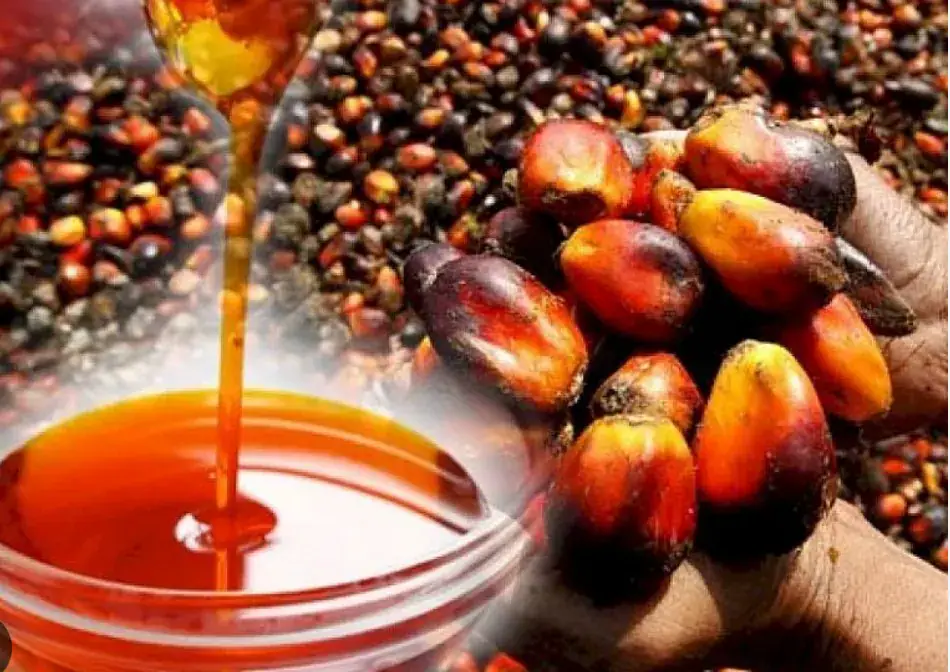
The Oil Palm Development Association of Ghana (OPDAG) has urged the government and security agencies to take action against smuggled palm oil entering the country. According to OPDAG, this practice is pushing local farmers and processors out of the market. The association's President, Paul Amaning, stated that smuggling is bleeding the local industry of revenue and customers. OPDAG's concerns were expressed during a working visit to Benson Oil Palm Plantation (BOPP), Norpalm Ghana Limited, and several smallholder oil palm processing firms in the Western Region.
Ghana loses approximately GH¢366 million every year in import duties due to palm oil smuggling. The smuggled products typically originate from Malaysia and Indonesia and are routed through Togo into Ghana without duties being paid. This allows them to be sold far cheaper than locally produced oil. Amaning explained that the low price of smuggled palm oil affects sales for local producers, making it challenging for them to compete in the market.
Local farmers are feeling the impact of the smuggled palm oil on their livelihoods. Samuel Arko, a farmer from Agona-Nkwanta in the Ahanta West Municipality, reported that processing firms are reluctant to buy from local growers because they cannot compete with the lower smuggled prices. Arko shared his experience of harvesting about seven tonnes of oil palm and not finding buyers. He appealed to the government to take action against smugglers to protect farmers' livelihoods and investments.
OPDAG is planning to introduce a Traceability and Revenue Assurance System in partnership with the Tree Crop Development Authority (TCDA). This system will involve assigning a QR code to every litre of palm oil to build consumer trust, prevent adulteration, and ensure products are properly taxed. The goal is to increase transparency and accountability in the industry.
The Acting General Manager of BOPP, Kwasi Baah Ofori, supported the call for stronger action against smuggled palm oil. He noted that the company has seen only a marginal decline in smuggled edible oil imports and wants the government to do more to protect jobs and keep the industry sustainable. Ofori's sentiments align with OPDAG's concerns about the impact of smuggling on the local industry.
The smuggling of palm oil into Ghana has significant economic implications. The country's economy is affected by the loss of revenue from import duties. Furthermore, the influx of cheap, smuggled palm oil undermines the competitiveness of locally produced oil. Amaning urged the government to find effective ways to block smuggled products at the ports so that Ghanaian oil palm businesses can earn proper returns on their investments and contribute meaningfully to the economy.
The issue of palm oil smuggling in Ghana requires a collaborative effort from the government, security agencies, and industry stakeholders. OPDAG's efforts to engage with the government and other stakeholders aim to address the challenges facing the local industry. The implementation of the Traceability and Revenue Assurance System is a step towards ensuring a fair and sustainable palm oil market in Ghana.
Key points
- Smuggled palm oil costs Ghana GH¢366 million annually in lost import duties.