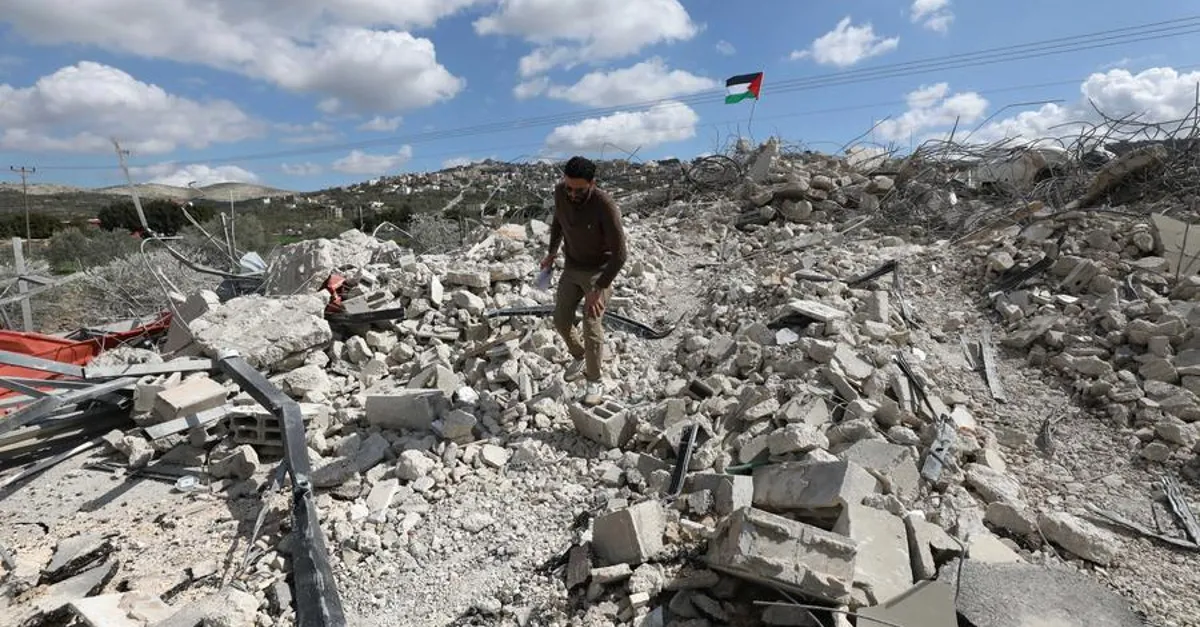
The humanitarian situation in Gaza has reached a catastrophic level due to the ongoing conflict and challenges in establishing a ceasefire. According to Palestinian Minister of Public Works and Housing Ahed Bseiso, nearly two million people are trapped in an area that accounts for only 30% of the sector's original size. This has led to overcrowding and a severe shortage of shelter, with many people living in damaged tents vulnerable to harsh weather conditions.
Minister Bseiso emphasized that the sector urgently needs to replace tens of thousands of tents before the upcoming winter. Approximately 75,000 tents are at risk due to weather conditions, with 40,000 of them located on the beach and exposed to the risk of direct flooding. He stressed that the ministry has been working on a comprehensive relief plan since the start of the conflict, which requires the entry of 200,000 prefabricated housing units.
However, the Israeli occupation authorities have prevented the entry of these units and banned the import of construction materials and heavy equipment necessary for road maintenance. The minister noted that his ministry is cooperating with UN institutions to find shelter for displaced persons. Recently, approval was given for the entry of 10,000 mobile RHU units made of reinforced fiberglass as part of the UN Development Programme, with around 4,000 units already having entered Gaza.
Minister Bseiso highlighted the need for immediate permission to import construction materials and heavy equipment to repair damaged buildings and replace worn-out tents. He also called for facilitating access to shelters, given the severe shortage of available space in the sector. The situation in Gaza continues to deteriorate, with many residents struggling to access basic necessities.
The conflict has had a devastating impact on Gaza's infrastructure, with many buildings and homes damaged or destroyed. The sector's residents have been facing significant challenges in accessing basic services such as healthcare, education, and sanitation. The humanitarian crisis in Gaza has been exacerbated by the ongoing blockade, which has severely restricted the movement of people and goods.
International efforts are underway to alleviate the humanitarian crisis in Gaza. The UN and other humanitarian organizations have been working to provide assistance to affected residents, including food, shelter, and medical care. However, these efforts are often hindered by restrictions on the movement of goods and people.
The Palestinian government has called on the international community to pressure Israel to lift the blockade and allow the entry of construction materials and equipment. The situation in Gaza remains dire, with many residents struggling to survive in the face of ongoing conflict and humanitarian challenges.
Key points
- The Israeli occupation authorities have prevented the entry of 200,000 prefabricated housing units and banned the import of construction materials and heavy equipment necessary for road maintenance.
- Approximately 75,000 tents in Gaza are at risk due to weather conditions, with 40,000 of them located on the beach and exposed to the risk of direct flooding.
- The UN has approved the entry of 10,000 mobile RHU units made of reinforced fiberglass as part of its development programme to provide shelter for displaced persons in Gaza.