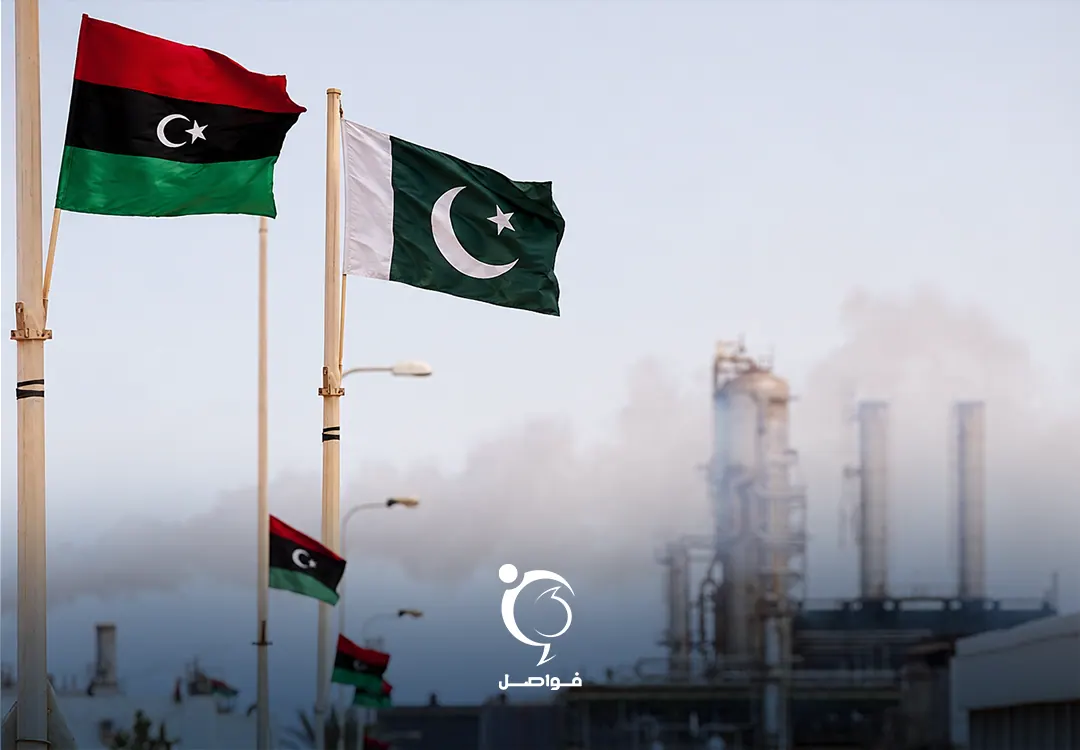
Pakistan is urging its local refineries to explore importing crude oil from Libya. This move is part of the country's efforts to diversify its energy sources and enhance its energy security. The decision comes as the global energy market faces disruptions, particularly in the Middle East. By expanding its oil suppliers, Pakistan aims to reduce its dependence on traditional sources.
The initiative to import Libyan oil is driven by the need to secure alternative supplies in case of disruptions to major sea routes. Key chokepoints such as the Strait of Hormuz and Bab-el-Mandeb are critical to global oil shipments. Any blockade or conflict in these areas could severely impact Pakistan's oil imports. Therefore, diversifying its crude oil sources is seen as a strategic move to ensure a stable energy supply.
Libya, on the other hand, is planning to develop its refining capabilities. The North African country is interested in leveraging Pakistan's experience in refining. This potential collaboration could benefit both nations. Libya could gain expertise in managing and upgrading its refining infrastructure, while Pakistan secures a new, reliable source of crude oil.
The global energy landscape has seen significant shifts due to geopolitical tensions and conflicts. The situation in the Middle East remains volatile, affecting oil production and supply chains. In this context, Pakistan's decision to engage with Libya for oil supplies is part of a broader strategy to mitigate risks associated with its energy imports.
The development was reported by the Pakistani website Business Recorder. According to the report, local refineries have been encouraged to consider Libyan crude as part of their sourcing strategies. This comes as Pakistan seeks to enhance its energy security and reduce vulnerabilities associated with supply disruptions.
The interest in Libyan oil is also influenced by economic factors. Despite potential higher costs associated with transporting oil from Libya, the overall expense could be competitive. Reports suggest that shipping Libyan oil might be 80% cheaper in terms of cost compared to alternative sources, making it an attractive option for Pakistan.
As Pakistan and Libya explore this new partnership in the energy sector, both countries stand to gain. Pakistan will enhance its energy security and diversify its oil imports, while Libya will benefit from Pakistan's refining expertise. This development highlights the dynamic nature of global energy markets, where nations are continually seeking new partnerships to address energy challenges.
Key points
- Pakistan encourages local refineries to import Libyan crude oil to boost energy security.
- The move aims to mitigate risks from disruptions in major sea routes like the Strait of Hormuz.
- Libya plans to develop its refining capabilities with potential help from Pakistan's expertise.