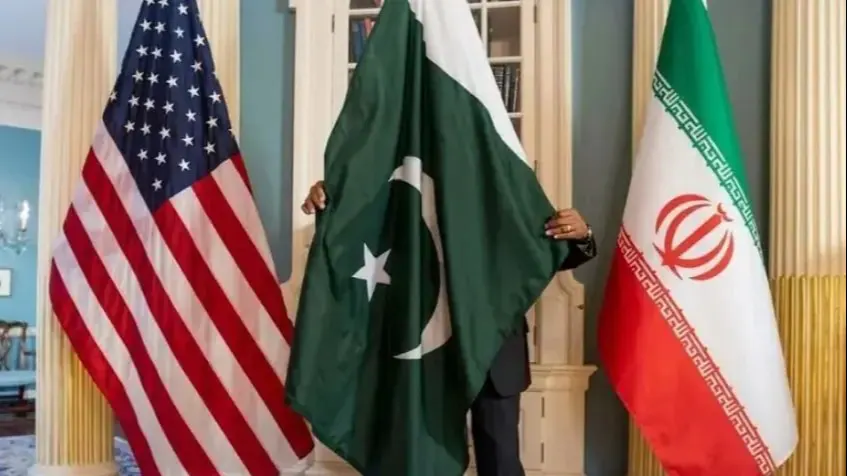
Pakistan's Prime Minister Shahbaz Sharif has reaffirmed his country's commitment to facilitating dialogue between Iran and the United States. During a meeting of the cabinet, Sharif highlighted Islamabad's ongoing efforts to promote peace in the region. He emphasized that Pakistan's relations with Iran have reached an unprecedented level, and his country will continue to nurture this relationship. Sharif's statement comes amid heightened tensions between Iran and the US.
Sharif's comments were accompanied by an update on the situation in the Strait of Hormuz and the Bab-el-Mandeb. He revealed that Pakistan's foreign and interior ministers are in constant communication with their Iranian counterparts. The Prime Minister also noted that Pakistan's army chief, General Asim Munir, is committed to playing an active role in achieving regional peace and stability. This multi-faceted approach aims to de-escalate tensions and foster cooperation.
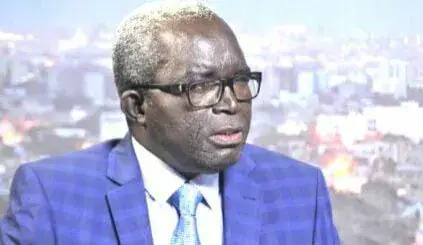
Iranian Assistant Foreign Minister Kazem Gharibabadi has expressed hope that the opposing parties will act rationally to prevent another confrontation between Iran and the US. He warned that if the "enemy" initiates another military action, Iran's response will differ from past incidents. Gharibabadi's statement underscores the complexities of the situation and the need for diplomatic solutions. His comments also reflect Iran's determination to defend its interests.
Pakistan's diplomatic efforts have previously yielded positive results. In June, Islamabad facilitated the signing of a preliminary memorandum of understanding between Iran and the US. However, the agreement encountered obstacles due to renewed tensions and military operations, particularly in the Strait of Hormuz. The region has become a focal point of contention between Tehran and Washington, hindering progress on the nuclear file.
The Strait of Hormuz has long been a critical waterway for global oil supplies, and its security has significant implications for the international community. The area has witnessed numerous incidents and escalations, contributing to regional instability. Pakistan's continued engagement with both Iran and the US aims to mitigate these tensions and promote a peaceful resolution.
Sharif's government has demonstrated its commitment to regional diplomacy and peacebuilding. By maintaining open channels of communication with both Iran and the US, Pakistan seeks to create an environment conducive to dialogue and cooperation. The country's efforts have been acknowledged by various stakeholders, who welcome Islamabad's role in promoting stability in the region.
The situation remains fluid, with multiple factors influencing the dynamics between Iran and the US. Pakistan's Prime Minister Shahbaz Sharif has reiterated his country's willingness to continue its honest efforts in mediating between the two nations. The international community watches closely, hoping that diplomatic initiatives will prevail over escalations and contribute to a more stable Middle East.
Key points
- Pakistan's Prime Minister Shahbaz Sharif affirms his country's commitment to mediating between Iran and the US.
- Iranian Assistant Foreign Minister Kazem Gharibabadi warns of a stronger Iranian response if the US initiates another military action.
- Pakistan's diplomatic efforts aim to promote peace and stability in the region, particularly in the Strait of Hormuz.