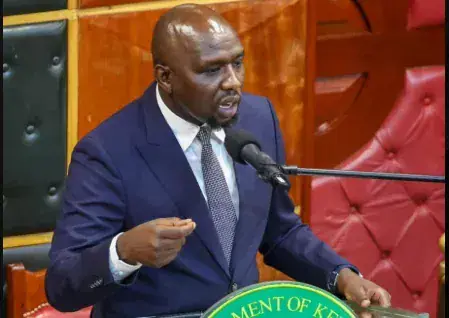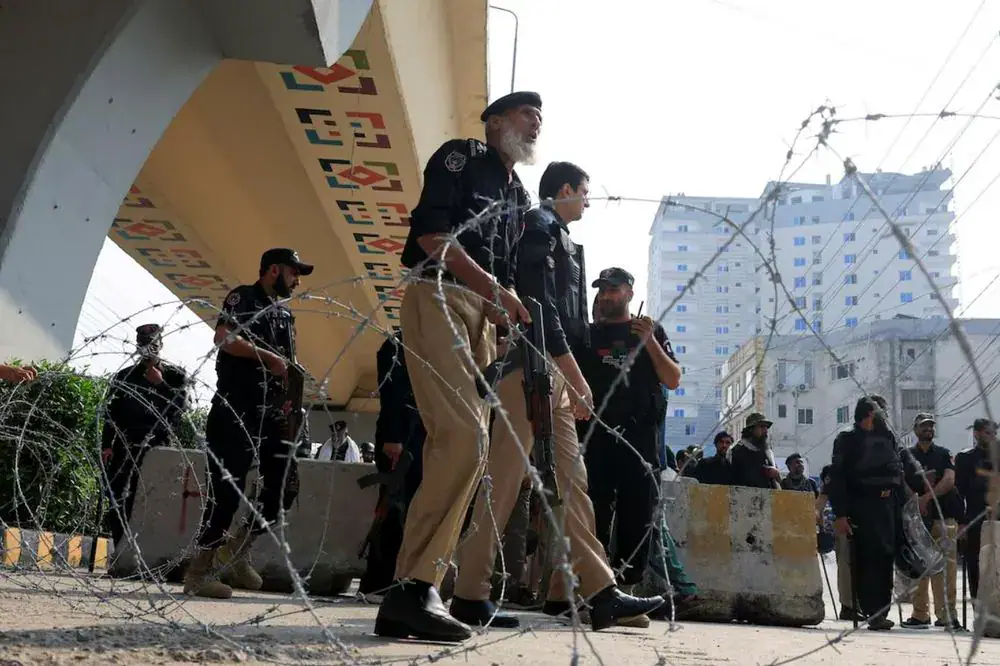
The suspension of Khyber Pakhtunkhwa's elected provincial government has raised questions about Pakistan's political direction and control over its mineral resources. On October 11, 2026, the federal government imposed emergency measures and governor's rule in the province, effectively removing the Pakistan Tehreek-e-Insaf (PTI)-led provincial administration from executive power. Chief Minister Sohail Afridi was detained, and an 11-member advisory council was appointed to assist Governor Faisal Karim Kundi in running the province.
The federal government has defended the decision on security grounds, citing the provincial government's alleged failure to cooperate in efforts to combat rising militant violence. However, opposition politicians and sections of civil society have expressed suspicion that the intervention could also open the door to greater federal control over the province's natural resources. Parliamentary Affairs Minister Tariq Fazal Chaudhry has dismissed allegations that the takeover is about mineral wealth, insisting that the decision was driven by security concerns.
The controversy has its roots in Pakistan's Eighteenth Constitutional Amendment, which strengthened provincial autonomy and transferred control over mineral resources to provincial governments. The emergency measures have significantly changed that balance, with executive authority passing to the governor and Parliament exercising legislative powers. Federal legislation also takes precedence over provincial law during the emergency. Although the federal government has said governor's rule is intended to last no more than six months, Parliament initially ratified the measures for two months.
Pakistan has presented itself as a potential major player in the global critical-minerals industry, with Planning Minister Ahsan Iqbal stating that the country's mineral wealth is worth over $7 trillion. However, there is a significant difference between estimated geological potential and commercially proven reserves. An assessment found that over 95% of the country's estimated mineral terrain remains underexplored, highlighting the lack of internationally certified reserve estimates.
Developing a competitive mining industry will require substantial investment in exploration, infrastructure, processing technology, and skilled labor. Chinese companies already have interests in four of Pakistan's six active critical-minerals projects. The Reko Diq copper and gold project, one of the country's most important mining developments, has faced delays amid security and regional-risk concerns. Pakistan's challenge is not simply securing access to its minerals but also demonstrating that it has the capacity to extract and process them commercially.
The involvement of Pakistan's military establishment in the country's economic activities has become a point of concern. A $500 million arrangement signed in September 2025 between US Strategic Metals and the Frontier Works Organization (FWO) was presented as part of efforts to develop the country's critical-minerals sector. However, questions remain about the commercial readiness of the proposed partnership, particularly given Pakistan's limited production and processing capacity in certain minerals.
The controversy surrounding Khyber Pakhtunkhwa's mineral resources has raised concerns about the military's growing economic footprint and the potential for greater federal control over the province's natural resources. The opposition to greater federal involvement in the province's mineral resources predates the emergency, and the current situation has only added to the concerns about the balance of power between the federal government and provincial authorities.
Key points
- The suspension of Khyber Pakhtunkhwa's elected provincial government has raised questions about Pakistan's political direction and control over its mineral resources.
- The federal government's emergency measures have significantly changed the balance of power between the federal government and provincial authorities.
- Pakistan's mineral ambitions are hindered by its limited production and processing capacity, as well as concerns about the involvement of the military establishment in the country's economic activities.