Pédostop, a non-governmental organization in Mauritius, recently hosted a conference on the importance of having a Child Safeguarding Policy in place. This policy aims to create a safer environment for children within institutions. The organization also conducted two training sessions, led by experts from the Centre for Human Rights at the University of Pretoria in South Africa. These sessions equipped NGOs and schools with the knowledge to develop their own policies.
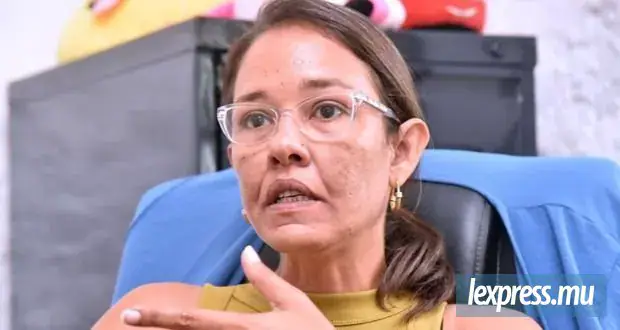
A Child Safeguarding Policy is an internal protocol that outlines the roles and responsibilities of individuals within an institution when a child reports experiencing violence. The policy provides a clear framework for handling such situations, including reporting incidents to the relevant authorities. According to Virginie Bissessur, director of Pédostop, each institution must adapt the protocol to its specific needs and circumstances.
The policy is not a one-size-fits-all solution, as different institutions have unique characteristics. For example, schools and scout groups require different approaches. However, all institutions must understand that mandatory reporting applies and is clear. Educational institutions have a responsibility to contact authorities immediately when a child reports being a victim of abuse.
Pédostop's training sessions focused on helping institutions develop their own Child Safeguarding Policies. The organization invited various stakeholders, including schools, NGOs, and corporate entities with kids' clubs. Authorities, such as the police and the Ministry of Gender Equality, were also invited to participate. A total of 35 people attended the training sessions.
The experts from the Centre for Human Rights were chosen for their expertise in children's rights in Africa. Mauritius has signed several international agreements, including the Maputo Protocol and the Universal Declaration of the Rights of the Child. However, the country has yet to implement many of the recommended measures.
Pédostop's activities culminated in a colloquium on November 20 to mark World Children's Day. During the event, the organization showcased a project developed in collaboration with the Director of Public Prosecutions and funded by the Australian High Commission. The project includes two videos and two magazines on child protection and related topics.
The project aims to raise awareness about child safeguarding and promote a culture of protection within institutions. By providing training and resources, Pédostop hopes to empower institutions to create a safer environment for children. The organization plans to continue its efforts to promote child safeguarding policies in Mauritius.
Key points
- Pédostop is promoting child safeguarding policies in Mauritian institutions to create a safer environment for children.
- The organization recently conducted training sessions for NGOs and schools on developing Child Safeguarding Policies.
- Authorities, including the police and Ministry of Gender Equality, were invited to participate in the training sessions.