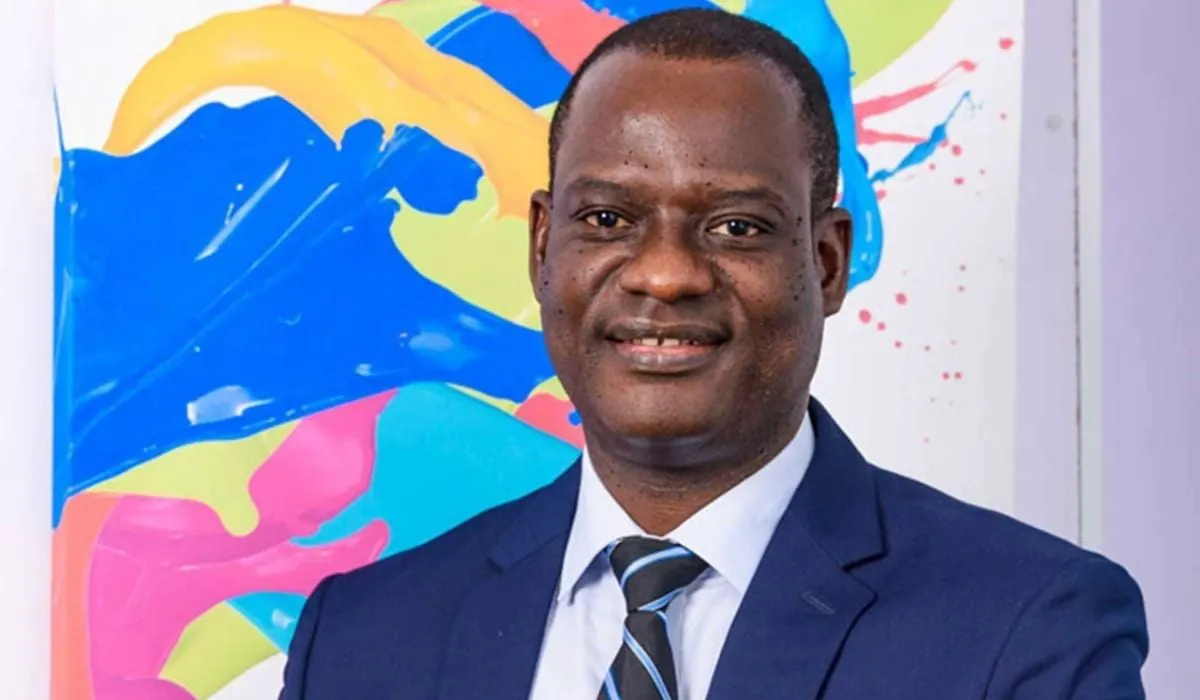
Nigeria's Minister of Finance and Coordinating Minister of the Economy, Taiwo Oyedele, has urged the international community to increase the availability of affordable capital to finance infrastructure and development projects across Africa. Oyedele made this call while addressing the United Nations Dialogue on Solutions to Climate Finance on the margins of the 81st Session of the United Nations General Assembly in New York. He emphasized that Africa's development ambitions, particularly its energy needs, are constrained by high financing costs, currency risks, and limited access to affordable long-term capital.
Oyedele noted that despite Africa's relatively low contribution to global carbon emissions, the continent faces a "prejudice premium" and "narrative cost" in its efforts to mobilize financing for critical infrastructure. He also identified currency risk and a "stereotype tax" as additional burdens confronting African countries as they seek to raise capital for critical energy and other development assets. According to Oyedele, these challenges hinder Africa's ability to achieve its development goals and require a strategic shift in the approach to climate finance.
The Minister called for simpler access to affordable capital for developing countries and financing arrangements that better reflect their development realities. Oyedele emphasized that greater investment in Africa's energy sector would help diversify global energy supply and reduce concentration risks, particularly amid disruptions affecting the Gulf region. He also stressed that Africa's energy transition must take account of the continent's significant energy-access deficit.
Oyedele urged the international community to scale up investment in gas and other transition energy sources, particularly in Africa, to expand access to reliable and affordable energy and help address global energy poverty. He noted that achieving this objective would require stronger international cooperation and a financing framework that enables developing countries to mobilize the capital required to invest in infrastructure and improve the lives of their people.
For Nigeria, Oyedele said the immediate priority was to structure and implement policies and programmes that would reduce poverty, expand economic opportunities, and accelerate the distribution of shared prosperity. He emphasized that this would require a coordinated effort from the government, the private sector, and international partners to address the country's development challenges.
Oyedele's call for affordable capital for African infrastructure comes as the continent faces significant development challenges, including a large infrastructure deficit and limited access to financing. The Minister's remarks are seen as a significant contribution to the ongoing global conversation on climate finance and sustainable development.
The Nigerian government has been working to address the country's development challenges, including poverty, unemployment, and infrastructure deficits. Oyedele's call for international cooperation and increased investment in Africa's energy sector is seen as a key step towards achieving these objectives and promoting sustainable development across the continent.
Key points
- Oyedele urges international community to provide affordable capital for African infrastructure projects.
- Africa's development ambitions constrained by high financing costs, currency risks, and limited access to affordable long-term capital.
- Increased investment in Africa's energy sector can help diversify global energy supply and reduce concentration risks.